




Wooden Jardiniere Holder
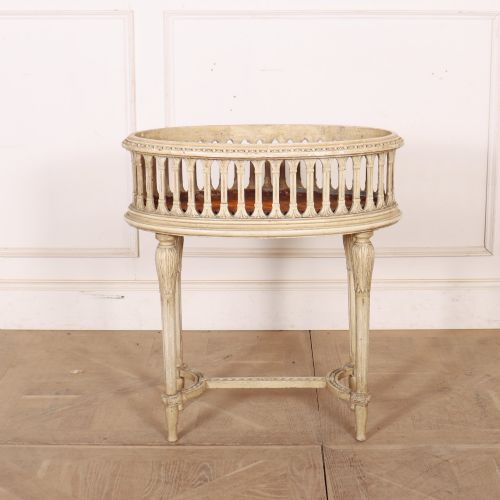
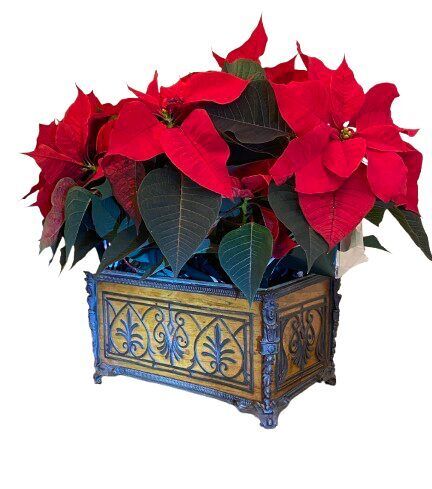
These wooden jardiniere holder examples range from Georgian wine coolers to Edwardian plant stands designed to display potted plants inside the home.
Wooden Jardiniere Holder
A wooden jardiniere holder is a decorative plant stand or planter designed to house indoor greenery, drawing upon forms from the Georgian period through to the Edwardian era. These pieces function as elevated vessels to protect interior surfaces while showcasing botanical displays.
The selections available here lean heavily towards mahogany plant stands and oak planters, alongside French walnut and kingwood pieces. Buyers will frequently encounter Edwardian and nineteenth-century examples alongside earlier Georgian forms adapted for botanical use.
Makers produced these stands in various configurations, including tall plant columns, low coopered barrels, and ornate French mounts. Each variation serves the dual purpose of botanical support and interior decoration.
Materials and construction methods
Cabinet makers utilised solid and veneered timbers such as mahogany, oak, burr walnut, and olive wood. These woods provided the structural integrity required to support heavy damp soil and terracotta pots.
Metalwork played a critical functional and decorative role, featuring brass bands, ormolu mounts, and bronze attachments. Coopered construction techniques, typical of wine coolers and barrel planters, utilised wooden staves bound by metal hoops.
Surface ornamentation included marquetry inlay, painted details, and barley twist turnings. These techniques reflect the stylistic influences of Louis XV and Louis XVI designs alongside English country cabinet making.
Wooden Jardiniere Holder Retail Price Guide 2026
Typical asking prices for wooden jardiniere holder among the pieces listed under this phrase on Sellingantiques today, from the lower quarter to the upper quarter. They describe what is for sale here now, not the wider market.
French design influences appear frequently across the inventory, showcased through Louis XV style mounts and exotic wood veneers.
Factors determining quality
The choice of primary timber and veneer quality separates standard production items from finer decorative pieces. Figured woods like burr walnut and master-carved mahogany represent the higher end of the scale.
Hardware execution dictates overall merit, particularly the weight and crispness of brass or ormolu mounts. Hand-chased mounts and tight coopered staves demonstrate superior workshop standards compared to mass-produced alternatives.
Structural integrity under moisture exposure determines longevity, as inferior joints warp over time. Well-executed linings and sound framing preserve the piece against the damp conditions associated with plant display.
The Wooden Jardiniere Holder Glossary
- Coopered
- Constructed using narrow wooden staves joined vertically and bound by metal hoops, similar to barrel making.
- Ormolu
- Gilt bronze ornamentation applied to furniture, popular in French stylistic periods such as Louis XV.
- Jardiniere
- A decorative receptacle or stand designed to hold flowers or growing plants indoors.
- Barley Twist
- A turning technique producing a rope-like spiral column on table legs and plant stands.
- Marquetry
- Decorative veneer patterns assembled from various woods and applied to furniture surfaces.
Wooden Jardiniere Holder: Frequently Asked Questions
What is a wooden jardiniere holder?
A wooden jardiniere holder is a decorative stand or vessel designed to display indoor plants and flowers.
These pieces elevate greenery to eye level while protecting interior floors and furniture from moisture.
How were coopered planters made?
Coopered planters were constructed using curved wooden staves fitted tightly together around a central base.
Metal bands or brass hoops were then fitted around the staves to hold the structure securely in place.
Can wine coolers be used as planters?
Georgian wine coolers were frequently lined with metal and are often repurposed as jardiniere stands today.
Their deep proportions and watertight construction make them suitable vessels for large potted plants.
How do I identify an Edwardian plant stand?
Edwardian plant stands often feature light mahogany construction, slender legs, and subtle inlay work.
They reflect the domestic trends of the early twentieth century focusing on indoor greenery and decorative display.