






Wooden Instrument Case
A wooden instrument case protects and houses delicate scientific, medical, and musical equipment across Victorian, Georgian, and Edwardian periods.
Wooden Instrument Case
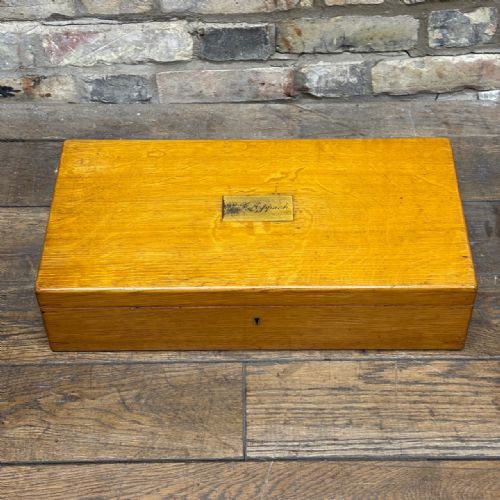
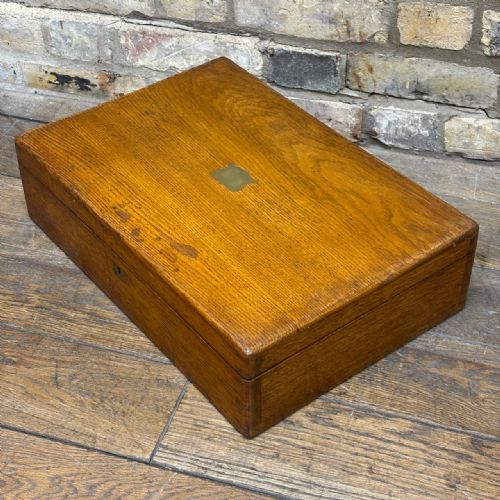
A wooden instrument case is a protective enclosure built to house scientific equipment, medical apparatus, and musical items. When searching for a wooden instrument case, buyers encounter objects designed for specific professional and domestic pursuits.
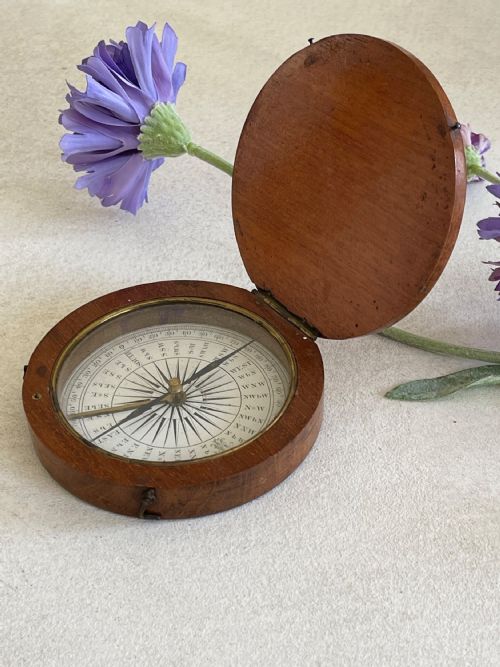
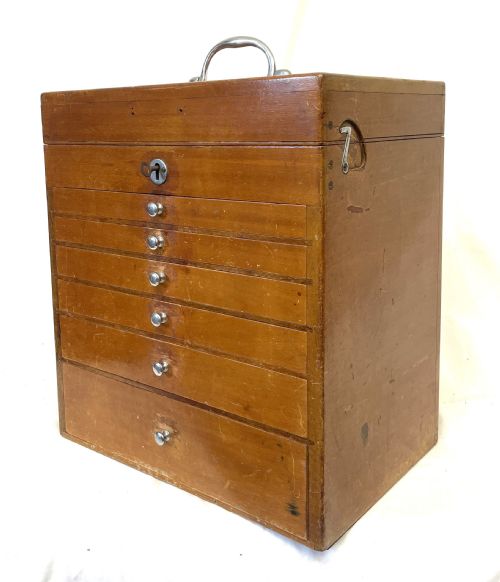
The selections span distinct historical eras including Georgian, Victorian, and Edwardian periods. Common configurations range from microscope boxes and violin holders to compass housings and technical drawing sets.
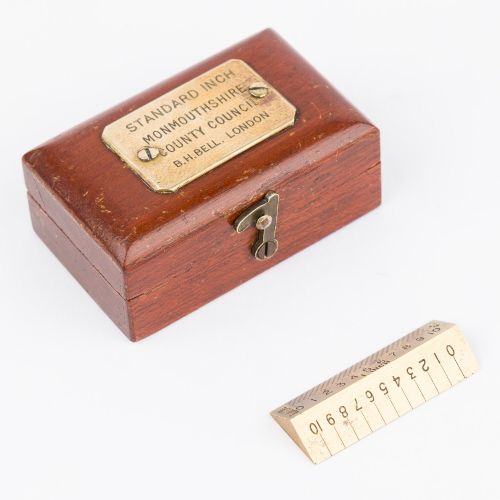
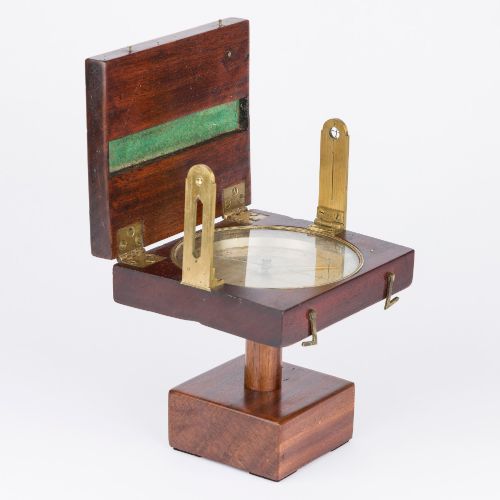
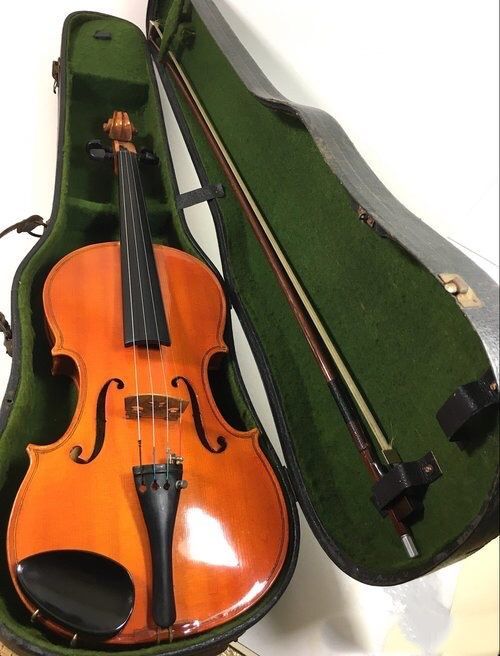
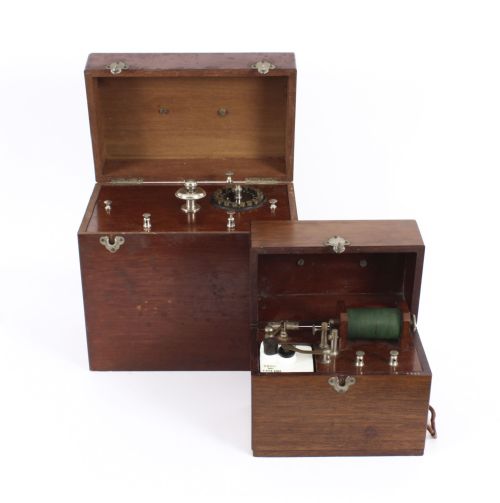
Objects include domestic musical items like violin and cello receptacles alongside specialised scientific items such as surveyors compasses, barometers, and medical carrying chests. Each form reflects the specific utilitarian needs of its original maker and owner.
How they were made
Construction utilises durable timbers including mahogany, oak, spruce, maple, and ebony, providing structural stability for sensitive contents. Wood selection matches the intended weight and prestige of the housed apparatus.
Internal organisation frequently incorporates velvet linings, fitted brass hardware, and specialised compartments tailored to hold individual tools securely. External surfaces often display classical joinery and geometric designs suitable for transport or tabletop display.
Wooden Instrument Case Retail Price Guide 2026
Typical asking prices for wooden instrument case among the pieces listed under this phrase on Sellingantiques today, from the lower quarter to the upper quarter. They describe what is for sale here now, not the wider market.
The documented periods span from the Georgian era through Victorian and Edwardian times up to mid-century examples.
What varies in quality
Quality differentiates by the precision of internal fitting, the grade of timber utilised, and the refinement of brass hardware. Superior examples display meticulous joinery and specialised velvet linings tailored precisely to the contained object.
Makers mark their output through signed brass plates or inscriptions, distinguishing standard utility boxes from commissioned scientific and musical receptacles. The complexity of the internal equipment and the integrity of the timber housing define the standing of each piece.
G. Davis of Leeds·Holtzapffel and Co·W.E Hill·Stanley London·Cox of Plymouth Dock·Jules Richard·Swift and Son·Chadburn Brothers of Sheffield
The Wooden Instrument Case Glossary
- Mahogany
- A durable hardwood commonly utilised for exterior boxes and carrying chests. It provides strength and a polished finish.
- Velvet
- A soft textile lining applied to the interior compartments of instrument housings. It cushions delicate items against impact during transport.
- Brass
- A metal alloy used for hinges, latches, and internal instrument mountings. It offers corrosion resistance and structural reinforcement.
- Cremonese School
- A historical tradition of stringed instrument and case craftsmanship. It is associated with classical violin making.
- Scientific Instrument
- A specialised device used for measurement, navigation, or medical analysis. These objects require custom wooden enclosures for protection.
Wooden Instrument Case: Frequently Asked Questions
What fits inside a wooden instrument case?
These enclosures typically house scientific apparatus, surveying equipment, medical chests, and stringed musical items such as violins and cellos. Each container is shaped to hold a specific tool.
Buyers find compartments tailored for compasses, barometers, microscopes, and technical drawing sets. The interior fittings directly reflect the precise function of the original contents.
How do I date a wooden instrument case?
Dating relies on stylistic markers, timber types, and inscribed maker signatures found on the fitted equipment or brass plates. Georgian, Victorian, and Edwardian periods exhibit distinct joinery and hardware designs.
Examining the manufacturing style of any enclosed instrument provides a reliable chronological anchor. Specific cabinet forms also correspond to the industrial and scientific fashions of their decade.
Are these cases waterproof?
Original construction prioritizes secure transport and physical protection rather than modern waterproofing standards. Fitted wooden walls and locking latches guard against dust and impact.
Travelling and field models from the Georgian and Victorian eras use dense hardwoods and tight joinery to withstand outdoor environments. However, linings like velvet remain sensitive to moisture.
How should I clean a wooden instrument case?
Maintenance involves gentle dusting of exterior timber surfaces with a dry cloth to preserve the polished finish. Avoid harsh chemical cleaners that might damage antique polishes.
Interior velvet and brass components require careful dry brushing to remove debris without disturbing original adhesives or fabric. Maintaining stable indoor humidity prevents wood warping.