





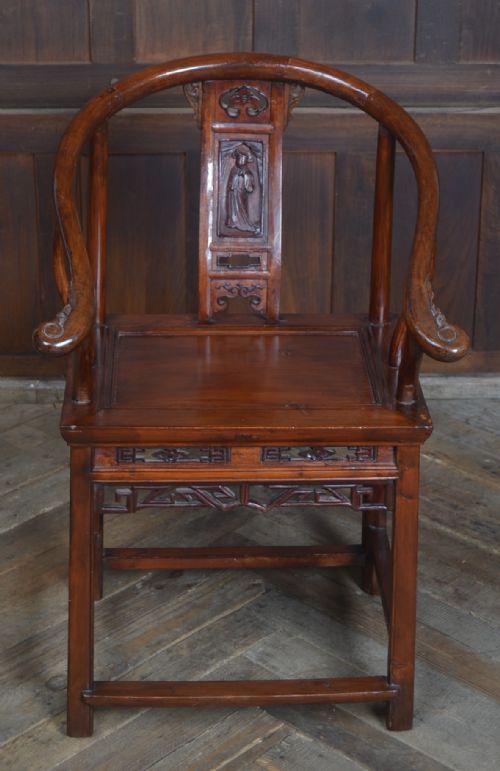


Wooden Horseshoe Chair
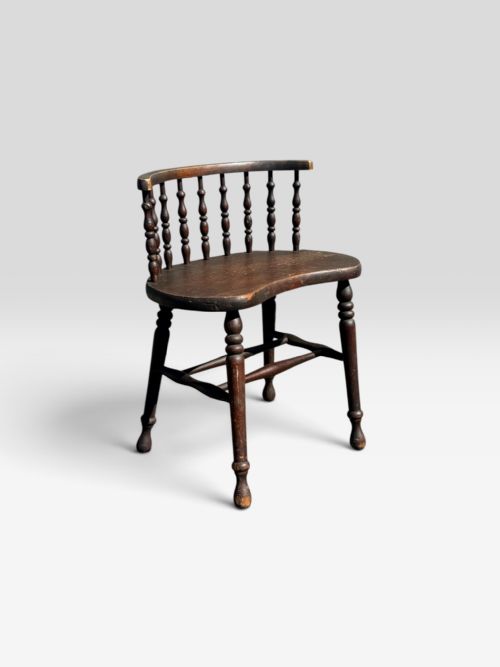
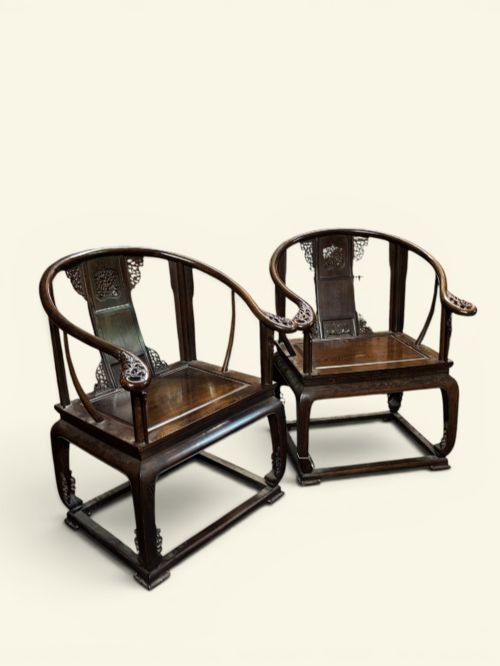
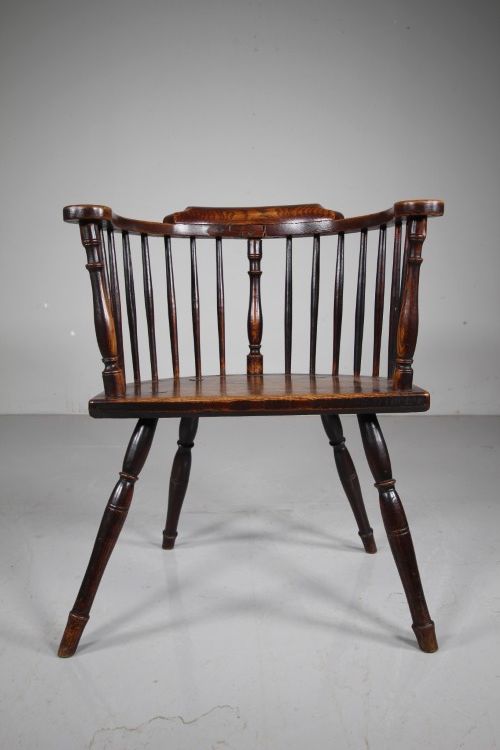
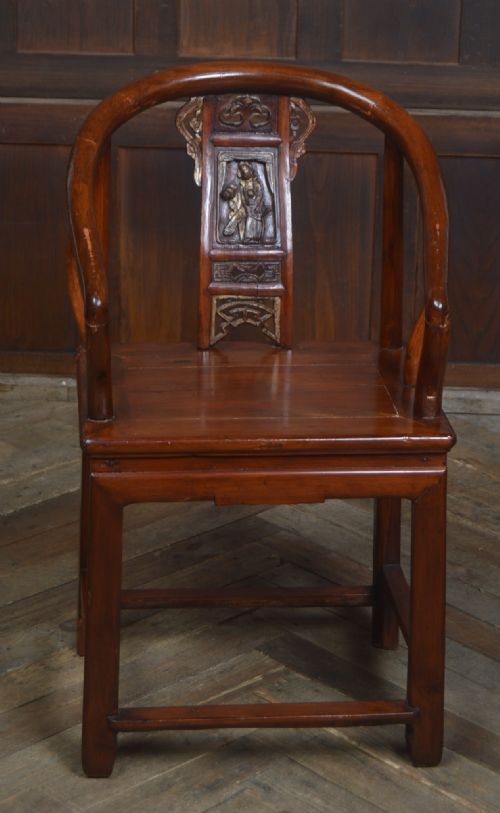
These wooden horseshoe chair examples combine sweeping curved armrests with sturdy seating, offering a distinctive blend of Oriental craftsmanship and English country design that collectors prize.
Wooden Horseshoe Chair
The versions most commonly met on this page span several distinct periods, including 18th-century country pieces, Victorian desk chairs, and early 20th-century Oriental imports. These seating options serve wonderfully as accent chairs, desk chairs, or statement armchairs within a room.
Origins vary significantly, with Chinese Ming and Qing style items sitting alongside English Georgian and Victorian country examples. This interplay of cultures gives the wooden horseshoe chair category a remarkably varied visual vocabulary.
Materials and Construction
Makers rely heavily on timbers such as elm, walnut, oak, beech, and dark hardwood to achieve the signature curved components. Elm and pickled elm provide the flexible strength needed for steam-bending or joinery of the continuous backrail.
Surface treatments add further distinction, with lacquer, paint, and natural wood finishes protecting the frame. Certain pieces also incorporate brass inlay or upholstered fabric sections to enhance comfort and visual appeal.
Wooden Horseshoe Chair Retail Price Guide 2026
Typical asking prices for wooden horseshoe chair among the pieces listed under this phrase on Sellingantiques today, from the lower quarter to the upper quarter. They describe what is for sale here now, not the wider market.
Several chairs feature wishbone back elements, proving that even furniture can have a lucky break.
Evaluating Quality
Quality separates through the integrity of the joinery where the sweeping back rail meets the seat and legs. Superior examples maintain tight, flush joints without excessive modern reinforcement, preserving the structural rhythm intended by the maker.
The refinement of the carving and the selection of timber grain dictate the upper tier of the range. Finer specimens display carefully figured elm or dense dark hardwood with crisp detailing, whereas simpler country variants prioritize sturdy utility over ornamental flourish.
The Wooden Horseshoe Chair Glossary
- Horseshoe-back
- A distinctive chair back formed from a single continuous curved rail that sweeps down to function as armrests. This ergonomic form offers comfortable arm support from multiple sitting angles.
- Elm
- A tough, interlocking timber frequently utilised for traditional country seating and curved components. It resists splitting under the stress of steam-bending.
- Qing Dynasty
- A historical Chinese imperial period spanning several centuries, influencing the decorative arts and furniture styles seen in later revival pieces. Items from this era or in this style often feature restrained, elegant lines.
- Lacquer
- A durable resin finish applied in multiple layers to wooden furniture surfaces. It provides a smooth, protective coating that deepens in lustre over time.
- Desk armchair
- A seated piece designed specifically for use at a writing table, usually incorporating supportive armrests and a stable base. Many Victorian variants belong to this functional group.
Wooden Horseshoe Chair: Frequently Asked Questions
What is a wooden horseshoe chair?
A wooden horseshoe chair is a seating option defined by a circular or rounded backrest that curves outward to form integrated armrests. These pieces range from traditional Chinese hardwood designs to English country elm armchairs.
They function well as accent seating or desk chairs, bringing sculptural curves and historical character into modern interiors.
How do I date a wooden horseshoe chair?
Dating relies on examining the timber species, construction joinery, and decorative motifs present on the frame. Pieces from the eighteenth century often display hand-turned components and rich patina, while Victorian and Edwardian examples show different tooling marks.
Comparing the style against known period characteristics helps narrow down the decade of manufacture.
Where were these chairs made?
The inventory encompasses both English country workshops and traditional Chinese craft centres. English makers utilised native timbers like elm and oak, while Asian workshops worked with dense hardwoods and lacquer.
This geographic diversity means buyers can select between rustic British vernacular seating and formal Oriental aesthetic traditions.
Can I use one as a desk chair?
Certain variations, particularly Victorian walnut and oak models, were specifically designed for office or library use. Their sturdy frames and supportive armrests accommodate extended sitting periods.
Checking the seat height relative to your desk ensures comfortable daily usage.