




Wooden Highback Chairs
Wooden highback chairs bring robust timber presence and strong vertical lines to an interior, drawing the eye upwards.
Wooden Highback Chairs
Wooden highback chairs encompass seating pieces designed with elevated vertical backrests, emerging across various regional workshops and periods. When searching for wooden highback chairs, a buyer encounters diverse interpretations ranging from vernacular country seating to formal dining suites and revival styles.
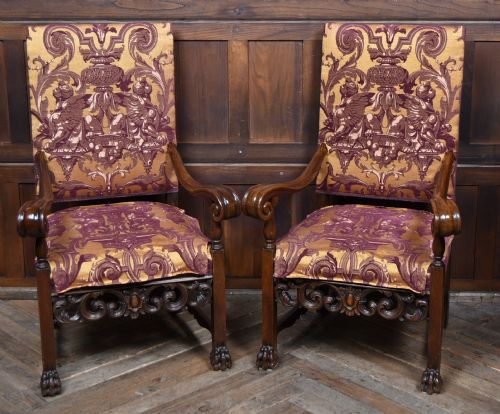
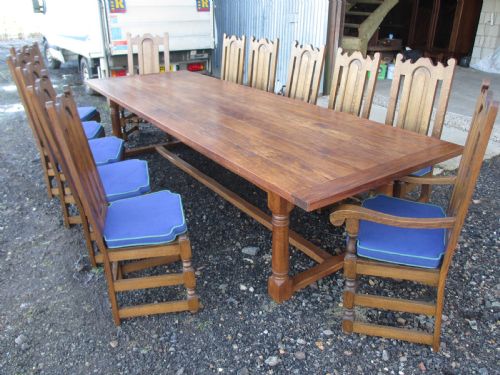
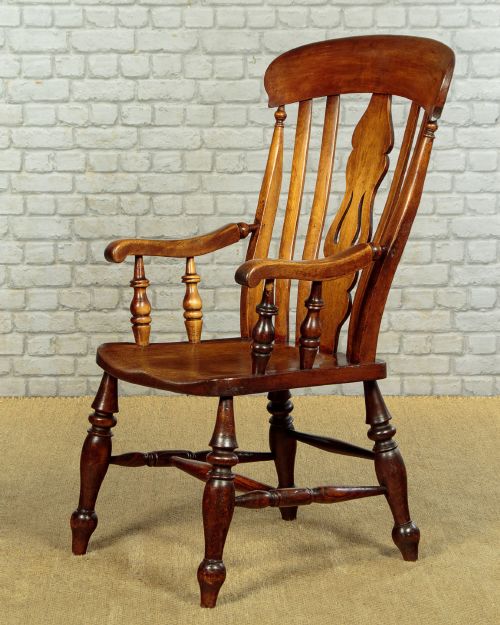
The selection includes robust oak kitchen armchairs, slender mahogany dining chairs, and characteristic yew wood Windsor forms. Makers utilised native timbers to construct pieces that served both functional domestic needs and decorative interior roles.
Examples span from nineteenth-century vernacular pieces to early twentieth-century Arts and Crafts designs. These varied forms reflect the enduring appeal of tall timber backs across different social and domestic settings.
Materials and construction methods
Construction relied heavily on native hardwoods such as oak, elm, yew, and beech, chosen for their structural integrity and grain pattern. Workshops employed traditional joinery techniques, combining mortise and tenon joints with turned spindles to build rigid, lasting frames.
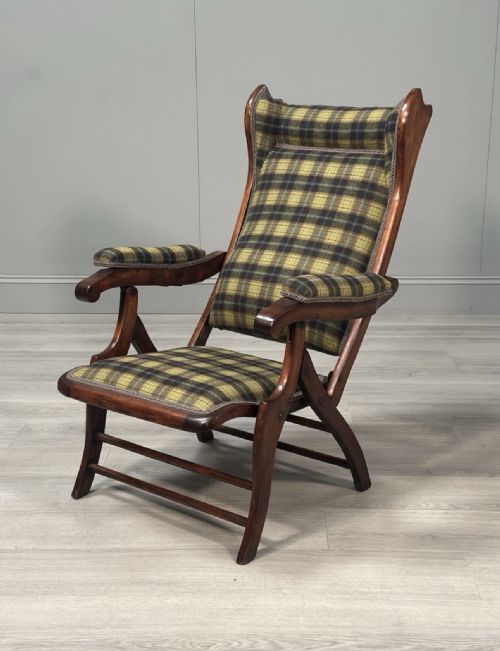
Seating areas frequently incorporated woven rush or solid timber boards shaped for comfort. Selected pieces introduced upholstery elements using fabric and wool, securing textiles over padded foundations within the rigid wooden framework.
Wooden Highback Chairs Retail Price Guide 2026
Typical asking prices for wooden highback chairs among the pieces listed under this phrase on Sellingantiques today, from the lower quarter to the upper quarter. They describe what is for sale here now, not the wider market.
Certain highback chairs were designed deliberately tall to keep the sitter's head safely away from cold floor-level drafts.
Distinctions in craftsmanship
Quality reveals itself in the selection of timber, where tightly figured grain and uniform coloration elevate a piece above standard utility furniture. The handling of structural joints determines longevity, distinguishing finely turned spindles and tight connections from simpler assembly.
Proportion and stylistic cohesion dictate the overall success of the design. Master workshops achieved balanced forms where the height of the backrest harmonises with the scale of the seat and legs, maintaining visual poise.
Liberty Morris And Co
The Wooden Highback Chairs Glossary
- Windsor chair
- A chair built with a solid wooden seat into which the back and legs are separately dowelled. This construction method produces a sturdy framework characteristic of vernacular seating.
- Rush seating
- A traditional method of weaving dried marsh grass around a wooden frame to form a durable seat. The natural texture contrasts with the polished timber of the chair structure.
- Turned spindle
- A cylindrical wooden element shaped on a lathe to create decorative profiles. These components provide structural support while adding rhythmic detail to the backrest.
- Mortise and tenon
- A joint formed by inserting a shaped projection into a corresponding cavity. This traditional method secures wooden frame components without relying on modern adhesives.
Wooden Highback Chairs: Frequently Asked Questions
How do I date a highback chair?
Dating relies on observing timber selection, joinery methods, and stylistic markers associated with specific eras like the Victorian period or the Arts and Crafts movement.
Examination of tool marks, turning styles, and secondary woods helps place a piece within its historical manufacturing context.
Where were highback chairs used?
Historically, these chairs served various domestic functions, from farmhouse kitchens to formal dining spaces and grand libraries. Their substantial backs offered protection from drafts in older stone or timber-framed buildings.
Over time, the form transitioned from a practical utility item into a decorative statement piece within sophisticated interiors.
How do I care for wooden highback chairs?
Maintenance involves keeping timber furniture away from direct heat sources and drastic humidity changes to prevent wood splitting. Regular dusting and occasional application of appropriate wax polish help preserve the surface finish.
Checking structural joints periodically ensures stability, particularly on chairs subjected to daily use.