


Wooden Glazed Display Cabinet
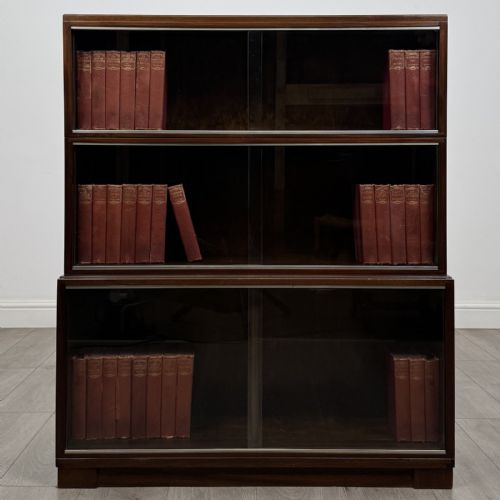
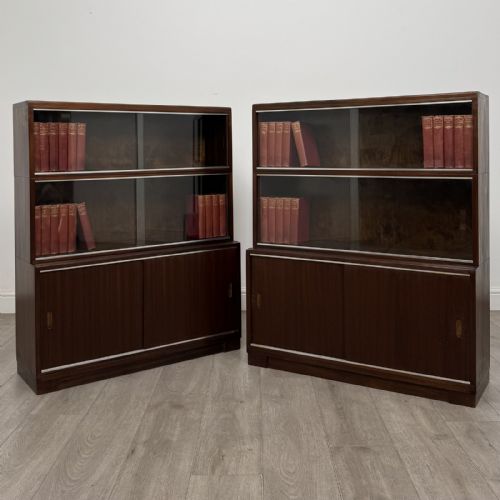
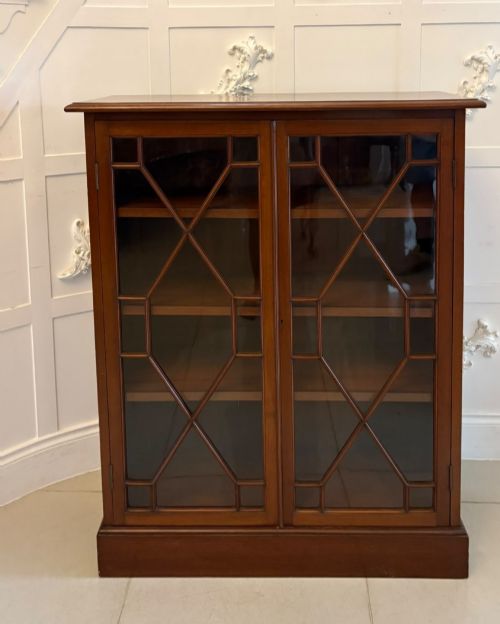
A wooden glazed display cabinet holds books and prized objects behind glass, bringing order and visibility to a room.
Wooden Glazed Display Cabinet
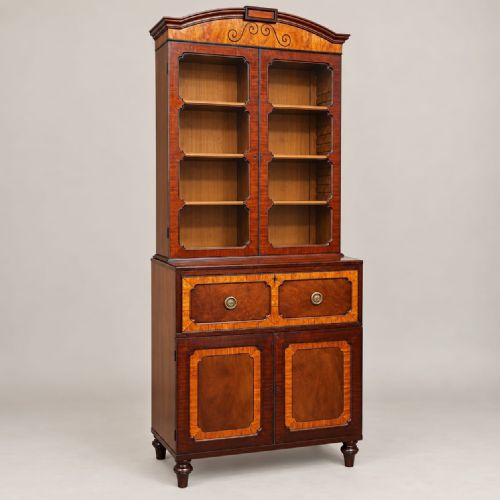
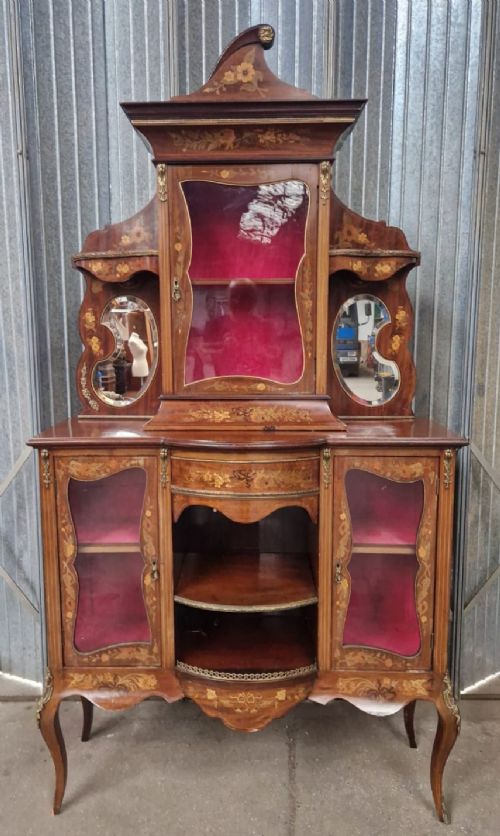
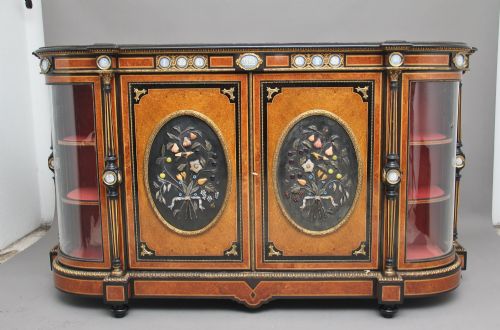
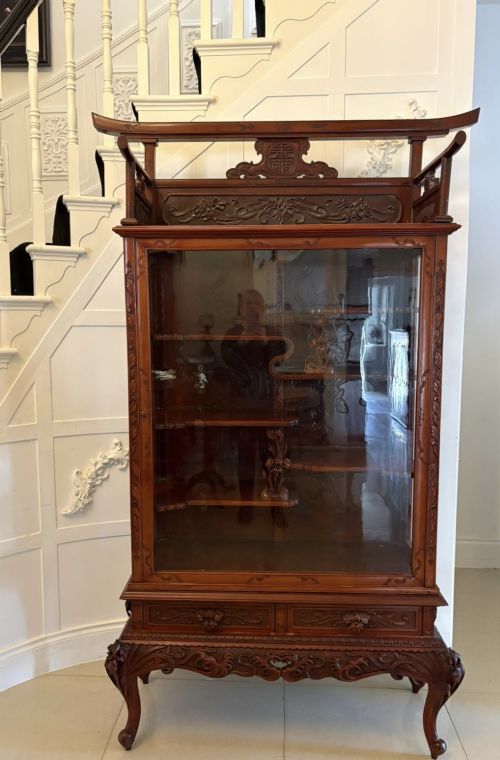
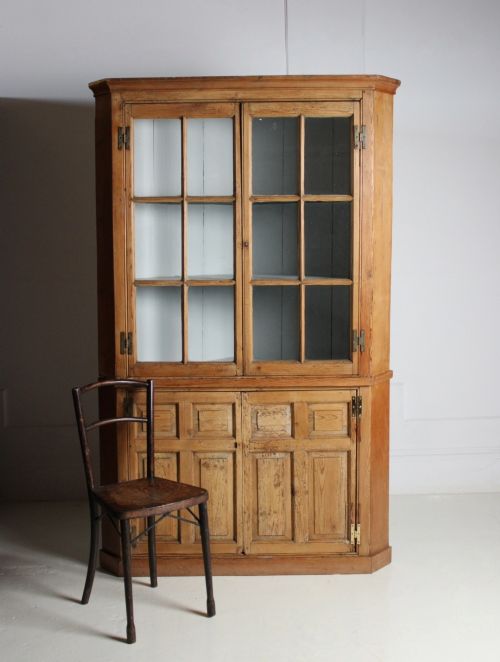
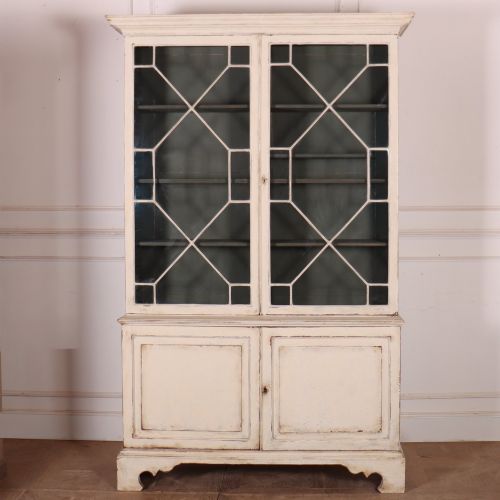
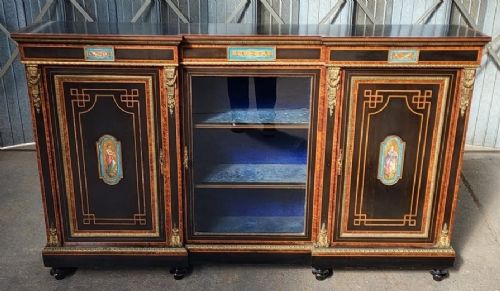
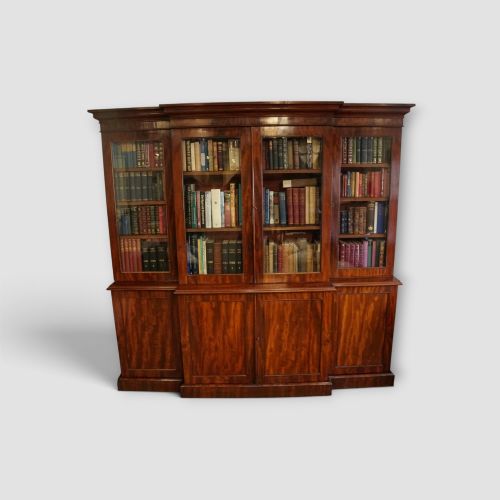
A wooden glazed display cabinet appears across several eras, with Victorian and Edwardian examples forming the largest share of choices on this page. Pieces range from tall breakfront bookcases and side cabinets to corner cupboards and table top cases.
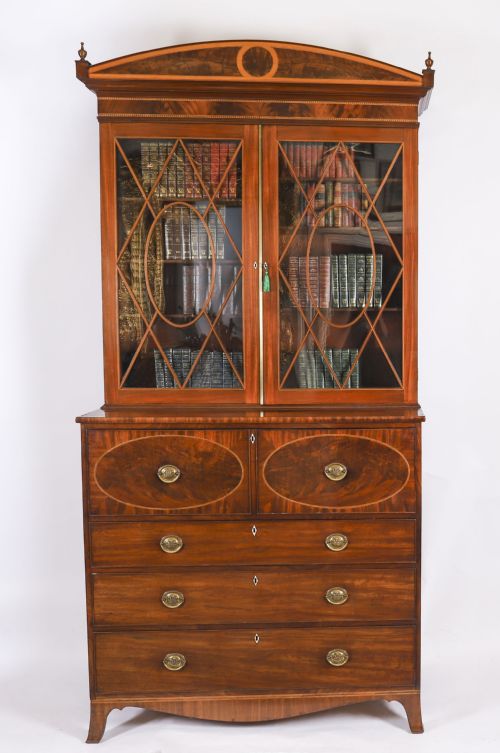
Makers utilised various formats such as double doors and secretaire fittings to suit domestic libraries and drawing rooms. English, French, and Dutch origins appear within the selection, alongside specific regional designs like English country oak.
The phrase wooden glazed display cabinet covers both dedicated vitrines meant for ornaments and hybrid bookcase pieces with glazed upper sections. Buyers encounter formal Georgian proportions as well as later Arts and Crafts interpretations.
Materials and Construction
Cabinet makers relied heavily on hardwoods such as mahogany and oak for structural integrity, often incorporating lighter timbers like satinwood and pine for panels or secondary woods. Brass hardware, ormolu mounts, and inlaid stringing provide decorative contrast to the timber surfaces.
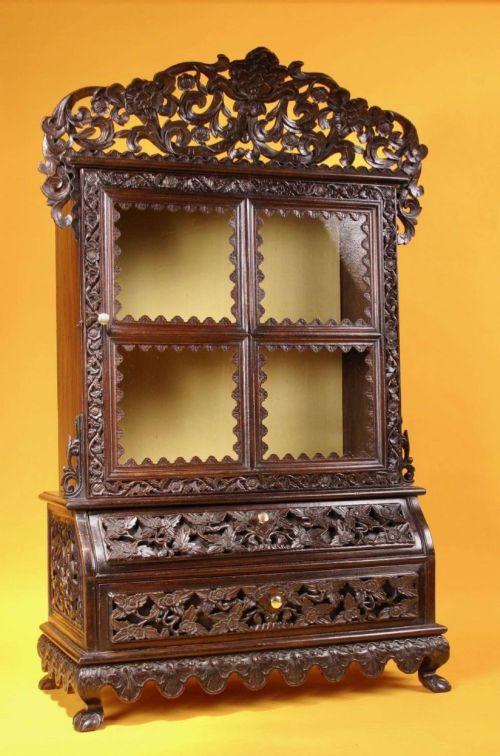
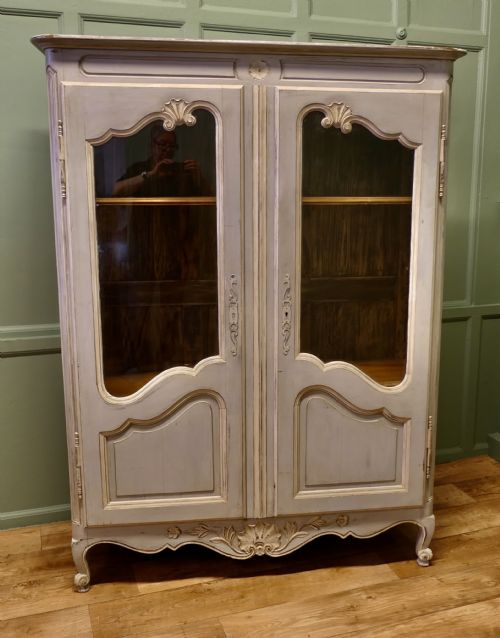
Glass panes are set into wooden frames or doors, allowing light to reach shelves while protecting the contents from dust. Carved details, painted finishes, and marquetry enrich the exterior woodwork across different stylistic periods.
Styles represented include Georgian, Victorian, Edwardian, Arts and Crafts, and Sheraton Revival.
Craftsmanship and Proportion
The standard of timber selection and joinery distinguishes finer examples from simpler utilitarian furniture. Closely matched grain patterns, precise inlay work, and well-fitted doors indicate higher workshop standards.
Proportion and decorative restraint dictate the visual weight of a cabinet, where refined cornices and balanced glazing bars elevate the piece. Original glass and intact interior fittings further separate superior specimens.
Maple and Co
The Wooden Glazed Display Cabinet Glossary
- Breakfront
- A cabinet design where the central section projects forward from the flanking sides. This layout adds architectural depth to large bookcases.
- Marquetry
- Decorative veneer work forming pictorial or geometric patterns using various coloured woods. Craftsmen cut precise shapes to fit flush into the surface.
- Ormolu
- Gilded bronze mounts applied to furniture for decorative effect. This technique is frequently found on French and high-status Victorian pieces.
- Secretaire
- A desk component featuring a fold-down writing flap concealing small drawers and pigeonholes. It integrates a bureau function into a tall bookcase.
- Vitrine
- A glass-sided display cabinet designed primarily for porcelain and curiosities. The term originates from the French word for glass.
Wooden Glazed Display Cabinet: Frequently Asked Questions
How do I clean the wood?
Dust regularly with a soft, dry cloth to prevent dirt accumulation on the polished surface. Avoid silicone-based sprays that can damage antique polishes over time.
Apply a traditional beeswax sparingly when the timber appears dry, buffing it gently to maintain a natural lustre. Keep cabinets away from direct sunlight and heat sources to prevent the wood from warping.
Are the shelves adjustable?
Many upright cabinets feature fixed wooden shelving systems built into the original carcase. Later pieces, particularly shop display variants, incorporate adjustable glass supports.
Check the interior uprights for rows of peg holes or rack strips to determine shelf flexibility. Fixed shelves usually indicate an earlier Georgian or Victorian construction date.
How do I protect stored items?
Ensure the room maintains a stable temperature and humidity level to protect both the cabinet wood and your collection. Sudden environmental shifts cause timber to expand and contract.
Position glass doors carefully to avoid slamming the frames against the hinges. Check that locks and catches engage properly to keep doors secure.
Can I place one on a table?
Table top display cases provide a compact option for smaller spaces or flat surfaces. These smaller vitrines sit securely on top of sideboards or desks.
Verify the weight and footprint of the case before placing it on delicate antique furniture. Ensure the supporting surface remains level to prevent stress on the glass panels.