





Wooden Frame Stool
A wooden frame stool brings tactile warmth and low seating to a room, ranging from simple footstools to grand window seats.
Wooden Frame Stool
A wooden frame stool is a practical addition to a traditional interior, offering flexible seating or a resting place for feet. When searching for a wooden frame stool, buyers encounter formats spanning the nineteenth century, the Regency era, and the Victorian period.
The selection on this page demonstrates varied forms, including footstools, window seats, benches, and step ladders. Examples appear in styles such as Victorian, Regency, Queen Anne, and the Aesthetic Movement.
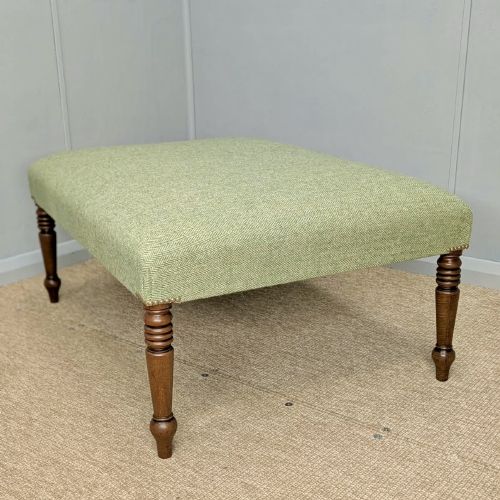
Mahogany and walnut form the backbone of these pieces, alongside ebonised wood, oak, and rosewood. Upholstery choices include herringbone Harris Tweed, Kilim, and wool textiles, while some pieces retain exposed wood or cane.
Materials and Construction
Makers utilised hardwoods like mahogany, walnut, rosewood, and oak to build robust frames that supported frequent use. Brass details occasionally appear as mounts or hardware, adding functional contrast to the dark timber.
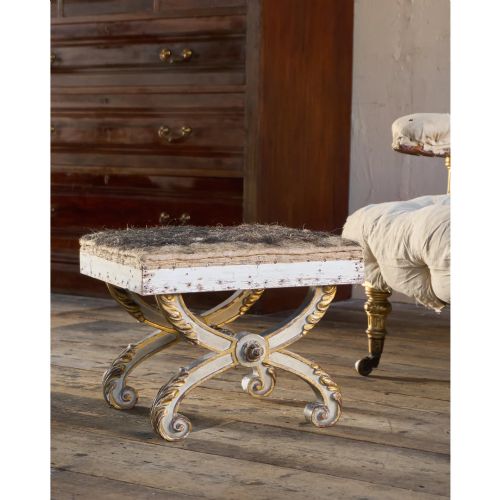
Carved frames, ebonised finishes, and gilt highlights show the decorative ambitions of nineteenth-century workshops. Upholstered tops rely on traditional stuffing and textile coverings, ranging from heavy wool to patterned fabric and newly applied Harris Tweed.
Wooden Frame Stool Retail Price Guide 2026
Typical asking prices for wooden frame stool among the pieces listed under this phrase on Sellingantiques today, from the lower quarter to the upper quarter. They describe what is for sale here now, not the wider market.
The listings show nineteenth-century pieces dominating the selection, featuring mahogany, walnut, and ebonised wood alongside textile and wool upholstery.
Distinctions in Quality
The standard of carving and timber selection separates standard seating from exceptional examples. Dense, well-figured woods like burr maple, rosewood, or finely grained mahogany indicate careful material choice by the maker.
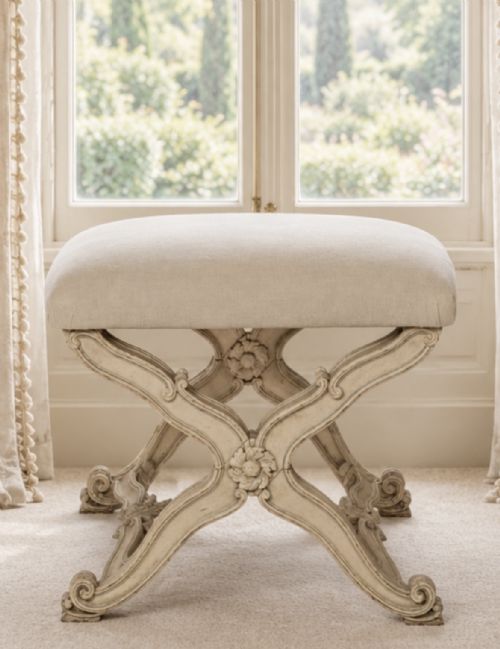
Rigidity in the frame construction and the fidelity of historical revival styles, whether Regency X-frames or Queen Anne cabriole influences, dictate the overall design success of the piece.
Miles and Edwards
The Wooden Frame Stool Glossary
- X-frame
- A structural form utilising intersecting legs shaped like the letter X, often seen in Regency and Victorian window seats. This design provides inherent stability and a classical silhouette.
- Ebonised wood
- Timber treated to resemble ebony through a dark staining or finishing process. This technique became popular during the nineteenth century, particularly within the Aesthetic Movement.
- Kilim
- A flat-woven textile originating from the Middle East or Eastern Europe, frequently utilised as durable upholstery for period footstools. It introduces geometric patterns and earthy tones to wooden frames.
- Bidet
- A historical sanitary form constructed as a wooden frame housing a ceramic basin. Nineteenth-century examples often double as enclosed stools with fitted lids.
- Aesthetic period
- A late nineteenth-century cultural movement emphasising visual beauty over narrative function. Pieces from this era often feature ebonised finishes and disciplined geometric carving.
Wooden Frame Stool: Frequently Asked Questions
How do I date a wooden frame stool?
Dating relies on identifying the primary timber, construction methods, and stylistic cues such as Regency curves or Victorian carving. Comparing the turning of the legs and the type of upholstery foundation helps narrow the period.
Documented makers or specific regional traits recorded in the listing provide further chronological markers. Examining the underside and joints reveals the age of the physical components.
Are these stools suitable for daily use?
Most wooden frame stools are structurally robust and designed for seating or supporting feet in domestic settings. Period pieces constructed from solid hardwoods handle regular weight comfortably.
Upholstered sections may require occasional maintenance or reupholstering depending on the age of the internal stuffing. Placing them away from direct heat sources preserves the timber and glue joints.
How should I clean a wooden frame stool?
Dust the wooden frame regularly with a dry, soft cloth to prevent particulate accumulation on the polish or ebonised surface. Avoid harsh chemical sprays that can strip historic finishes.
Upholstery care depends entirely on the fabric used, requiring gentle vacuuming for wool or tweed and professional cleaning for delicate textiles. Keeping timber away from extreme humidity prevents the wood from warping.