







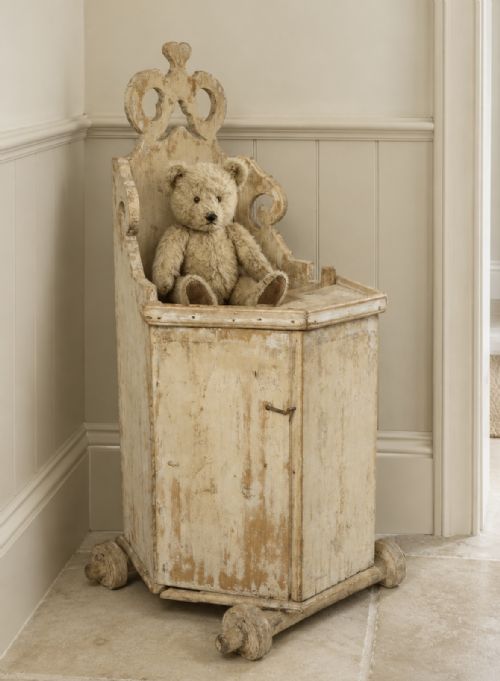

Wooden Folk Chair
A wooden folk chair brings immediate rustic character to a room, shaped by regional traditions and domestic use rather than formal design.
Wooden Folk Chair
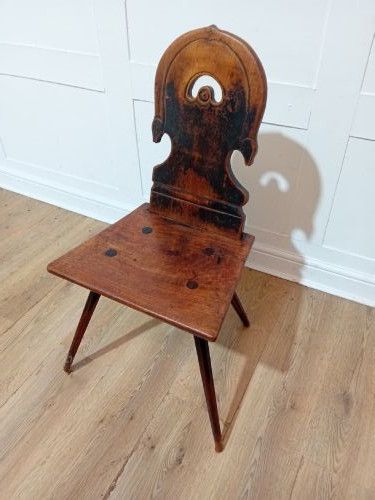
The periods represented span from the Georgian era through the Victorian period and into the early twentieth century. Examples draw from Scandinavian, Welsh, Bavarian, Swiss Alpine, and Hungarian traditions, showing how makers adapted basic forms to local materials.
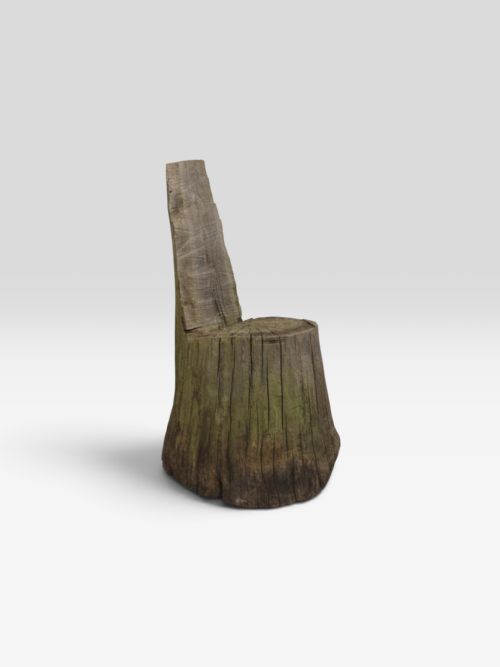
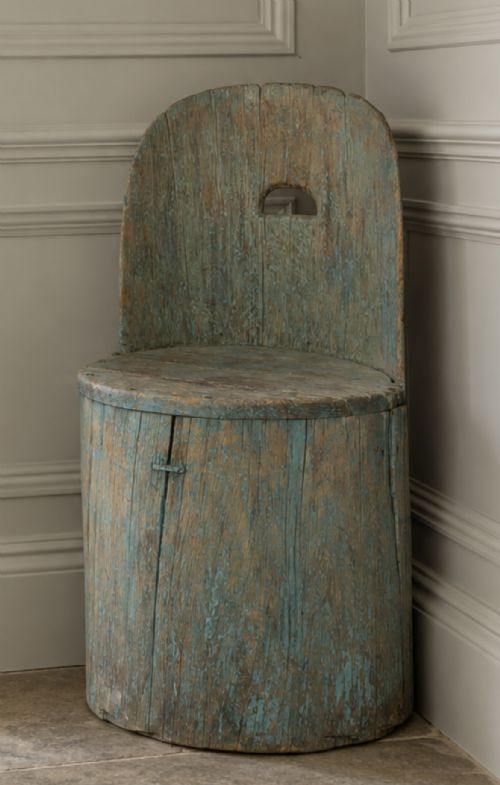
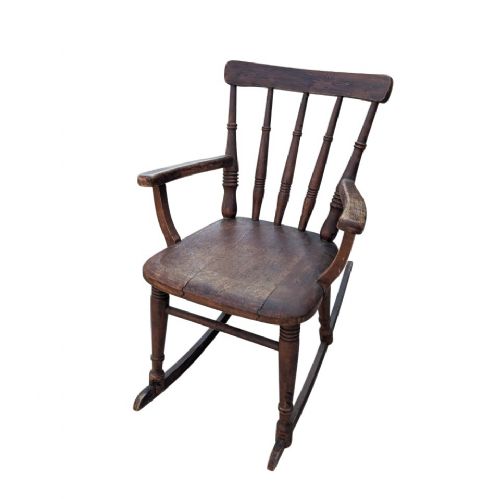
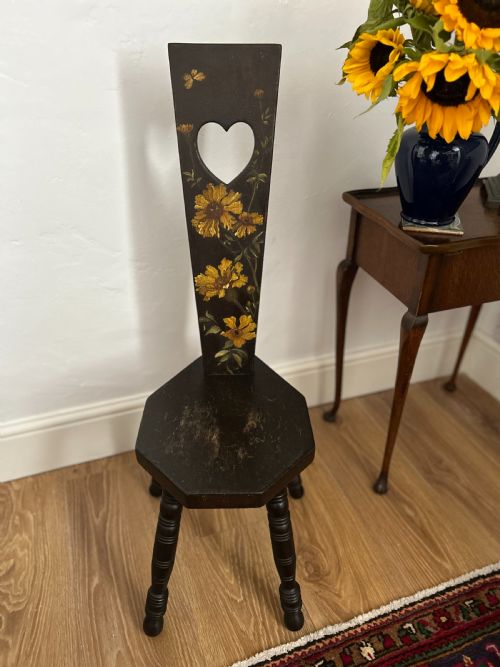
Domestic utilitarian forms dominate the selection, including dug-out seats, spinning chairs, stick backs, and high chairs. These pieces were built for everyday farmhouses, cottages, and rural homes rather than formal parlours.
Materials and Construction
Makers utilised available regional timbers such as pine, oak, elm, and general hardwoods, selecting woods based on local availability and the structural demands of the seat. Many pieces incorporate simple iron fixings or rely entirely on traditional pegged and jointed carpentry.
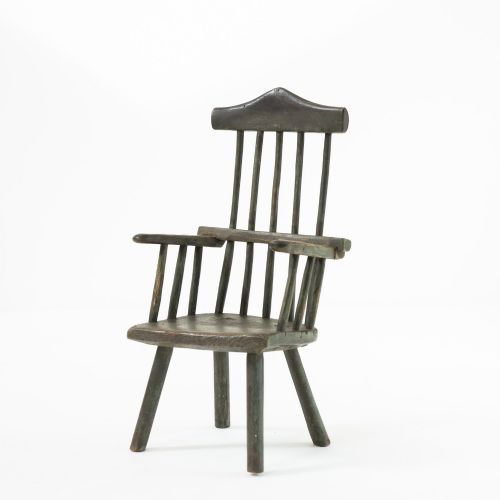
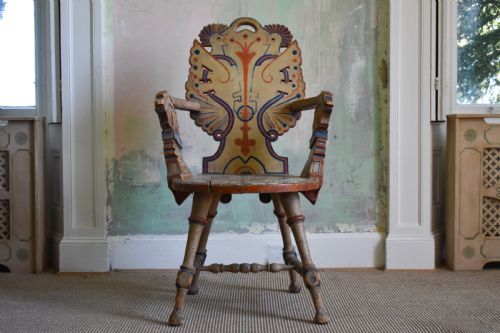
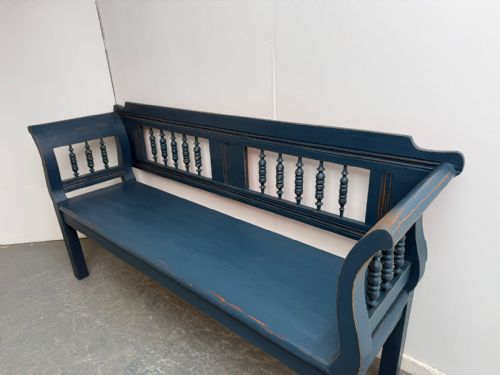
Surface treatments play a major role in the construction history, with numerous examples retaining original paint or hand-carved ornamentation. Dug-out chairs demonstrate how solid logs were hollowed out to form continuous seats and backs, while stick-back and comb-back chairs utilise turned spindles inserted into thick wooden slabs.
Wooden Folk Chair Retail Price Guide 2026
Typical asking prices for wooden folk chair among the pieces listed under this phrase on Sellingantiques today, from the lower quarter to the upper quarter. They describe what is for sale here now, not the wider market.
Several chairs feature dedicated snake-head carvings and natural forms, proving that rural makers enjoyed adding unexpected details to everyday seating.
Variations in Quality
The distinction between standard vernacular work and superior examples lies in the integrity of the original surface and the ambition of the carving. Pieces retaining untouched early paintwork or distinct regional carving stand apart from those stripped or heavily altered over time.
Structural honesty and the harmony of the timber define the better specimens. Chairs that retain their original proportions, uncompromised joints, and authentic regional quirks command greater attention from collectors.
The Wooden Folk Chair Glossary
- Dug out chair
- A primitive seat formed by hollowing out a single solid log to create the seat and back. This method represents one of the earliest forms of wooden chair construction.
- Spinning chair
- A low seat, often associated with Welsh and English traditions, traditionally used for textile work. These pieces frequently feature carved decoration on the backrest.
- Stick back
- A chair construction method where turned spindles or sticks are tenoned directly into a solid wooden seat. This technique provides lightweight strength.
- Escabelle
- A traditional regional chair type, often found in Swiss Alpine contexts, featuring solid board construction. They are typically compact and functional.
- Vernacular
- Architecture or furniture built by local craftsmen using traditional methods and local materials, without reference to high-style academic design.
Wooden Folk Chair: Frequently Asked Questions
What defines a folk chair?
A folk chair is a piece of domestic seating made by local craftsmen following regional traditions rather than metropolitan academic styles. They utilise accessible timbers and practical construction methods suited to rural life.
These chairs reflect the specific culture and material availability of their area of origin, whether from Welsh country workshops or Swedish farming communities.
How are original painted surfaces identified?
Original painted surfaces show natural wear, micro-crazing, and layers of patination consistent with age and domestic use. The pigment settles into the grain and edges in ways modern repainting cannot replicate.
Examining the underlying wood through losses or wear points helps confirm whether the paint finish belongs to the period of manufacture.
Where were these chairs used?
These chairs served everyday functions in farmhouses, cottages, rural workshops, and vernacular domestic interiors. Their forms were dictated by daily tasks such as spinning, nursing, or simple fireside seating.
Children's high chairs and rocking chairs were similarly built to serve domestic family life in rural communities.
How should I care for a primitive wooden chair?
Maintain these chairs in stable environmental conditions away from direct heat sources and extreme humidity fluctuations to protect the timber and historic finishes. Gentle dusting with a dry cloth is generally sufficient for maintenance.
Avoid using modern silicone polishes on old or painted wood surfaces, as these can alter the patination and damage historic finishes.