




Wooden Floral Carvings
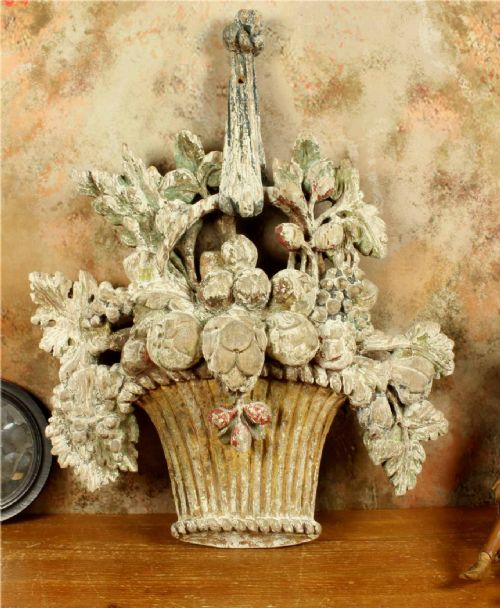
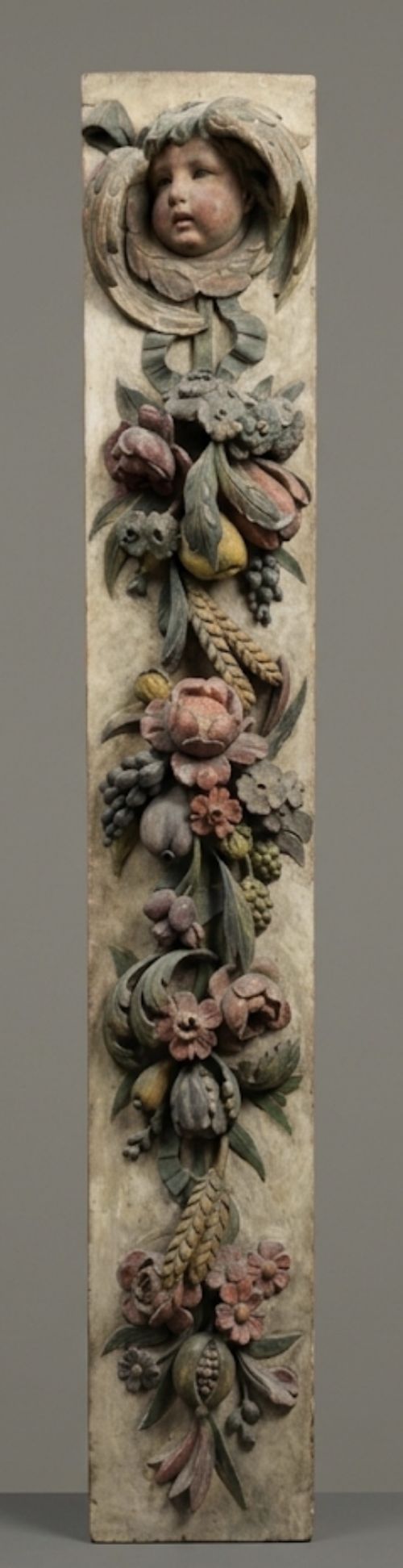
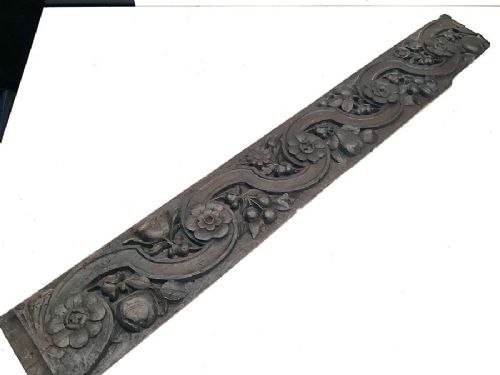
Wooden floral carvings bring textured botanical life into a room, offering rich timber panels and relief work shaped by centuries of hand craftsmanship.
Wooden Floral Carvings
When buyers search for wooden floral carvings, they encounter a diverse array of architectural salvage, wall reliefs, and decorative panels fashioned from timber. These pieces range from substantial Edwardian oak settles and Italian panels to intricate Black Forest game boxes and Chinese gilt wood temple carvings.
The versions most frequently met on this page span several centuries, including 18th-century baroque work, 19th-century interpretations, and specific periods like 1880 and 1900. Forms vary from single wall art pieces and pairs of panels to games boxes and architectural elements.
Origin and stylistic influences cross borders, incorporating English Tudor walnut, French decorative work, and Qing dynasty aesthetics alongside Renaissance Revival and Neoclassical motifs. Each object demonstrates how artisans across different eras translated natural floral forms into enduring wooden structures.
Materials and construction methods
Carvers utilised dense regional hardwoods such as oak, walnut, and various unspecified timbers to achieve deep relief without splitting. These woods were shaped using hand chisels and gouges to build up layered petals, stems, and leaves directly from the solid block or panel.
Surface treatments added further dimension, occasionally incorporating polychrome paint, gesso, or giltwood to highlight specific botanical details. Panels were often constructed with mortise and tenon joinery or framed to stabilise the carved sections against natural timber movement over time.
Wooden Floral Carvings Retail Price Guide 2026
Typical asking prices for wooden floral carvings among the pieces listed under this phrase on Sellingantiques today, from the lower quarter to the upper quarter. They describe what is for sale here now, not the wider market.
A Black Forest game box waits patiently to conceal your secrets beneath a lid bursting with carved foliage.
Assessing quality in carved wood
Quality rests in the depth and undercut of the relief, where superior carvers created genuine separation between petals and the background timber rather than shallow surface scoring. The crispness of the edges and the naturalistic flow of the stems reveal the maker's command of anatomy and material.
The integration of the carved decoration with the structural form separates standard work from exceptional examples, such as those found on Black Forest boxes or temple panels. Preservation of original surface finishes, whether bare timber, polychrome paint, or giltwood, maintains the integrity of the piece.
The Wooden Floral Carvings Glossary
- Architectural salvage
- Elements rescued from older buildings, such as carved panels and decorative woodwork, repurposed for modern interiors. These pieces retain the marks of their original structural context.
- Polychrome
- Decoration executed in multiple colours, frequently seen on older wooden panels to bring floral motifs to life. This technique adds visual depth through painted highlights.
- Giltwood
- Timber that has been coated with a thin layer of gold leaf or powder, enhancing carved details with reflective brilliance. It appears on decorative panels and temple carvings.
- Relief carving
- Sculpture in which figures or floral patterns project from a background plane, varying from low relief to deep undercut work. This method creates play of light and shadow across timber surfaces.
- Gesso
- A plaster-like mixture applied to wood as a smooth base for gilding or painting. It allows finer, crisper detail than carving directly into coarse grain.
Wooden Floral Carvings: Frequently Asked Questions
What are wooden floral carvings?
Wooden floral carvings are decorative panels, architectural salvage, and functional items shaped from timber to display botanical motifs.
They encompass wall art, furniture elements, and small boxes created by artisans across various European and Asian traditions.
How were floral carvings used?
These pieces served as architectural wall decoration, temple panels, structural furniture components like settles, and decorative storage.
Many functioned as focal points within grand interiors, while smaller items like game boxes combined utility with intricate artistry.
How do I care for carved wood?
Carved wooden items require stable indoor humidity away from direct heat sources to prevent the timber from splitting or warping.
Dusting gently with a soft, dry brush keeps the recesses of the floral relief clean without damaging delicate paint or gilt surfaces.
How do I identify different periods?
Periods are identified through a combination of wood species, tool marks, stylistic conventions, and surface finishes like gesso or polychrome paint.
Comparing regional characteristics, such as Tudor walnut or Qing dynasty gilt wood, helps establish the era of origin.