



Wooden Elephant Furniture
These wooden elephant furniture pieces bring character and regional carving traditions into a room, offering functional surfaces shaped by skilled hands.
Wooden Elephant Furniture
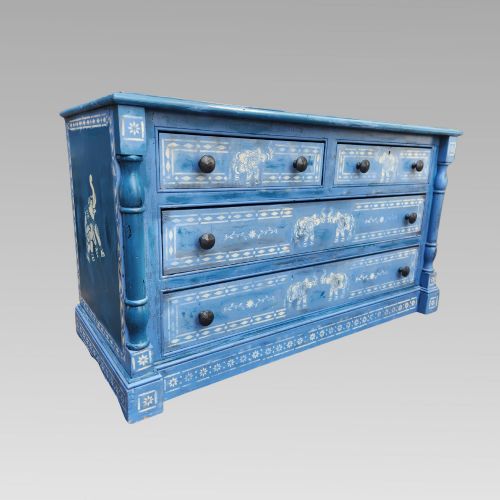
Wooden elephant furniture spans carved tables, armchairs, chests of drawers, and plant stands produced across the nineteenth and early twentieth centuries. When searching for wooden elephant furniture, buyers encounter regional British colonial items alongside folk art pieces.
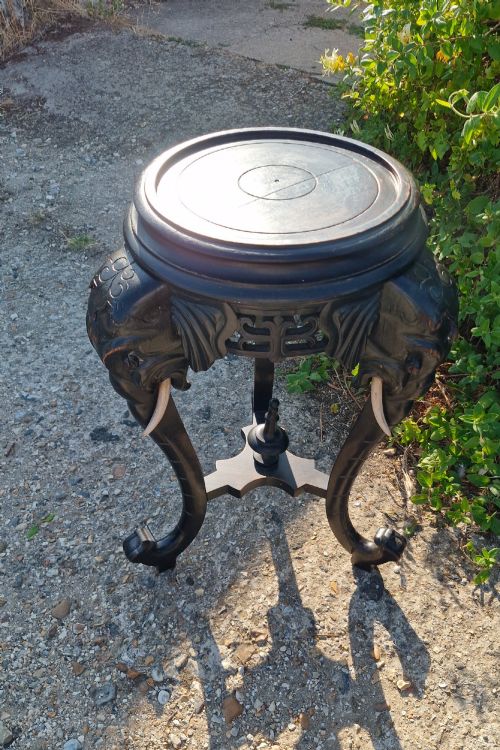
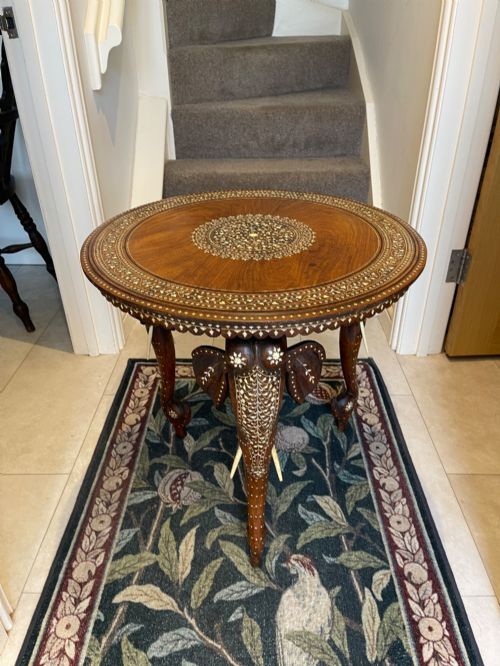
The most common forms on this page are occasional tables, centre tables, and side tables featuring animal motifs. These works draw on Anglo-Indian, Anglo-Burmese, and Art Deco traditions from periods including the Victorian era and the 1920s.
Makers utilised distinct regional styles, producing octagonal tables, tripods, and sculpted seats. Each piece reflects specific decorative techniques from the 1880s through to the 1930s.
How they were made
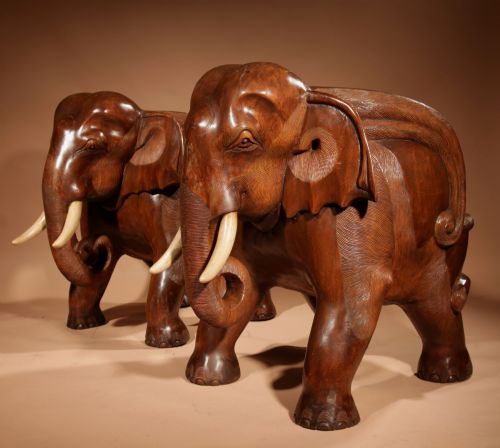
Artisans carved dense materials like teak, hardwood, and rosewood using hand tools to shape intricate animal forms and structural supports. Pine and metal also appear in specific folk art and painted examples from later decades.
Surface decoration frequently involves bone inlay and painted details, enhancing the carved wooden tusks and sculptural bodies. Joinery methods varied according to the local workshop traditions of the Bombay Presidency, Hoshiarpur, and Burma.
Wooden Elephant Furniture Retail Price Guide 2026
Typical asking prices for wooden elephant furniture among the pieces listed under this phrase on Sellingantiques today, from the lower quarter to the upper quarter. They describe what is for sale here now, not the wider market.
Some tables come equipped with painted wooden tusks ready to greet visitors.
What varies in quality
The integration of materials such as bone inlay and painted finishes influences the overall presence of the object. Harmony between the utilitarian function of the table or chair and its sculptural ornamentation defines the upper tier of these works.
The Wooden Elephant Furniture Glossary
- Anglo-Indian
- Describing decorative arts and furniture produced in India during the British period, often combining British forms with local carving styles.
- Hoshiarpur
- A town in Punjab known for intricate woodwork featuring detailed bone inlay and geometric patterns on teak bases.
- Bombay Presidency
- A historical administrative division of British India associated with specific regional styles of carved rosewood and teak occasional tables.
- Anglo-Burmese
- Pertaining to nineteenth-century items made in Burma under British influence, typically featuring deep wood carving and animal supports.
- Octagonal top
- A geometric tabletop shape frequently utilised on tables from the late nineteenth century.
Wooden Elephant Furniture: Frequently Asked Questions
What periods do these pieces date from?
The listings span the late nineteenth century through to the 1930s, encompassing Victorian items and Art Deco examples.
Dates are drawn from evidence including specific decades and broader nineteenth-century periods.
Where were these items made?
Origin locations include the Bombay Presidency, Hoshiarpur, and Burma, alongside British colonial workshops.
Peculiar regional styles define the construction and decorative techniques of each piece.
What materials are commonly used?
Construction relies on teak, hardwood, rosewood, and pine, occasionally enhanced with bone inlay and paint.
Materials reflect both traditional regional woods and later decorative treatments.