

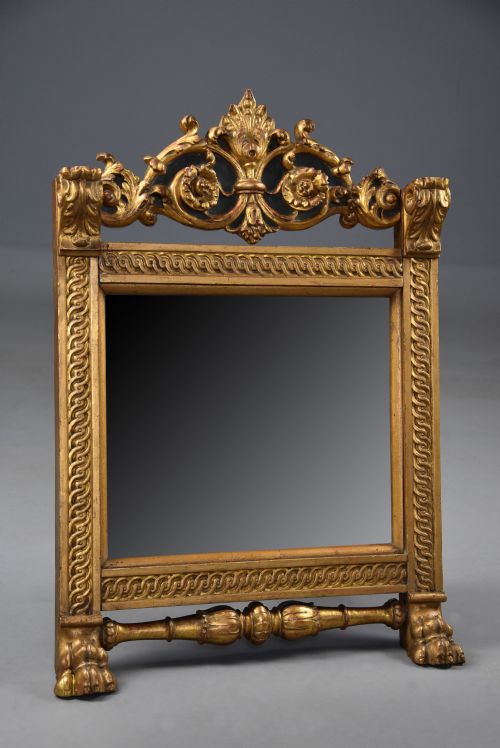


Wooden Easel Frame
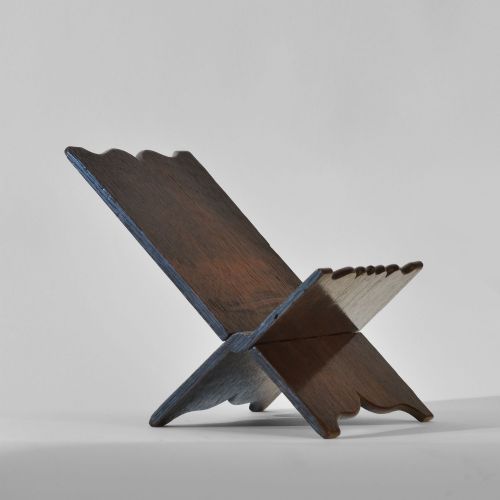
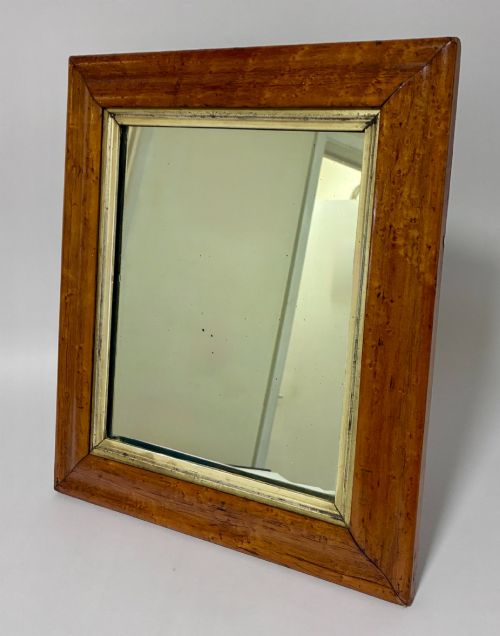
A wooden easel frame gives a desk or table presence, holding a photograph or mirror with architectural support.
Wooden Easel Frame
A wooden easel frame combines a picture holder with a rear supporting leg, allowing portraits or mirrors to stand upright on furniture. When you search for a wooden easel frame, you encounter desk accessories, table mirrors, and photograph holders designed to display items without wall mounting. The examples available span centuries of craftsmanship, ranging from domestic tabletop pieces to larger studio formats.
The materials and styles vary across the selection, featuring carved oak frames, giltwood surfaces, and mahogany structures. French oak examples from around nineteen hundred sit alongside nineteenth-century Italian baroque carvings and Edwardian pieces. These items serve a functional display purpose while bringing period character to a room.
The forms include dedicated display stands, oval carved mirrors, and photograph holders with wooden backs and stands. They bridge the gap between utilitarian desktop objects and decorative works of art. Collectors select them to display family portraits, small artworks, or decorative mirrors on mantelpieces and side tables.
How they were made
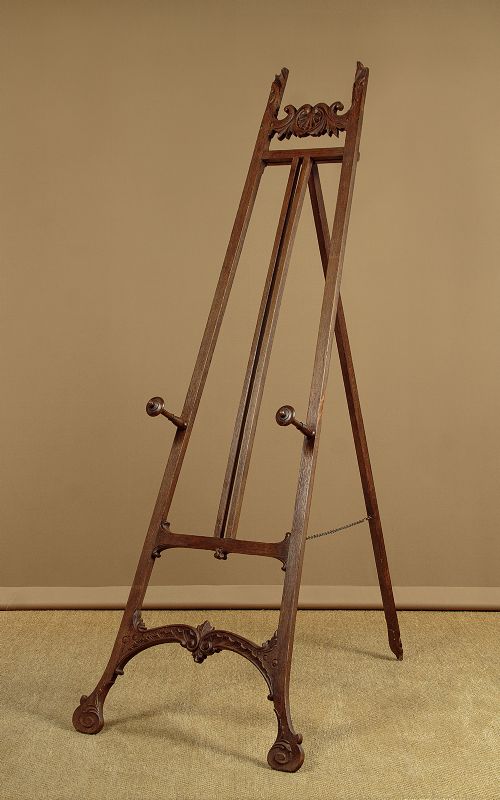
The construction relies on traditional carpentry and joinery techniques applied to timbers such as oak, mahogany, and giltwood. Artisans shaped structural woods like oak and mahogany to bear the weight of the frame and the rear support leg. Carved elements often feature intricate details such as Renaissance revival motifs or baroque scrolls executed directly into the wood or built up in gesso.
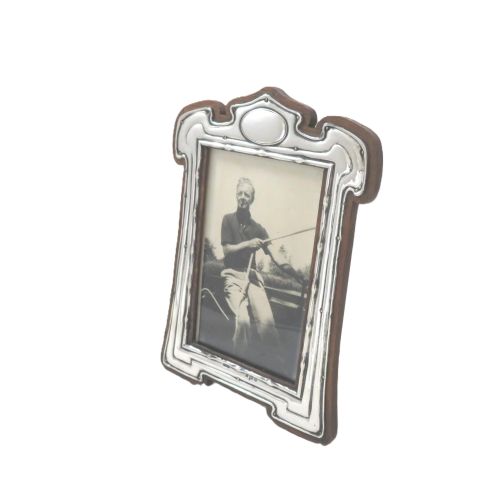
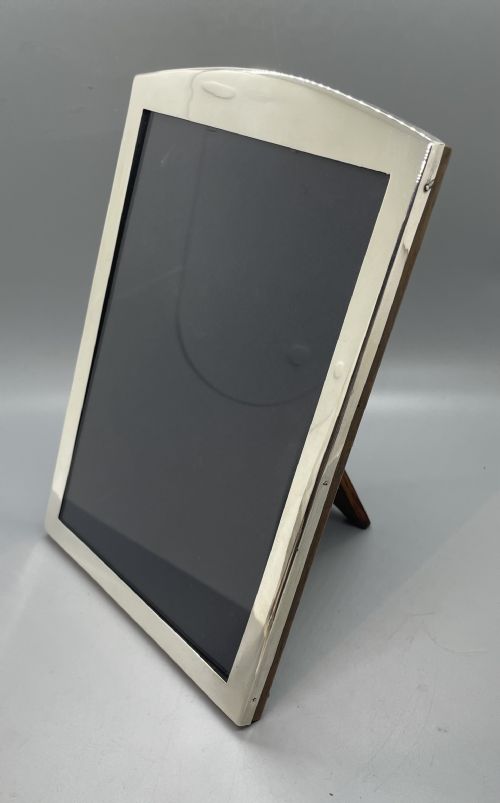
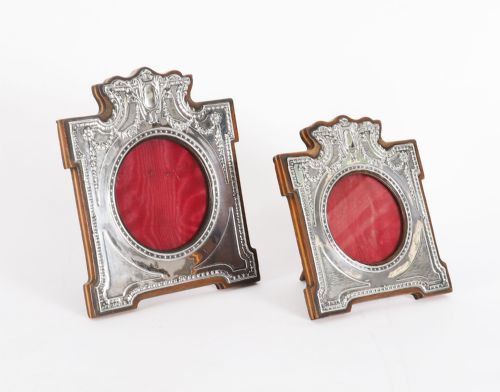
Finishes include polished wood grains, gilt surfaces, and applied metal elements such as sterling silver mounts. Many picture formats combine a wooden back and stand with a decorative front border. These mixed-media constructions require precise joining of wood, glass, and metal components to ensure stability.
Wooden Easel Frame Retail Price Guide 2026
Typical asking prices for wooden easel frame among the pieces listed under this phrase on Sellingantiques today, from the lower quarter to the upper quarter. They describe what is for sale here now, not the wider market.
Desk accessories from this era ensured that even a mundane photograph of a stern Victorian ancestor stood up with proper architectural dignity.
What varies in quality
The distinction between standard domestic items and finer pieces lies in the depth and execution of the carving. Hand-carved giltwood and detailed Renaissance or baroque styling indicate higher workshop involvement than plain turned wood. The treatment of the rear easel mechanism also signals quality, with sturdier hinges and well-fitted wooden backs lasting longer.
The choice of primary timber affects the character of the object, with dense French oak and figured mahogany representing robust material selection. Condition plays a role, particularly the preservation of original gilding, glass, and structural joints in the easel leg. Superior examples retain their original components without replacement parts.
Mappin Bros
The Wooden Easel Frame Glossary
- Easel frame
- A picture frame or mirror fitted with a hinged rear leg that allows it to stand unsupported on a flat surface. This design removes the need for wall hooks.
- Giltwood
- Timber that has been coated with gold leaf or a gold-coloured metallic finish. It was frequently used in ornate nineteenth-century and baroque revival pieces to catch the light.
- Gesso
- A plaster-like mixture applied to wood surfaces as a base for painting or gilding. Artisans carved intricate decorative details directly into this ground layer.
- Renaissance Revival
- A nineteenth-century design style that borrows motifs from fifteenth- and sixteenth-century European art. Pieces in this style often feature heavy carving and classical symmetry.
Wooden Easel Frame: Frequently Asked Questions
What is a wooden easel frame used for?
These pieces hold photographs, small mirrors, or artworks upright on desks, tables, and mantelpieces. The hinged rear leg provides stable support without requiring wall fixings.
They function as both practical display items and decorative objects that showcase period woodwork and carving.
How do I date a wooden easel frame?
Dating relies on identifying the prevailing style, such as Edwardian, Art Nouveau, or Italian Baroque, alongside the timber used. Examination of the joinery, hinges, and backing materials also provides clues to the period of manufacture.
Makers' marks or hallmarks on attached silver mounts can narrow down the production year.
Where should I place an easel frame?
They suit flat surfaces such as sideboards, desks, chests of drawers, and mantelpieces where they can be viewed at eye level. Placing them away from direct heat sources protects the wood and any gilt finishes.
Ensure the surface is stable so the rear easel leg does not slip.
What woods are common in these frames?
Oak and mahogany appear frequently in the construction of nineteenth-century and early twentieth-century examples. Giltwood surfaces also feature prominently in decorative styles.
Secondary woods often support the backing and internal structure of the easel mechanism.