




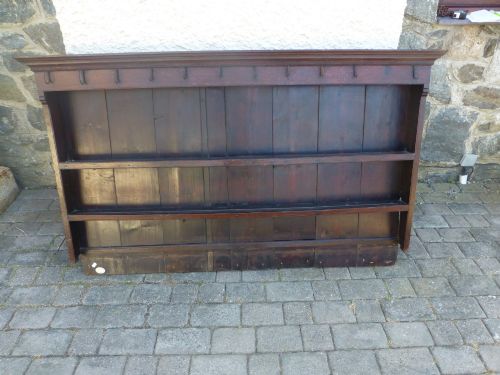
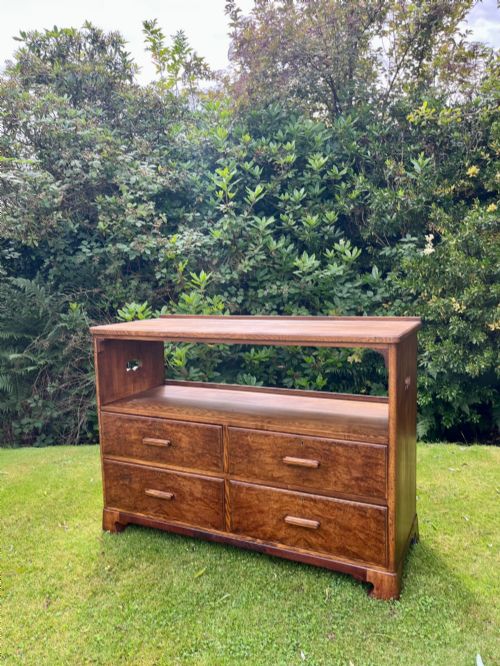
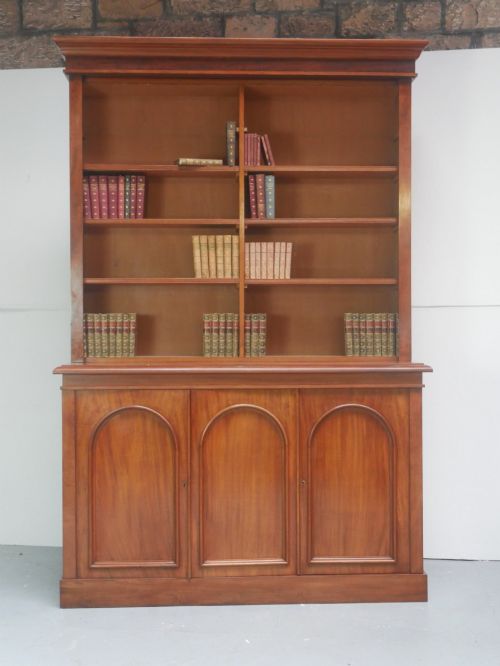
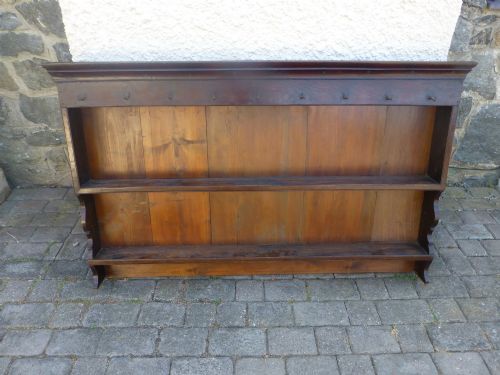
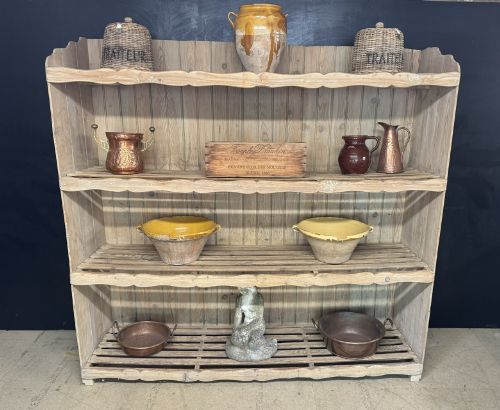
Wooden Dresser with Shelves
These wooden dresser with shelves selections combine practical storage with open display, offering a timeless focal point for the kitchen or dining room.
Wooden Dresser with Shelves
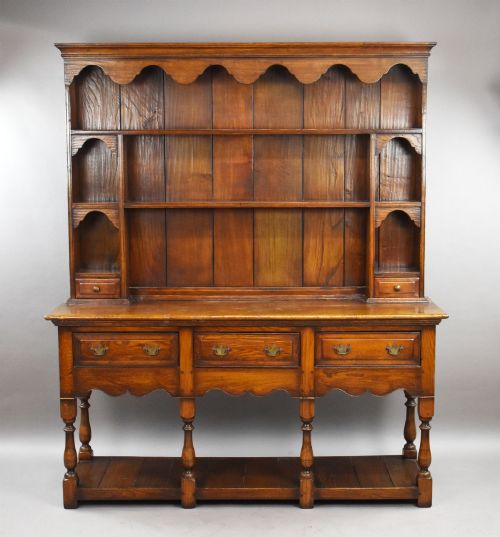
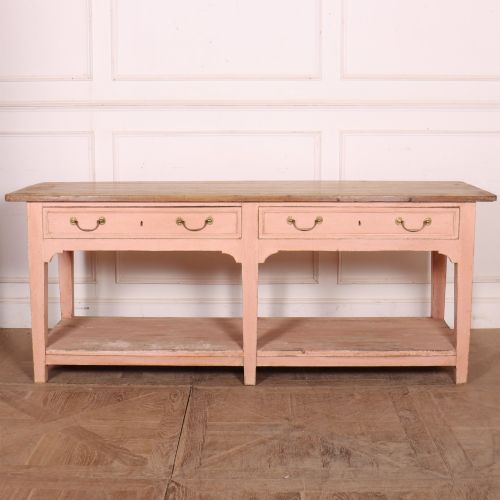
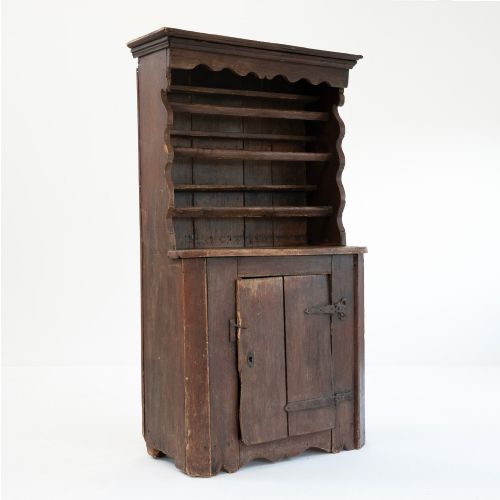
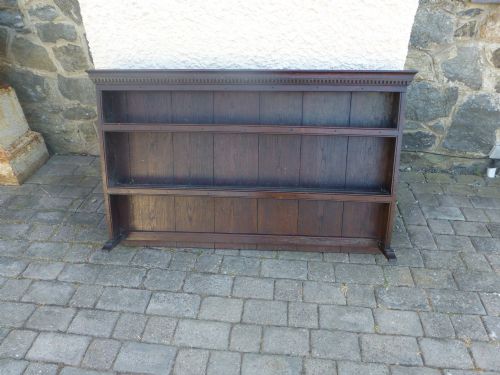
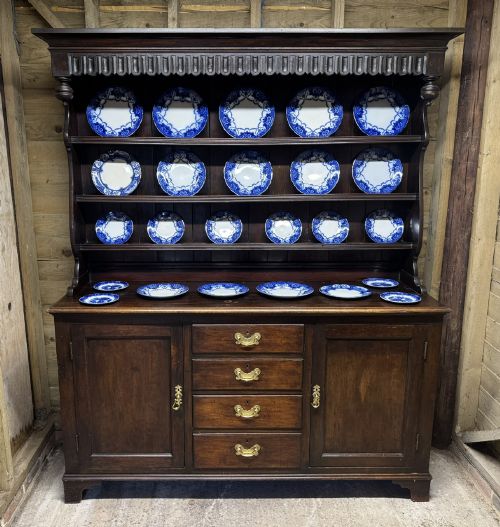
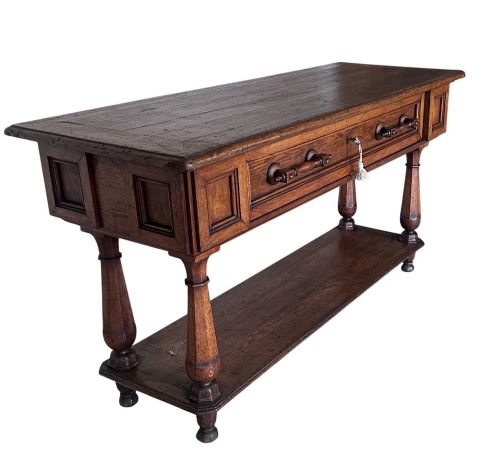
A wooden dresser with shelves serves as a traditional kitchen and dining room fixture designed for both utility and display. Buyers hunting for this phrase encounter various forms, ranging from tall two-part storage units to open plate racks paired with sideboards.
The pieces appearing here span centuries of craftsmanship, taking inspiration from periods such as the Georgian, Victorian, and Edwardian eras. Many examples originate from regional traditions, reflecting English and French country aesthetics through robust construction and practical shelving layouts.
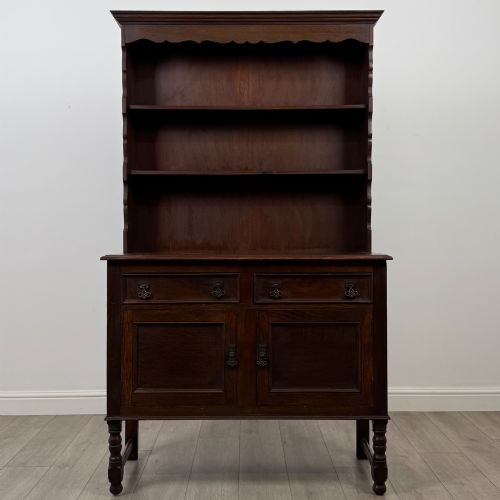
Forms vary from compact side cabinets with open shelved tops to substantial oak and pine country dressers. Buyers are most likely to meet regional oak and mahogany interpretations featuring shelved upper sections paired with lower cupboards or drawers.
How they were made
Cabinet makers relied primarily on solid timbers like oak, mahogany, and elm to build the foundational framework of these large items. Secondary woods such as pine appear in structural elements, whilst decorative elements utilise veneers like burr walnut and flame mahogany.
Construction techniques often involved traditional joinery to support the weight of crockery and books on the open shelving. Brass hardware, such as inlaid details and drawer pulls, frequently complements the timber surfaces alongside carved ornamentation.
Wooden Dresser with Shelves Retail Price Guide 2026
Typical asking prices for wooden dresser with shelves among the pieces listed under this phrase on Sellingantiques today, from the lower quarter to the upper quarter. They describe what is for sale here now, not the wider market.
Materials span solid elm, pine, burr walnut veneer, and brass inlay.
What varies in quality
The standard of timber selection largely distinguishes standard utility furniture from finer examples, particularly in the choice of figured veneers or richly grained solid hardwoods. Superior pieces demonstrate careful matching of wood grain across large surfaces and drawer fronts.
Hand-carved details and inlaid brass or secondary woods require a high degree of joinery skill, elevating the visual weight of the furniture. The integration of the upper shelving tier with the lower base unit determines structural harmony and overall presence.
The Wooden Dresser with Shelves Glossary
- Chiffonier
- A low sideboard or cabinet featuring shelves or a raised back, popular during the Regency and Victorian periods. These pieces frequently incorporate brass inlay and glass doors.
- Delft Rack
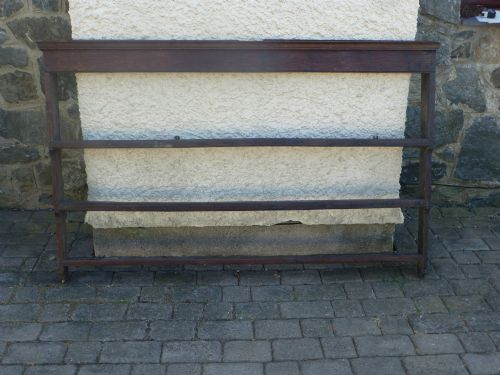
- An open-shelved wall unit or upper dresser section designed specifically for displaying ceramic plates and platters. Such pieces often include plate grooves along the wooden shelves.
- Flame Mahogany
- A distinctive wood veneer exhibiting a flamed or feather-like grain pattern prized by cabinet makers. This material is sliced from specific sections of the mahogany tree trunk.
- Burr Walnut
- A highly figured timber veneer taken from the wart or burl growth on a walnut tree. It produces intricate, swirling patterns across the surfaces of fine cabinets.
- George III
- The stylistic period spanning the long reign of King George III from seventeen sixty to eighteen twenty. Furniture from this era often exhibits refined classical proportions and quality mahogany.
Wooden Dresser with Shelves: Frequently Asked Questions
What is a wooden dresser with shelves?
A wooden dresser with shelves is a dual-purpose furniture item combining lower storage cupboards or drawers with upper open shelving. It traditionally functions as a display and storage unit for kitchenware and books.
Such furniture ranges from substantial regional oak country pieces to refined mahogany examples from the Georgian and Edwardian eras. The upper tier normally accommodates plates, books, or decorative objects.
How do I date an antique dresser?
Dating requires examining the primary and secondary timbers, construction methods, and hardware styling used throughout the piece. Regional oak pieces often date to earlier centuries, whilst mahogany and satinwood finishes frequently indicate later periods.
Stylistic cues like Corinthian columns, brass inlay, and veneer choices provide further chronological indicators. Comparing the integration of the upper rack to the base cabinet also helps establish the era of manufacture.
Where should I place a dresser?
These pieces suit dining rooms, kitchens, and large living spaces where open display shelving can be fully utilised. They provide generous vertical storage without overwhelming floor space.
Positioning them against a sturdy wall ensures stability, especially for taller two-part units carrying heavy ceramics or books. Adequate clearance allows the lower cupboard doors and drawers to open fully.
Are these dressers suitable for modern homes?
Their enduring storage capacity and open shelving make them highly practical additions to contemporary domestic interiors. They offer substantial utility for organising dishware, glassware, or book collections.
The mix of warm timber tones, such as oak and mahogany, brings natural texture to minimalist or traditional living spaces. Different configurations accommodate everything from narrow hallways to spacious country kitchens.