





Wooden Display Vases
Wooden display vases bring a refined focal point to any interior, offering sturdy platforms designed to elevate precious vessels.
Wooden Display Vases
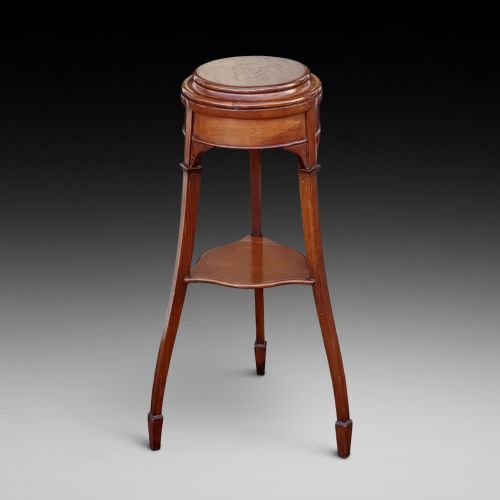
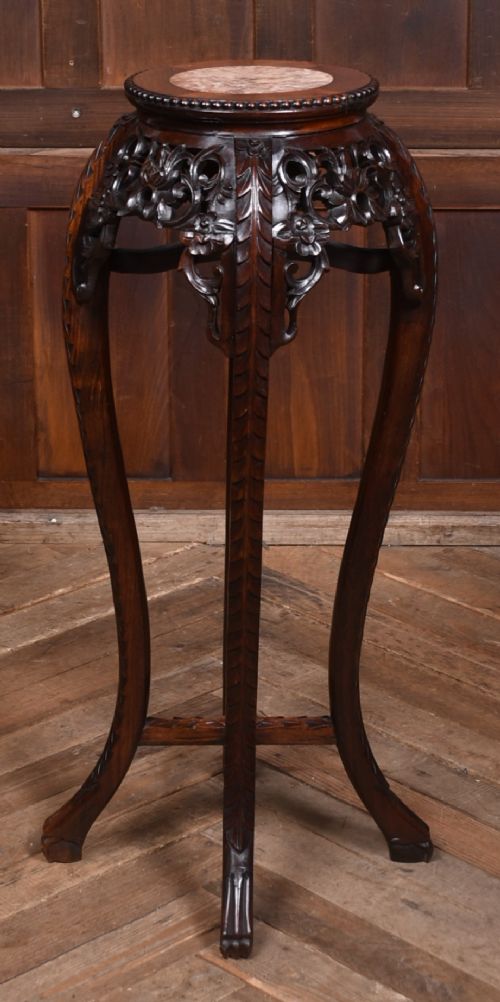
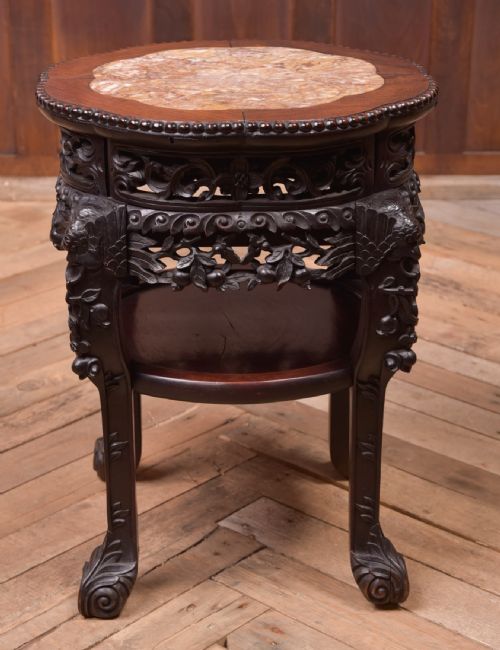
The forms span low vase stands, circular bust stands, and taller plant or jardiniere stands designed for domestic display. Chinese export pieces and traditional Qing dynasty designs dominate the available selection alongside British domestic output.
These stands serve primarily to lift a vessel clear of furniture surfaces, protecting the wood underneath while framing the silhouette of the object placed upon it.
Materials and construction methods
Craftsmen utilised dense hardwoods such as hongmu, rosewood, and walnut to build these resilient platforms, often incorporating inset marble panels into the top surface. Lacquer finishes also appear, providing a smooth, protective coating over the timber.
Carving represents the principal decorative technique, with artisans cutting intricate floral or scrolling motifs directly into the solid wood frame. Joinery relies on traditional methods to ensure stability under heavy ceramic vessels and marble inserts.
Wooden Display Vases Retail Price Guide 2026
Typical asking prices for wooden display vases among the pieces listed under this phrase on Sellingantiques today, from the lower quarter to the upper quarter. They describe what is for sale here now, not the wider market.
The listings combine nineteenth century Chinese export pieces with Edwardian domestic woodwork.
Distinguishing quality in craftsmanship
Superior examples demonstrate crisp, deep hand-carving where details remain sharp and well-defined rather than shallow or softened. The choice of timber also dictates standard, with dense exotic hardwoods achieving a finer finish than softer general timber variants.
The integration of inset marble tops reveals standard in construction, where stone sits flush and secure within the wooden rebate. Proportion and balance further separate standard pieces from masterworks, ensuring the stand supports the visual weight of a vessel.
The Wooden Display Vases Glossary
- Hongmu
- A dense, dark tropical hardwood traditionally utilised in Chinese furniture and display pieces. It offers exceptional durability and a rich natural grain.
- Jardiniere stand
- A tall piece of furniture designed specifically to hold a large ornamental pot or plant container. These stands often feature elevated platforms and carved aprons.
- Marble top
- An inset slab of polished stone fitted into the surface of a stand. This provides a cool, heat-resistant platform for heavy vessels.
- Qing Dynasty
- A historical period of Chinese imperial rule spanning from the seventeenth to the early twentieth century. Pieces from this era often display traditional carving motifs.
Wooden Display Vases: Frequently Asked Questions
What is a wooden display vase stand used for?
These stands elevate ceramic vessels, urns, and planters to create a distinct focal point in a room. They provide a stable, decorative platform that protects furniture surfaces from moisture and heavy weight.
Historically, collectors used them to give important decorative objects proper prominence in formal interiors. Today, they serve equally well for holding lamps or modern floral arrangements.
How do I identify a nineteenth century stand?
Nineteenth century pieces generally show dense exotic hardwoods, hand-carved detailing, and traditional joinery methods. Examination of the timber underside often reveals age-related patina and tool marks.
Comparison with documented Chinese export styles and Victorian domestic pieces helps confirm the specific manufacturing period.
Are marble top stands difficult to maintain?
Marble top stands require straightforward care, needing only a soft, damp cloth to clean the stone surface. Avoid acidic cleaners that can etch the polished finish.
The wooden frame benefits from occasional dusting and mild beeswax application to preserve the natural lustre of the timber.
How do I style these stands at home?
Placement depends on the height of the stand, with lower vase stands suiting tabletops and taller jardiniere stands resting directly on the floor. Pair them with contrasting ceramics or bronze vessels to highlight the carved details of the wood.
They work effectively in corners or empty alcoves where a vertical element adds balance to the room layout.