



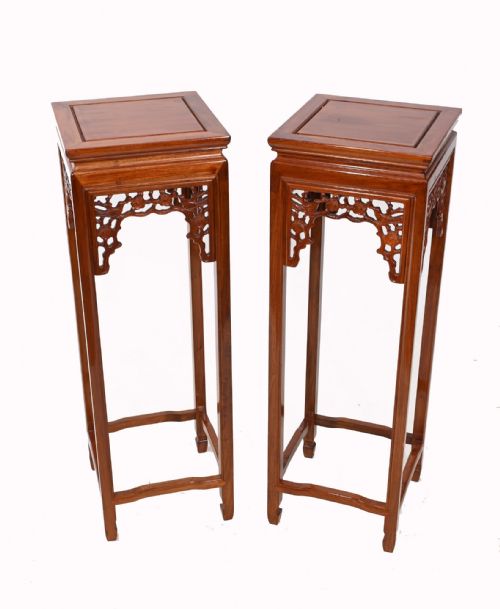

Wooden Display Urn
A wooden display urn or matching stand elevates a cherished object, bringing classical proportion and timber texture into a room.
Wooden Display Urn
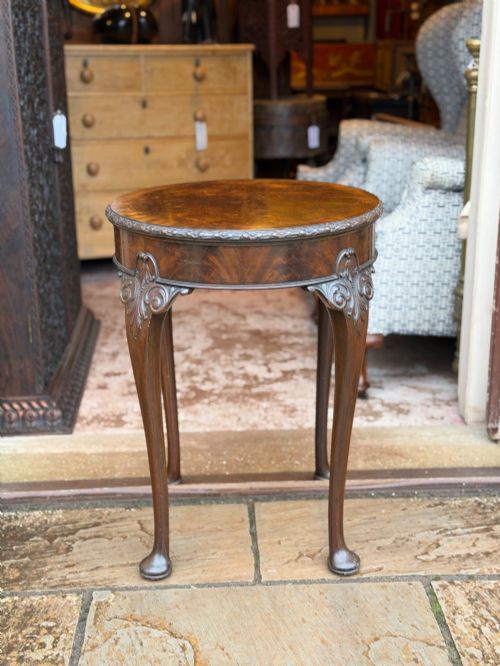
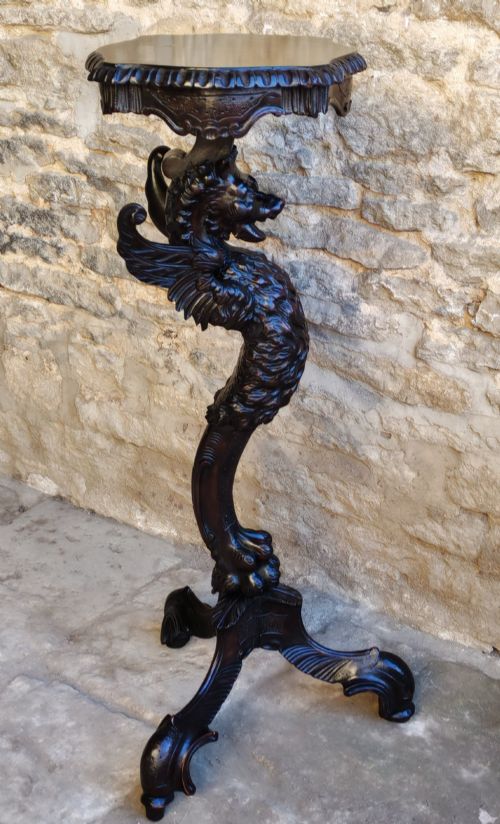
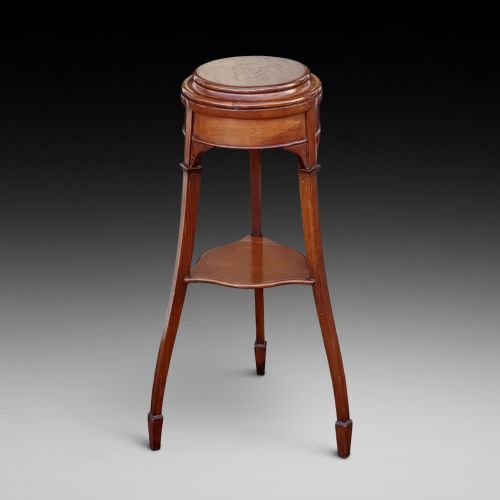
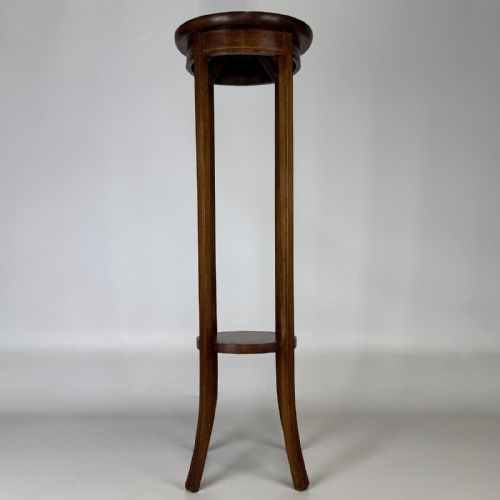
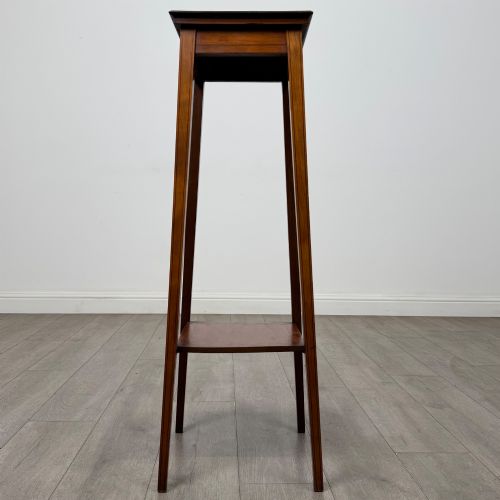
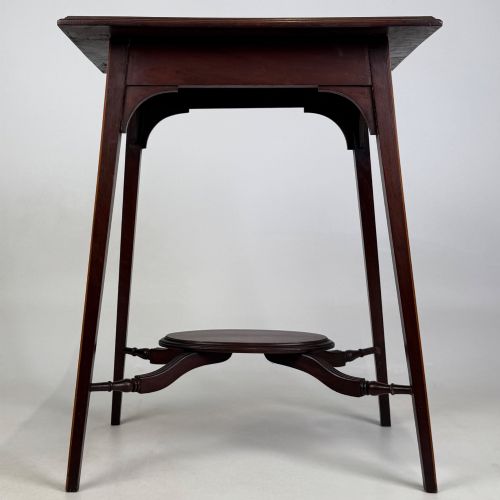
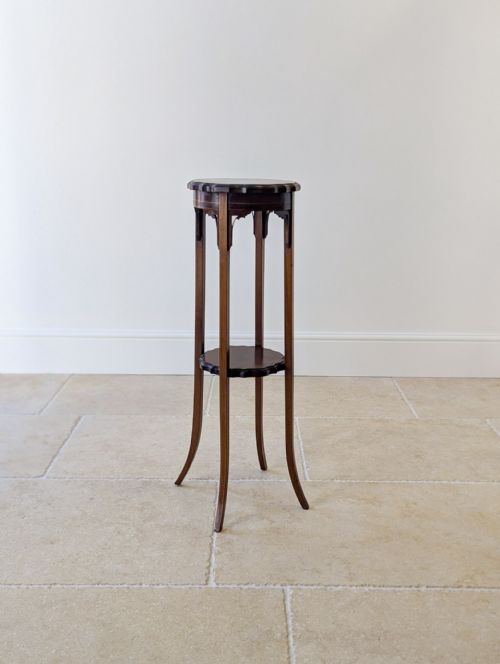
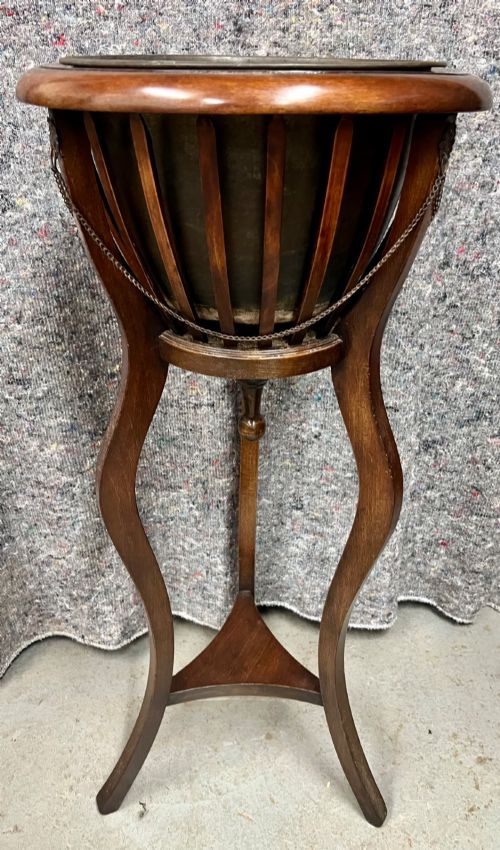
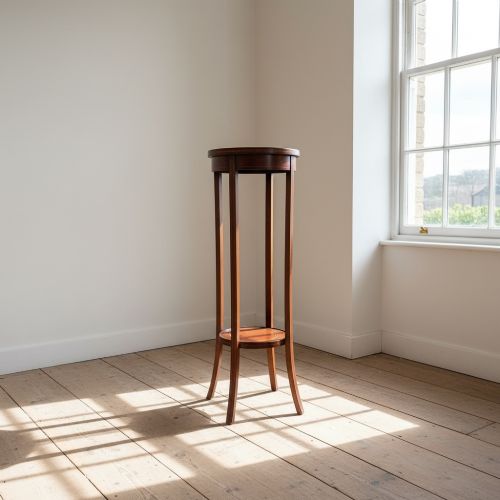
A wooden display urn and its related stands encompass plant stands, pedestals, plinths, torchères, and jardiniere tables designed to hold decorative items. These functional furnishings appear across the Georgian, Victorian, and Edwardian periods, alongside Chinese export and traditional designs.
The most common forms on this page include circular vase bust stands, tall torchères, and low jardiniere tables suited for domestic interiors. Makers often utilised mahogany, walnut, rosewood, oak, and hardwood to construct these upright supports.
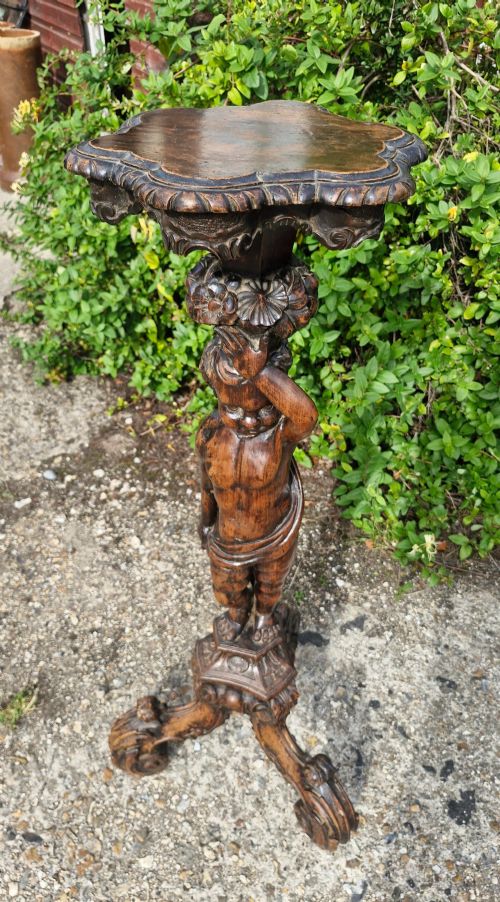
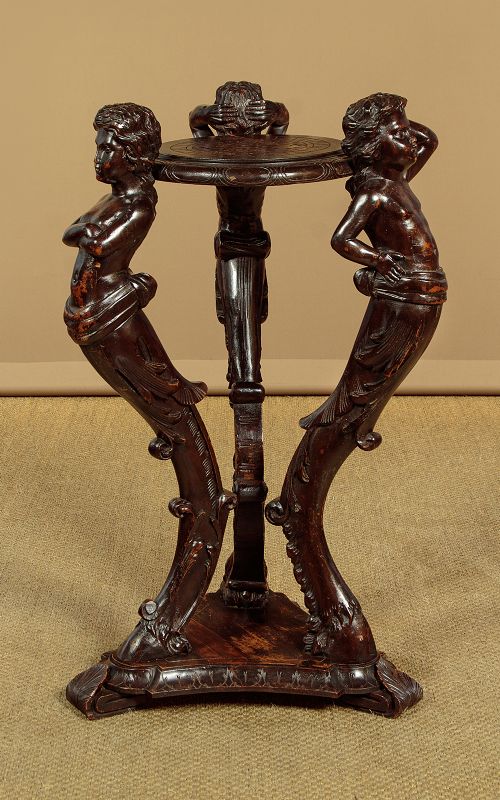
Stylistic influences range from British revival pieces to Chinese export and Italian carved works. Many examples incorporate lower shelves, tripod bases, or marble inserts tailored for heavy or damp vessels.
Materials and Construction
Cabinetmakers selected dense timbers like mahogany, walnut, and rosewood for their stability and capacity to hold intricate hand-carved details. Oak and hardwood provided robust frames for regional English and oriental pieces.
Inlay work in satinwood and contrasting veneers ornamented many Edwardian and Georgian revival tops and shafts. Marble inserts frequently topped oriental and Victorian stands to accommodate moisture from plants and vases.
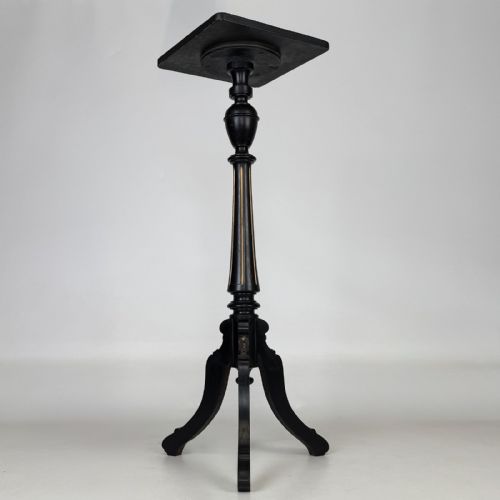
Structural techniques included turned columns, barley twist legs, ebonised finishes, and gilt wood applications. Tripod bases and triform pedestals ensured firm footing for slender columns and tall display urns.
Wooden Display Urn Retail Price Guide 2026
Typical asking prices for wooden display urn among the pieces listed under this phrase on Sellingantiques today, from the lower quarter to the upper quarter. They describe what is for sale here now, not the wider market.
Listings span the Georgian, Victorian, and Edwardian eras, featuring mahogany, walnut, marble, and hardwood.
Distinctions in Quality
The refinement of the carving separates standard production items from exceptional commissions. Crisp execution in floral motifs, caryatids, and reeded columns indicates skilled workshop output.
Timber selection and grain matching dictate the visual strength of a pedestal. Fine figures in mahogany, walnut, and rosewood elevate plain structural forms into decorative focal points.
Integration of secondary elements, such as fitted marble tops, intricate brass fittings, and precise inlay, demonstrates the original maker's investment in time and materials.
Shoolbred
The Wooden Display Urn Glossary
- Torchère
- A tall, slender stand or candlestick holder adapted in the 19th century to elevate vases, busts, and urns. These pieces rely on stability from weighted tripod or triform bases.
- Jardiniere stand
- A low table or pedestal specifically constructed to support a plant container or flower bowl. Many feature protective marble tops to prevent water damage.
- Triform pedestal
- A column or stand supported by a three-sided base. This configuration distributes weight evenly for tall display pieces.
- Inlay
- A technique where contrasting woods or materials are set into recesses on the surface to create decorative patterns. Edwardian makers frequently applied this to mahogany tops.
- Caryatid
- A sculpted female figure serving as an architectural support instead of a column. Carved oak examples appear on heavier 19th-century pedestals.
Wooden Display Urn: Frequently Asked Questions
What is a wooden display urn used for?
These pieces elevate decorative objects, urns, busts, and potted plants to eye level within a room.
Historically, they served as focal points in drawing rooms and hallways to showcase imported porcelain and art.
How do I tell Victorian from Edwardian stands?
Victorian stands tend to use heavier timbers, deep carvings, and ebonised or dark finishes with solid proportions.
Edwardian pieces often feature lighter mahogany, delicate satinwood inlay, and slender tapered legs.
Why do some stands have marble tops?
Marble inserts provided a durable, waterproof surface for damp plant pots and heavy jardiniere bowls.
This feature is particularly common on Chinese export pieces and Victorian walnut stands.
Where should I place a torchère stand?
Slender torchère stands suit corners, empty wall spaces, or flanking doorways where floor space is limited.
They work best supporting a single light sculpture, vase, or trailing plant.