
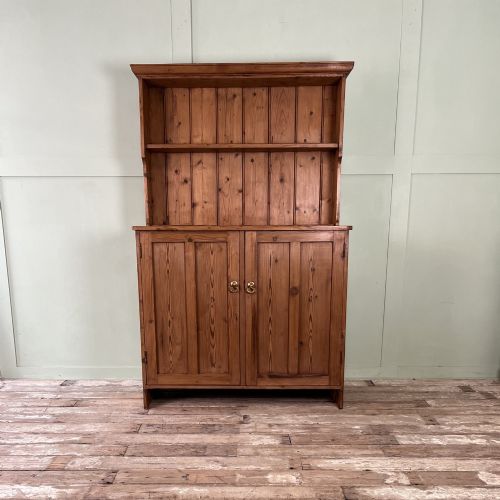
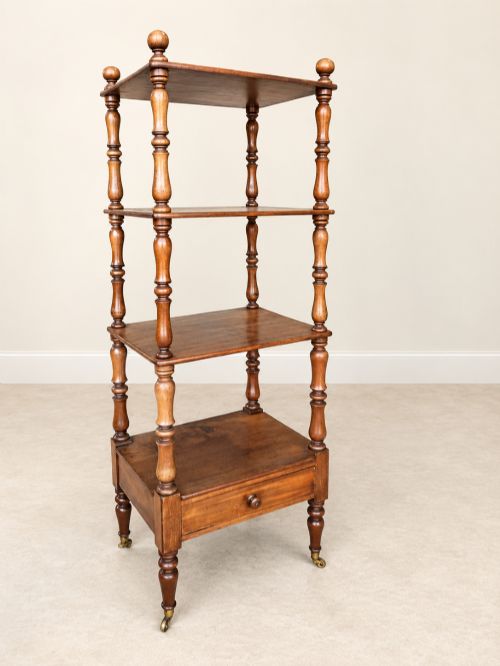
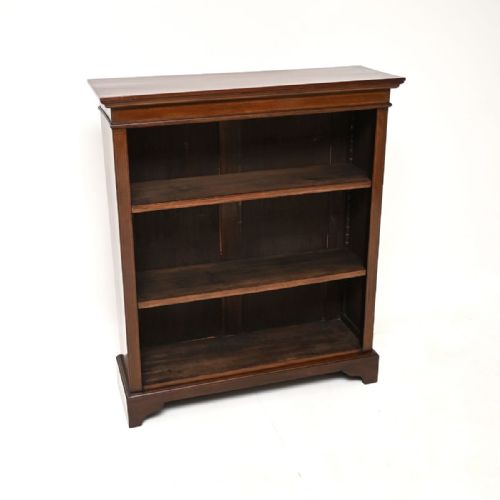
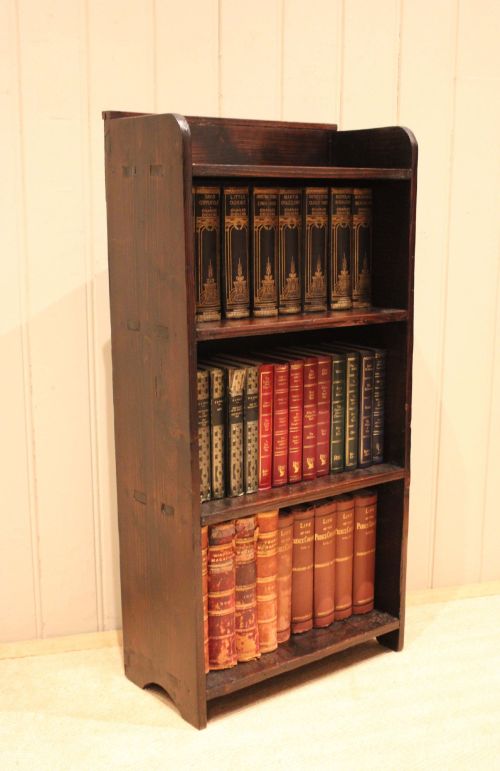
Wooden Display Unit
A wooden display unit brings practical warmth to a room, holding books and ornaments within sturdy timber frames.
Wooden Display Unit
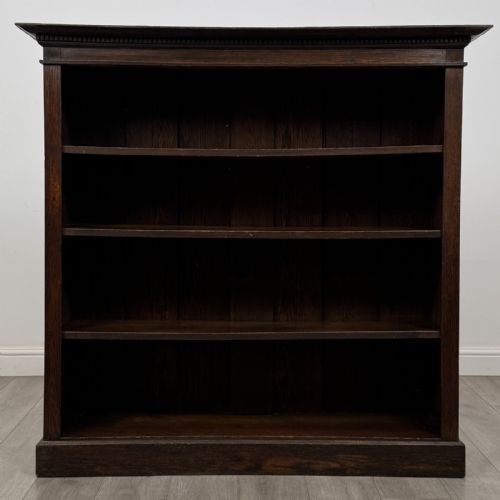
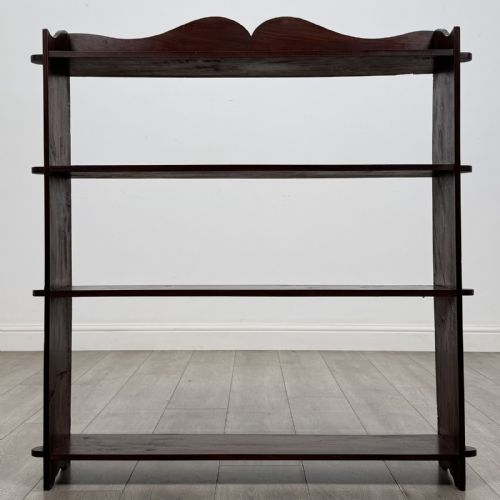
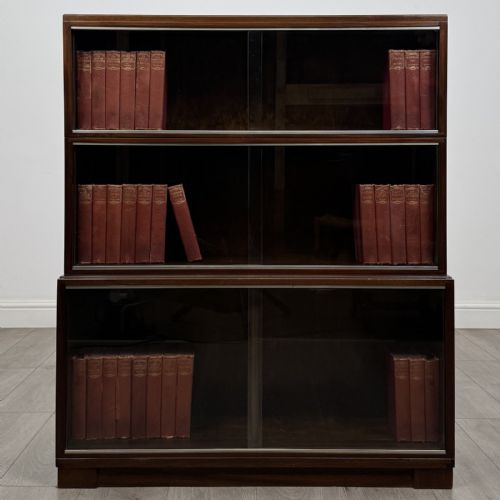
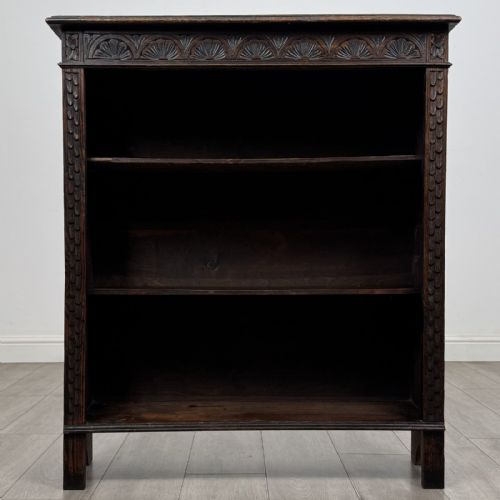
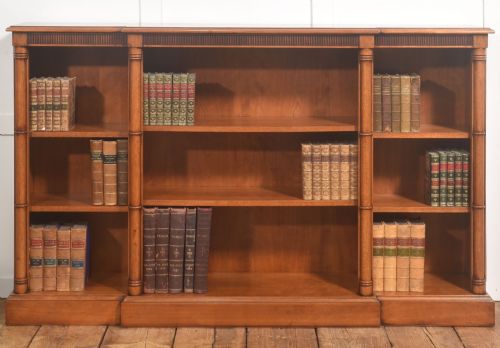
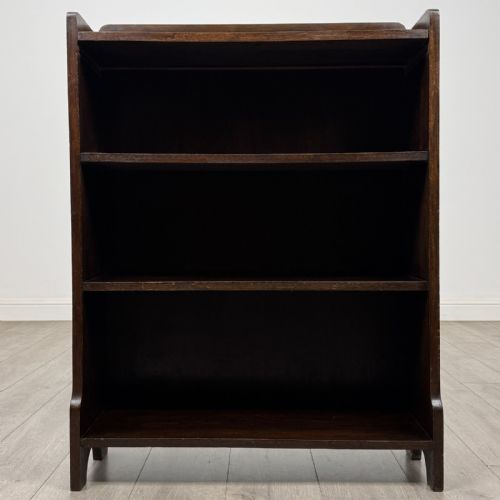
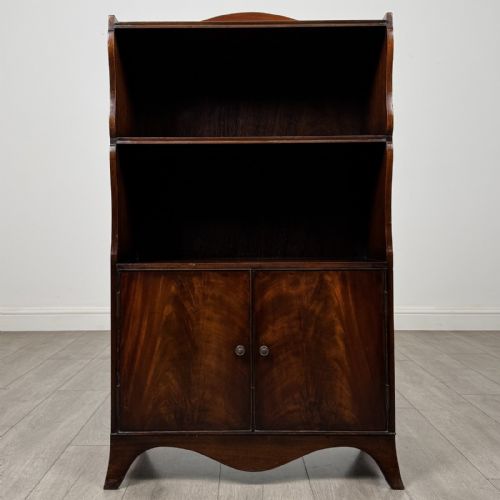
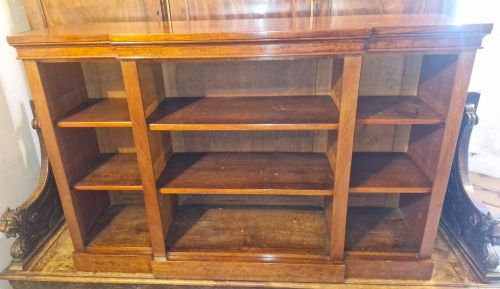
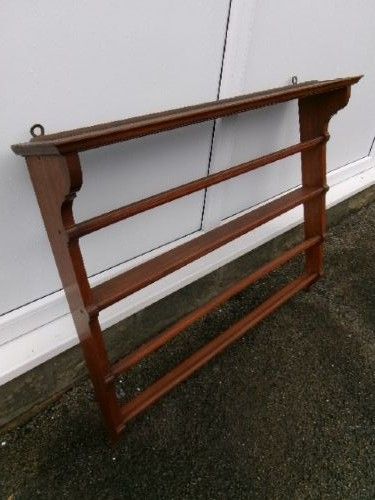
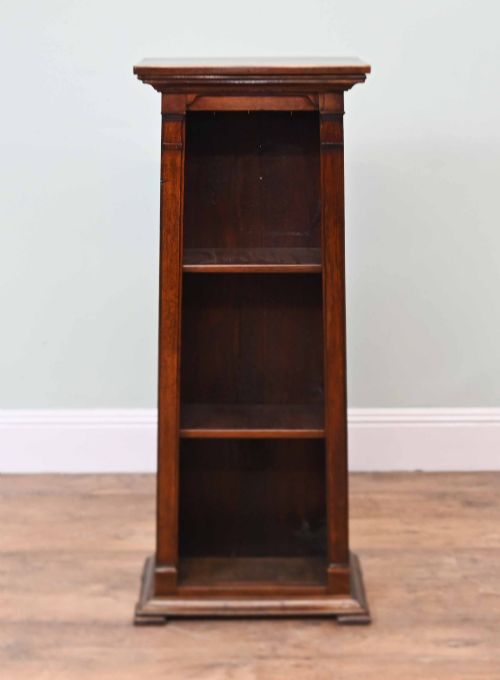
A wooden display unit covers open bookcases, wall hanging shelves, and bookcases and shelving units designed to organise and exhibit household items. The pieces on this page stem largely from the Victorian and Edwardian eras, alongside pieces from the 1910s, 1920s, and 1930s.
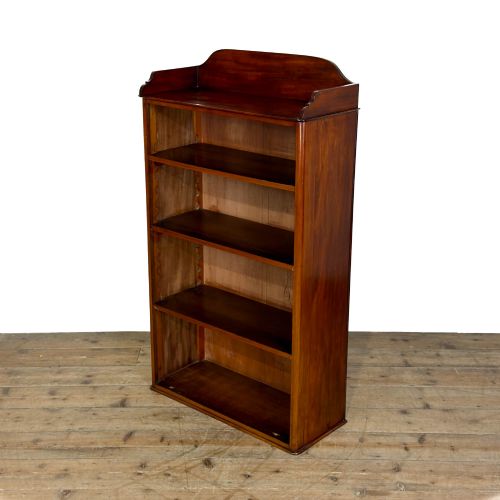
Buyers commonly encounter open bookcases and wall shelves constructed from oak, mahogany, and walnut. Many examples include adjustable shelves, raised galleries, or carved details that reflect the period of their manufacture.
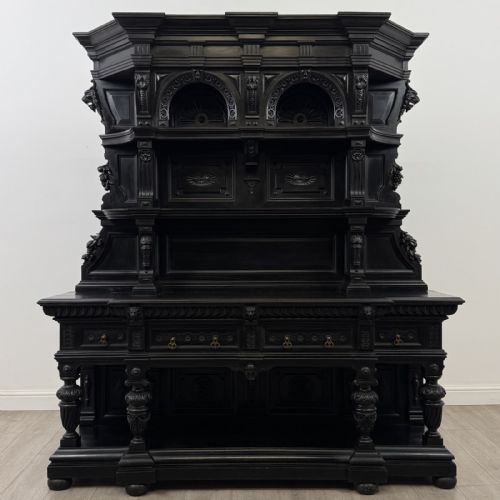
Origins range from English workshops to French provincial makers and Anglo Indian carvers, providing a diverse selection of shelving units, dressers, and sideboards.
How they were made
Cabinet makers utilised dense hardwoods such as mahogany, oak, and walnut, frequently applying walnut veneer to flat surfaces for added visual depth. Timber selection dictated the structural integrity of open bookcases and wall racks.
Detailing relied on hand carving, such as lion mask motifs, raised galleries, and inlaid wood patterns. Brass castors and brass hardware appeared on larger cabinet pieces and mobile display units.
Construction methods accommodated practical needs through adjustable shelving systems and wall mounting brackets on smaller hanging shelf racks.
Listings feature woods including mahogany, oak, walnut, pine, ash, and padauk across the nineteenth and early twentieth centuries.
What varies in quality
The selection of timber grain and veneer determines the visual presence of a wooden display unit, with burr walnut and figured mahogany sitting at the higher end of the scale. Solid oak and pine examples lean towards utilitarian robustness rather than decorative show.
Execution of carved elements, from simple raised galleries to intricate lion mask carvings, separates standard production from finer workshop output. Inlaid marquetry and precise joinery also indicate higher craftsmanship.
Hardware integration, including original brass castors and adjustable shelf mechanisms, alters the historical integrity and usability of the piece.
Heals
The Wooden Display Unit Glossary
- Open bookcase
- A shelving unit without doors, designed for the immediate access and display of books. These form the majority of upright storage pieces.
- Wotnot
- A tiered set of open shelves used for displaying ornaments and small decorative objects. It typically stands on slender legs.
- Waterfall bookcase
- A stepped shelving unit where each successive shelf is deeper than the one above it. This design creates a cascading profile.
- Raised gallery
- A low decorative railing or rim fitted to the top surface of a cabinet or bookcase. It prevents items placed on top from sliding off.
- Breakfront
- A piece of furniture where the central section projects forward from the side sections. This creates architectural depth on larger bookcases and cabinets.
Wooden Display Unit: Frequently Asked Questions
What is a wooden display unit used for?
These units serve to store books, ceramics, and personal ornaments while keeping them visible within a living space. They provide vertical storage without enclosing items behind doors.
Open configurations allow for quick access and flexible arrangement of everyday objects and collections.
How do I identify a Victorian bookcase?
Victorian examples frequently utilise dark hardwoods such as mahogany and oak, often featuring heavy carved details or ebonised finishes. Look for traditional joinery and deep wood tones typical of the nineteenth century.
Many incorporate adjustable shelving supported by wooden ratchets or metal pins within solid timber carcases.
Are shelves usually adjustable on these units?
A large portion of the open bookcases listed feature adjustable shelves to accommodate books of varying heights. This flexibility was common in nineteenth and early twentieth century cabinet making.
Fixed shelves do appear on smaller wall racks and specific rustic pieces where height variation is unnecessary.
How do I care for antique timber furniture?
Maintain wooden surfaces by dusting regularly with a soft cloth and avoiding direct exposure to strong sunlight or heat sources. This prevents the timber from drying out or splitting.
Apply natural beeswax periodically to nourish the grain and preserve the finish without building up synthetic residues.