






Wooden Deer Trophy
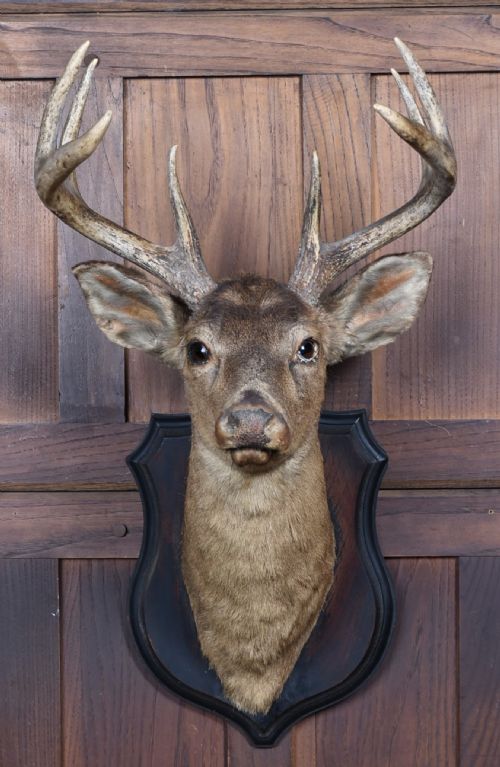
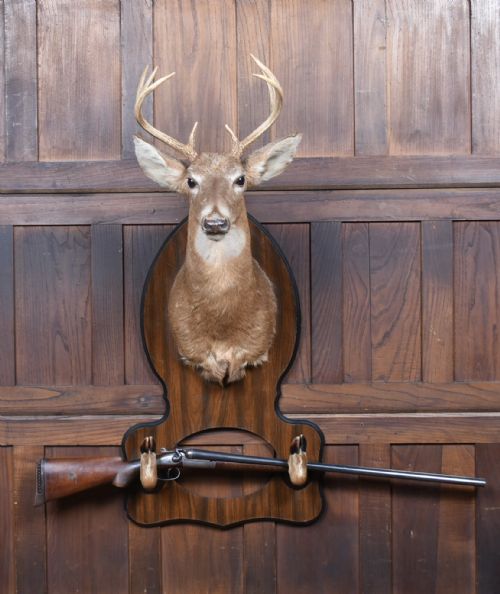
These wooden deer trophy items bring rugged Highland lodge character into a room through carved timber, natural antler and taxidermy mounts.
Wooden Deer Trophy
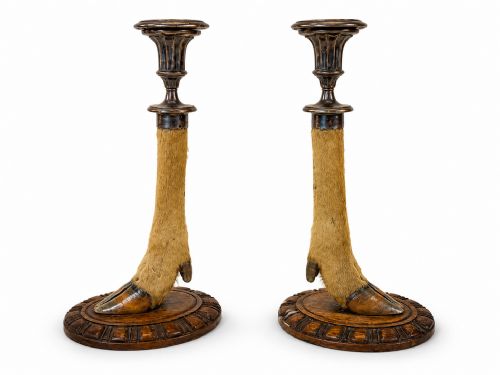
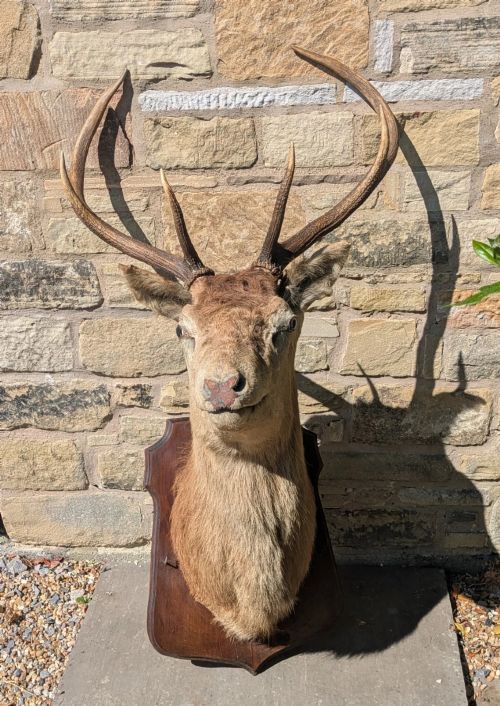
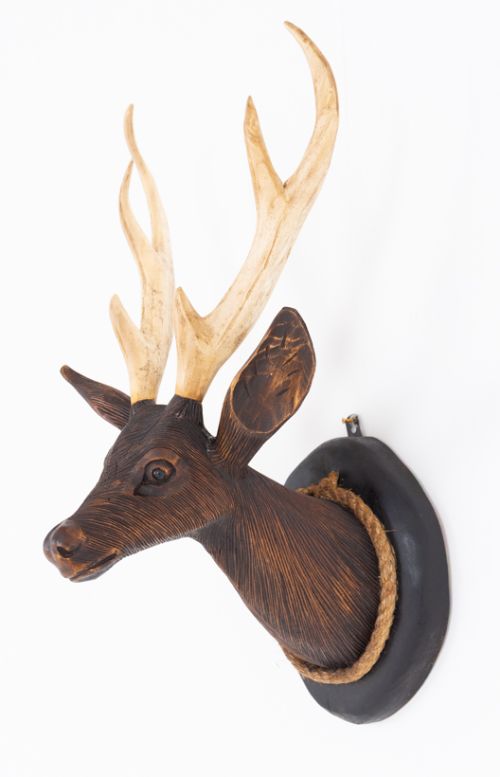
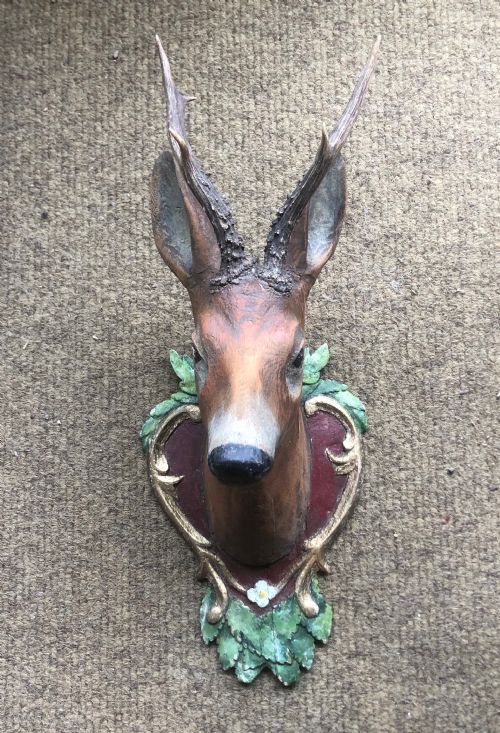
When someone searches for a wooden deer trophy, they encounter wall sculptures, taxidermy mounts, and functional inkstands that capture the essence of sporting traditions. The items range from simple folk art carvings to grand nineteenth century stag heads mounted on carved wooden shields.
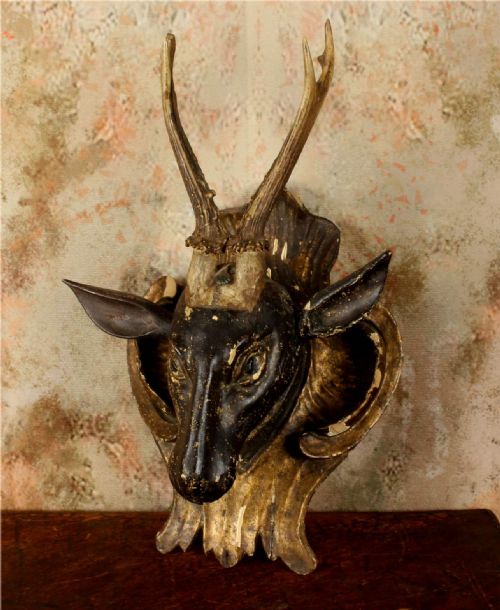
The pieces appearing on this page draw from Victorian, Highland traditional, and Black Forest styles, alongside Swedish painted folk art. Buyers most frequently meet mounted red deer antlers, whitetail and roe deer heads, and carved wooden interpretations dating from the nineteenth and early twentieth centuries.
How they were made
Maker workshops utilised solid woods such as oak alongside carved wood elements to build sturdy backings and dimensional animal forms. Natural materials including bone and real antler provide authentic texture, often combined with painted finishes to enhance the carved details.
Taxidermy hides and glass eyes integrate with carved wooden structures, particularly in traditional Highland and Black Forest pieces. Artisans shaped timber mounts with detailed carving work to support heavy antler spreads securely upon walls.
Wooden Deer Trophy Retail Price Guide 2026
Typical asking prices for wooden deer trophy among the pieces listed under this phrase on Sellingantiques today, from the lower quarter to the upper quarter. They describe what is for sale here now, not the wider market.
Listings feature oak, carved wood, antler, bone, and glass materials across periods spanning from 1800 to 1930.
What varies in quality
The skill of the carver dictates the visual success of wooden deer trophy items, separating expressive folk art from rigid or stiff interpretations. Depth of relief work, naturalistic proportions in the antler structure, and the preservation of original paint or wood finish determine the standing of each piece.
Integration between the natural antler or hide components and the supporting wooden shield affects overall harmony. Pieces that demonstrate careful anatomical shaping and robust joinery maintain greater presence than simpler, purely decorative iterations.
The Wooden Deer Trophy Glossary
- Black Forest Style
- Carved wood ornamentation originating from the mountainous regions of Central Europe, often featuring deeply textured forest motifs and animal subjects. This style appears frequently in nineteenth and early twentieth century decorative items.
- Folk Art
- Objects created by self-taught or traditional artisans using local materials like carved wood and paint. These pieces emphasise charming character over strict academic proportions.
- Inkstand
- A desk accessory holding inkwells and pens, occasionally incorporating deer antlers and carved timber elements. This functional form brought sporting motifs into Victorian studies.
Wooden Deer Trophy: Frequently Asked Questions
How do I hang a heavy stag head?
These wall sculptures require secure fixing directly into wall studs or heavy masonry using appropriate steel fixings.
The substantial weight of mounted antlers and carved wooden shields demands more than standard plasterboard plugs for safe display.
What periods do these pieces span?
The listings encompass items from the nineteenth and early twentieth centuries, including Victorian and Edwardian examples.
Craftsmen produced these trophies across various decades, ranging from early nineteenth century folk art to 1930s taxidermy mounts.
How do I clean carved wood and antlers?
Dust carved wood and natural antlers gently with a soft, dry brush to prevent the buildup of debris.
Avoid liquid cleaners or excessive moisture, which can damage aged wooden surfaces, painted finishes, and taxidermy materials.
What is a Highland lodge style?
Highland lodge style incorporates natural materials from Scottish sporting estates, such as deer antlers, oak shields, and taxidermy mounts.
This aesthetic reflects nineteenth century enthusiasm for hunting traditions and rustic interior decoration.