


Wooden Craft Storage
These pieces of wooden craft storage offer practical utility in robust oak, pine, and mahogany, serving collectors who value period interior organisation.
Wooden Craft Storage
When searching for wooden craft storage, buyers encounter utilitarian and decorative furniture designed for sorting, filing, or housing materials. The selection spans robust oak chests of drawers, cabinets, settles, and specialised boxes dating from the nineteenth century through the mid twentieth century.
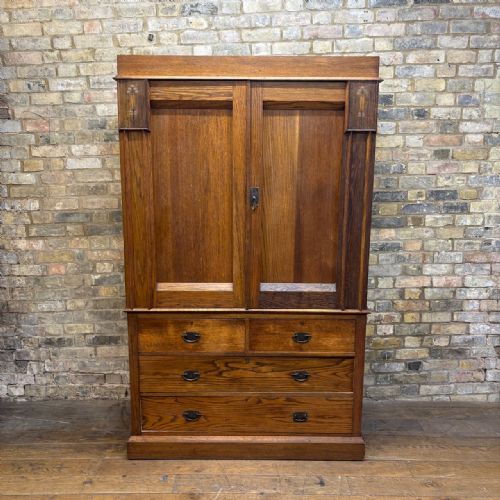
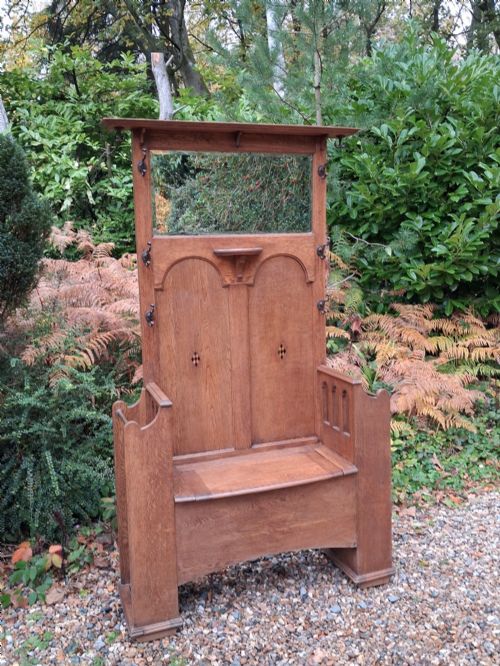
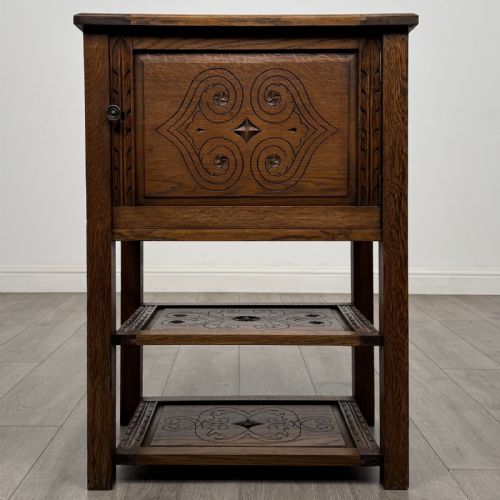
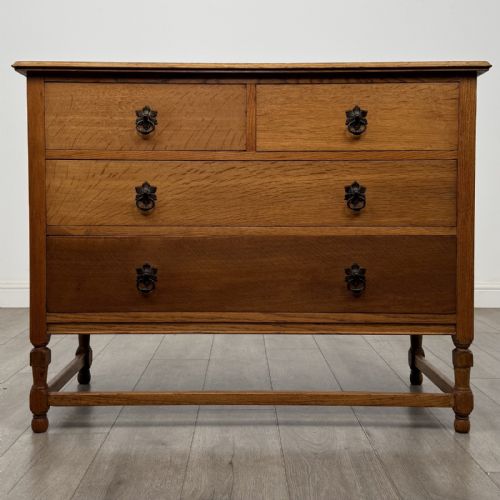
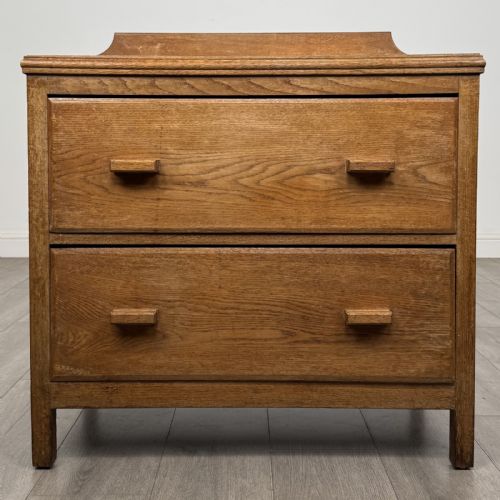
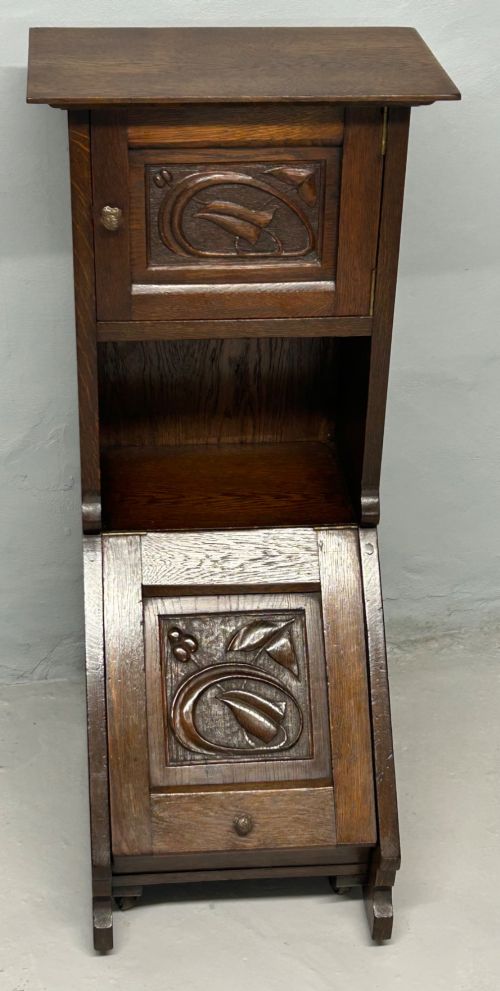
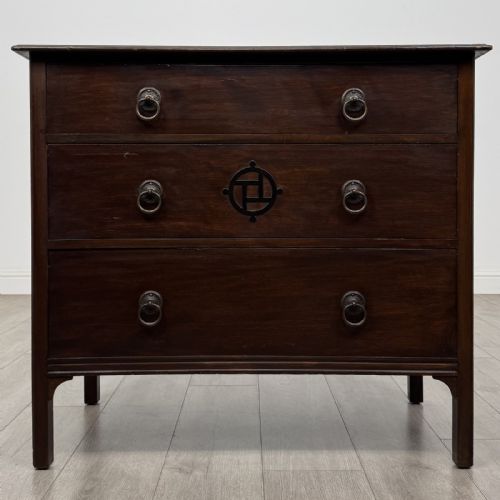
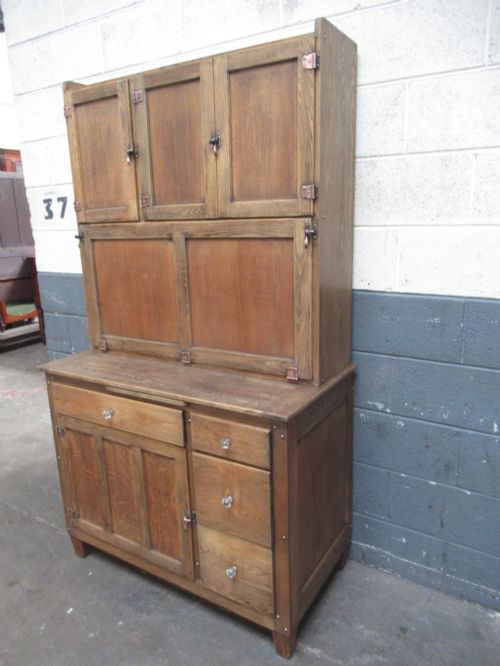
The most common forms on this page include sturdy chests of drawers in golden or dark oak, along with Arts and Crafts oak cabinets, purdoniums, and settles. These functional pieces originate from Victorian, Edwardian, and early twentieth century workshops.
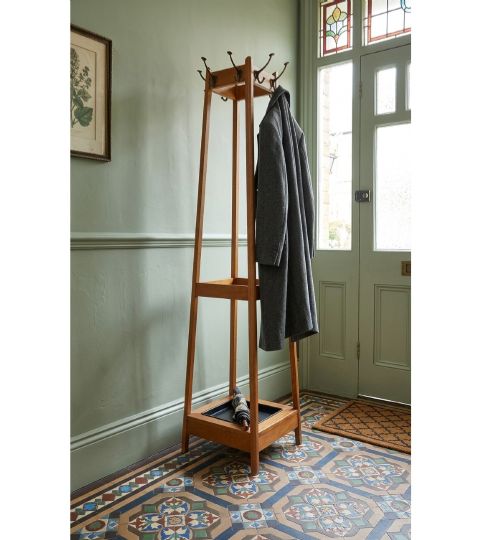
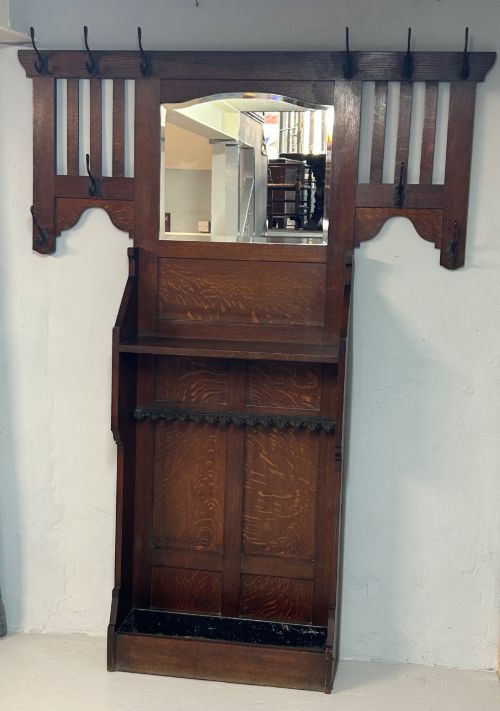
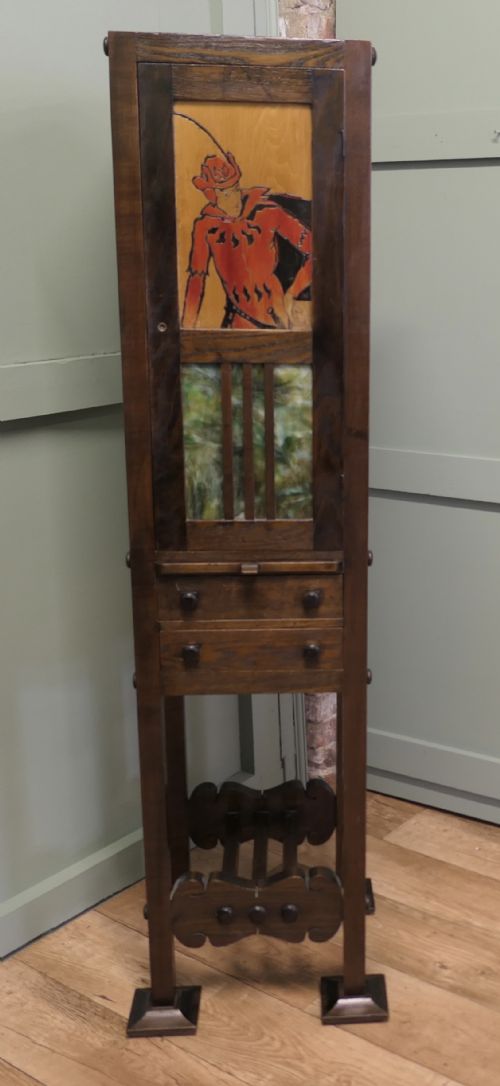
Alongside standard domestic storage, the inventory incorporates hall stands, umbrella holders, and music cabinets. Each item reflects the period need for orderly, compartmentalised storage constructed from solid timber.
Materials and methods of construction
Makers relied heavily on solid oak, pine, and mahogany, complemented by structural elements of brass, iron, and glass. Timber was chosen for durability and grain quality, often left in a natural waxed finish or polished to highlight the natural figuring.
Construction techniques combine traditional joinery with decorative metalwork such as ring handles and double hooks. Inlaid details, carved panels, and turned legs appear frequently across Edwardian and Arts and Crafts examples.
Wooden Craft Storage Retail Price Guide 2026
Typical asking prices for wooden craft storage among the pieces listed under this phrase on Sellingantiques today, from the lower quarter to the upper quarter. They describe what is for sale here now, not the wider market.
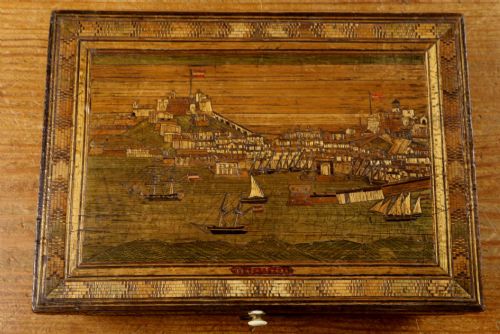
Prisoners of war fashioned delicate straw work boxes during the Napoleonic era, turning confinement into intricate miniature architecture.
Distinctions in quality
Quality rests upon the integrity of the timber selection and the precision of the joinery. Pieces utilising solid oak or ash throughout, rather than secondary veneers, retain structural stability over decades of use.
The sophistication of the design and the presence of maker attribution elevate specific items. Hand-carved details, integrated hardware like brass hooks, and thoughtful internal fitting distinguish standard utility forms from superior workshop productions.
Clark Anchor·Shapland and Petter·GM Elwood for JS Henry·Liberty Design·Harris Lebus of Tottenham·Whytock and Reid·James Shoolbred and Co
The Wooden Craft Storage Glossary
- Purdonium
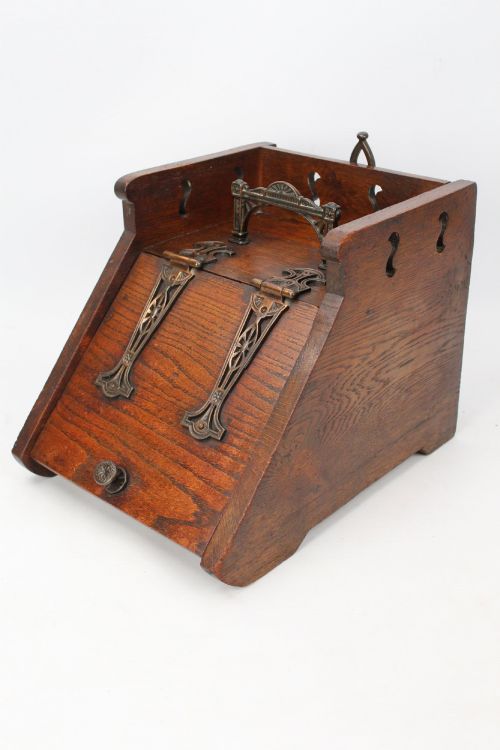
- A specialised cabinet designed for storing coal, typically featuring a sloping front and a drop-down compartment. These items often double as compact storage units in period interiors.
- Settle
- A wooden bench with high back and enclosed sides, frequently incorporating a hinged seat for box storage underneath. They provide seating alongside concealed capacity for household items.
- Haberdashery display
- Multi-drawer cabinetry originally utilised in shops for organising small goods and ribbons. Collectors value these for systematic craft organisation.
- Gallery
- A raised wooden edge or rail positioned along the top surface of a chest of drawers or sideboard. This prevents items from sliding off the upper ledge.
- Secessionist
- An early twentieth century stylistic movement related to Art Nouveau, focusing on geometric simplicity and functional form. Pieces from this movement display clean architectural lines.
Wooden Craft Storage: Frequently Asked Questions
What periods do these pieces span?
The inventory encompasses items produced from the nineteenth century through to the mid twentieth century. Major stylistic periods represented include Victorian, Edwardian, and the Arts and Crafts movement.
Dates generally range from the 1880s up to the 1950s, capturing both vernacular country furniture and workshop-designed items.
How were box settles used originally?
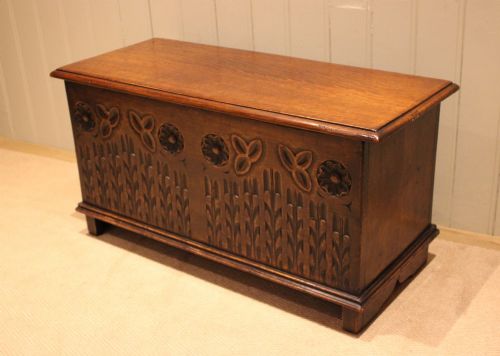
Box settles served dual purposes in period hallways and living spaces as both a seating bench and a concealed chest. The hinged seat allowed households to store bulky blankets or boots out of sight.
In craft settings, they provided accessible storage for materials while offering rigid seating near a hearth or window.
How do I identify an Arts and Crafts piece?
Arts and Crafts pieces emphasise visible construction methods, solid oak timber, and minimal applied ornamentation. Look for hand-beaten brass hardware, exposed tenon joints, and functional joinery.
Many examples feature carved plant motifs or simple geometric panels that celebrate traditional handcrafting techniques over industrial machinery.
Are these items suitable for modern storage?
These cabinets, chests, and drawers provide sturdy, compartmentalised storage well suited for contemporary organising. Deep drawers and internal shelving accommodate modern craft supplies and household goods.
Their solid wood construction ensures they withstand daily use while adding period character to a room.