


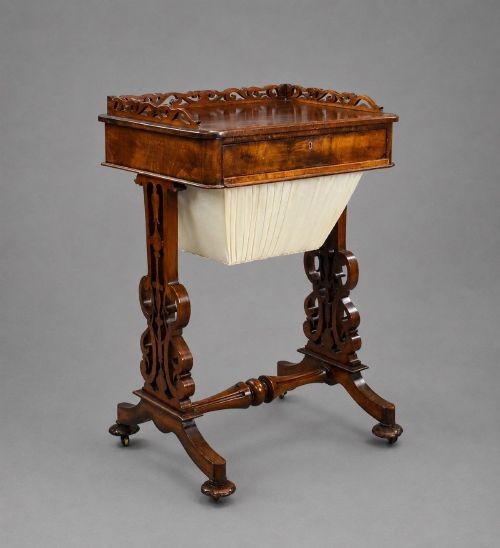
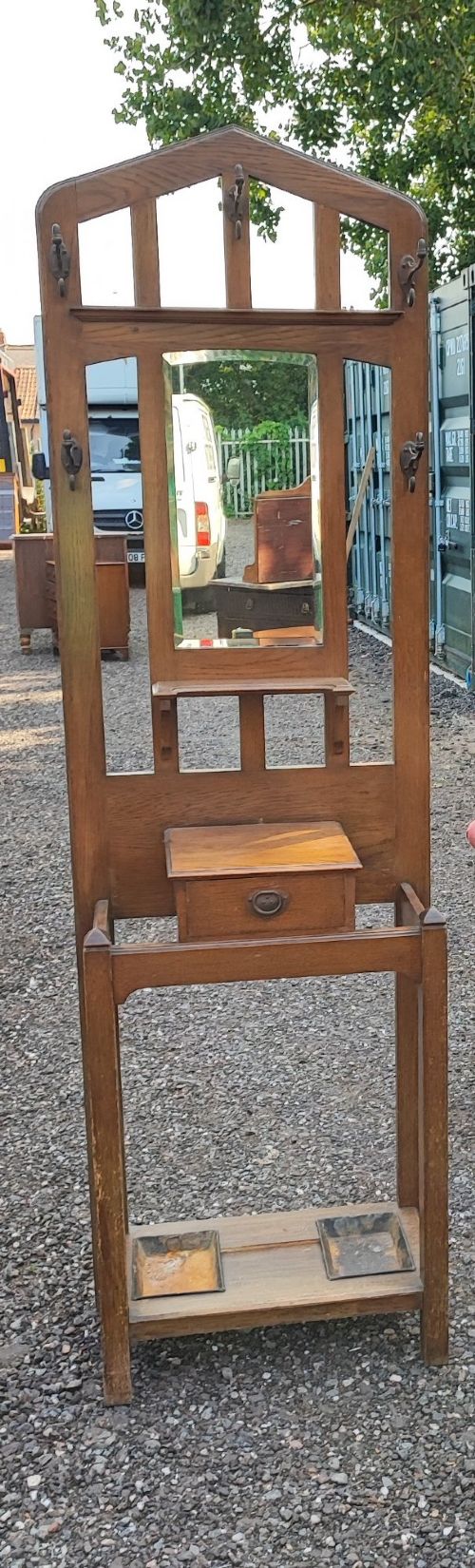


Wooden Craft Box
These pieces gather functional utility and decorative character, offering a practical wooden craft box for storage or display in your home.
Wooden Craft Box
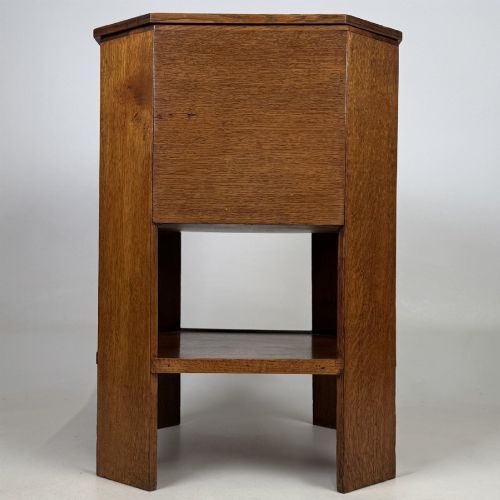
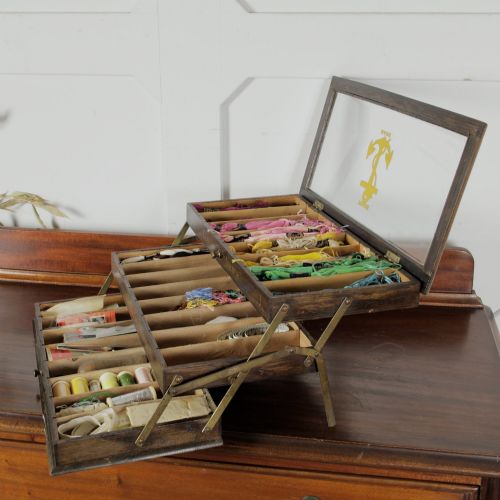
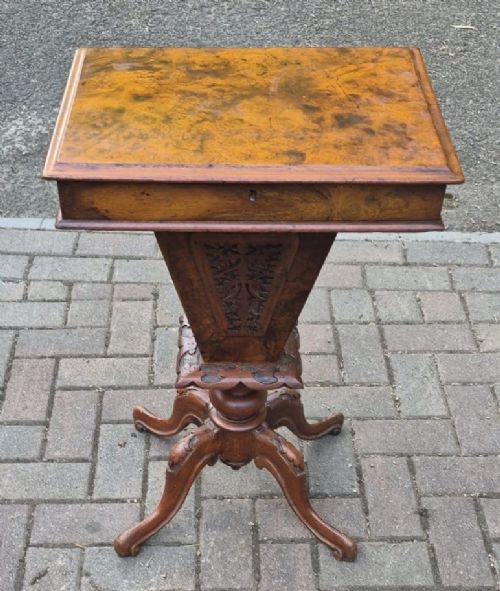
When you search for a wooden craft box, you encounter items designed to store materials, letters, or sewing supplies across periods from the nineteenth century into the twentieth century. These objects include small table cabinets, letter boxes, and specialised caskets constructed by makers working within Victorian and Arts and Crafts traditions.
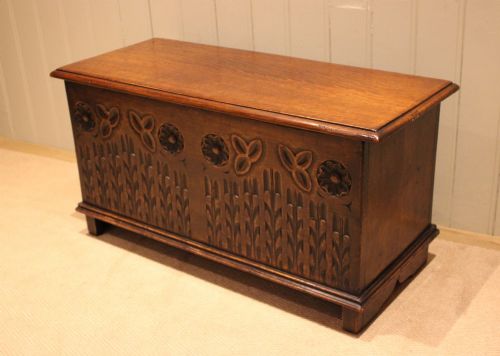
The selections on this page span diverse forms, ranging from simple pine boxes and oak coffers to inlaid desktop tidies and pokerwork stationery cases. Many pieces incorporate compartments or hinged lids intended for organising small household goods.
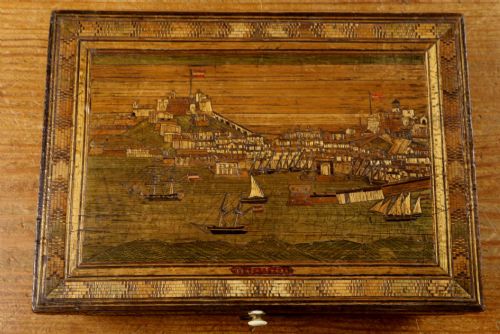
Origins stretch from English workshops to continental examples, including painted boxes and prisoner of war straw work. Buyers frequently meet oak and mahogany examples reflecting regional British styles of the Edwardian era.
Materials and construction
Makers utilised solid timbers such as oak, walnut, and mahogany, often shaping them with pegged joints, dovetails, or carved panels. Selected pieces incorporate softer woods finished with paint, leatherette, or straw work.
Surface ornamentation involved carving, inlay, pokerwork, and brass hardware to accent the functional structure of lids, doors, and interior compartments.
Wooden Craft Box Retail Price Guide 2026
Typical asking prices for wooden craft box among the pieces listed under this phrase on Sellingantiques today, from the lower quarter to the upper quarter. They describe what is for sale here now, not the wider market.
Prisoners of war fashioned intricate straw work and dioramas from sparse materials, leaving behind detailed miniature worlds inside humble wooden boxes.
Assessing quality
The standard of a box rests in the crispness of its joinery, the integrity of its hinges and locks, and the depth of any carved or inlaid decoration. Finishes that retain their original patination elevate an example above those with heavy modern alterations.
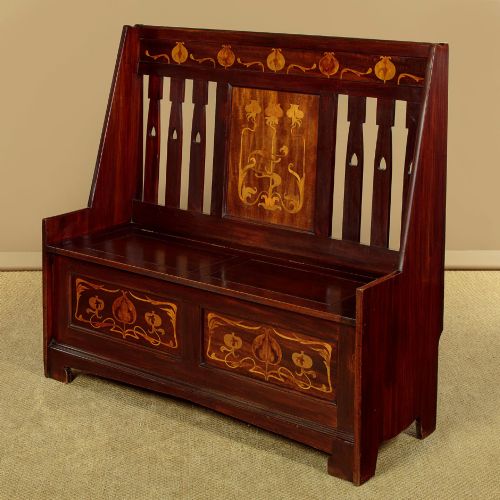
Design execution distinguishes standard utility boxes from pieces bearing distinct stylistic markers of the Arts and Crafts or Art Nouveau movements, where proportion and hand-finished details dictate the tier of craftsmanship.
James Shoolbred and Co·Jack Grimble·Christopher Dresser·Liberty
The Wooden Craft Box Glossary
- Pokerwork
- A technique of burning designs into wood using a heated metal point. This method was popular for decorating nineteenth-century stationery boxes and desktop tidies.
- Tunbridge Ware
- A type of woodworking featuring minute mosaic patterns made from naturally coloured woods arranged in geometric or pictorial motifs. It frequently adorns Victorian needlework caskets.
- Coffer
- A chest with a hinged lid, typically constructed from solid oak and utilised for secure storage. Many Arts and Crafts examples feature panelled construction and iron strap hinges.
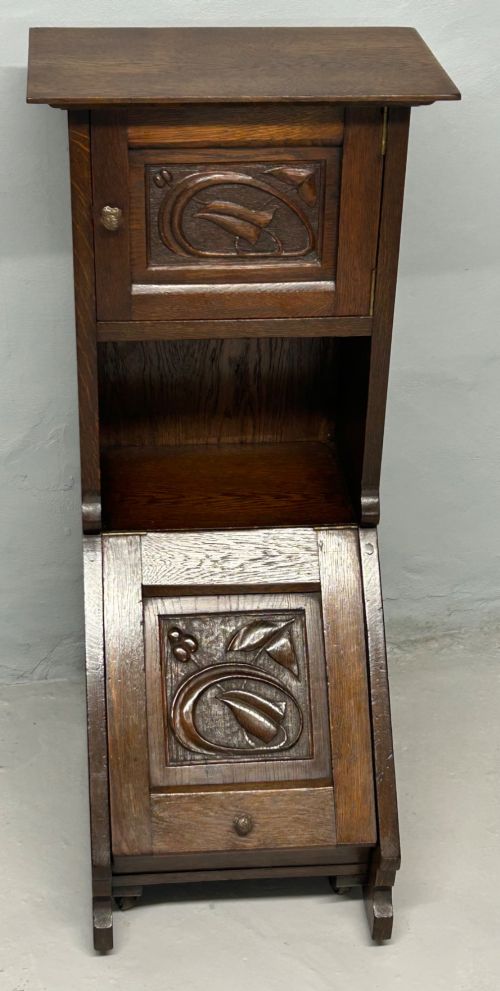
- Purdonium
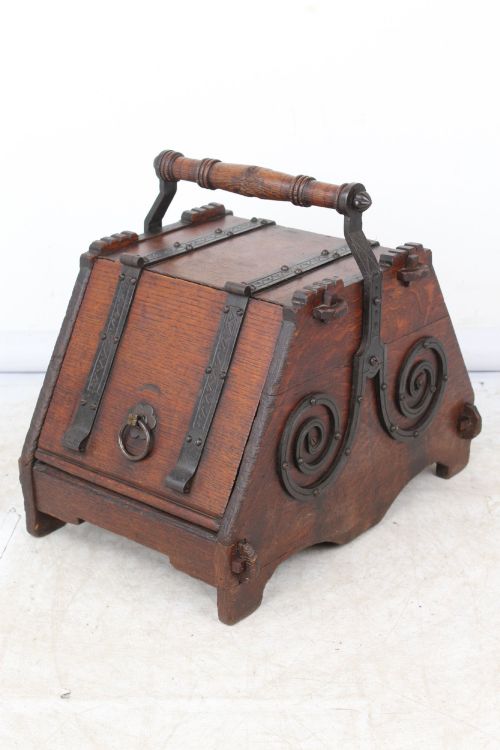
- A specialised household cabinet designed to hold coal, often featuring a sloping front and a metal liner. These items were produced in oak during the late nineteenth and early twentieth centuries.
Wooden Craft Box: Frequently Asked Questions
What is a wooden craft box used for?
These boxes serve as practical containers for organising sewing equipment, letters, jewellery, or stationery. Their divided interiors and lidded compartments keep small household items secure and tidy.
Historically, craftsmen built them for specific domestic tasks, allowing owners to keep writing materials or needlework neatly stored on desks and tables.
How do I date a wooden box?
Dating relies on examining the timber species, construction methods such as dovetailing or machine-cut screws, and stylistic details like Arts and Crafts carving or Art Nouveau lines. Hardware such as brass hinges and locks also provides chronological clues.
Comparing the overall form and decorative motifs to documented periods helps place the piece within the nineteenth or early twentieth century.
Are these boxes made of solid wood?
Many examples consist of solid timbers like oak, mahogany, or walnut, particularly those from the Victorian and Edwardian eras. Some pieces incorporate softer woods or applied veneers.
Construction methods varied according to the maker and the intended function of the box, with finer items utilising hardwood throughout.
How should I care for an antique box?
Maintain the wood by keeping the box away from direct heat sources and sudden humidity changes to prevent timber splitting or warping. Dust gently with a dry cloth and apply occasional specialist wax if the finish appears dry.
Avoid harsh chemical cleaners that can strip the historic patination accumulated on the surface over the decades.