





Wooden Coal Bucket Brass
A wooden coal bucket brass combines solid timber construction with durable metal mountings, serving as a practical fireside container shaped by centuries of hearthside tradition.
Wooden Coal Bucket Brass
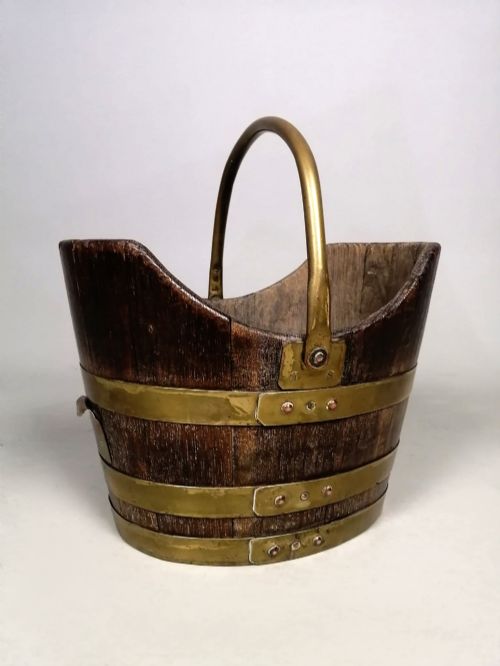
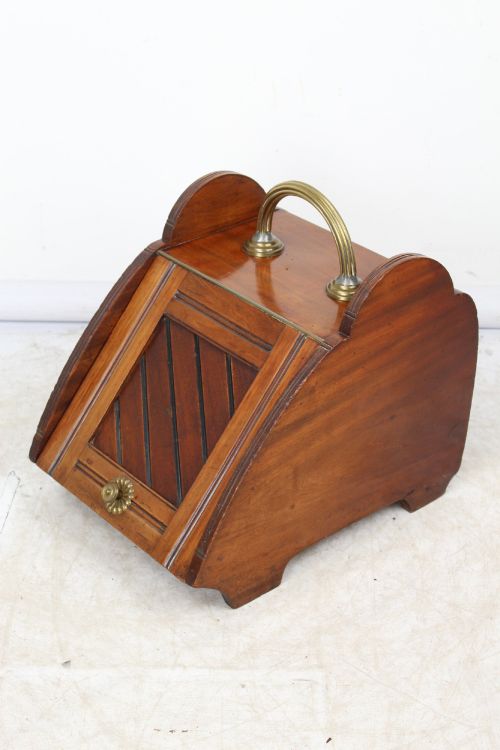
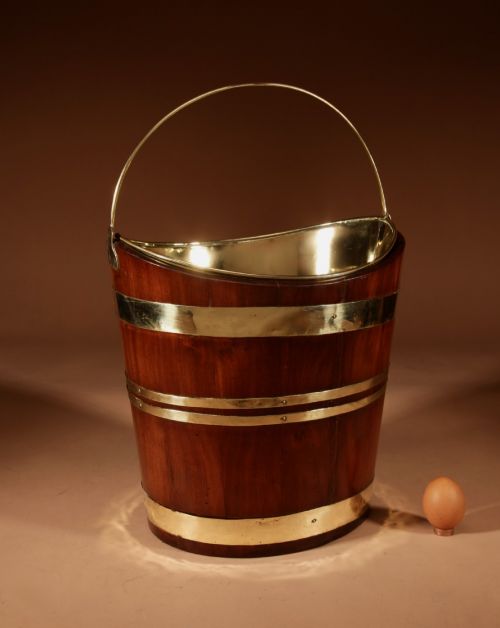
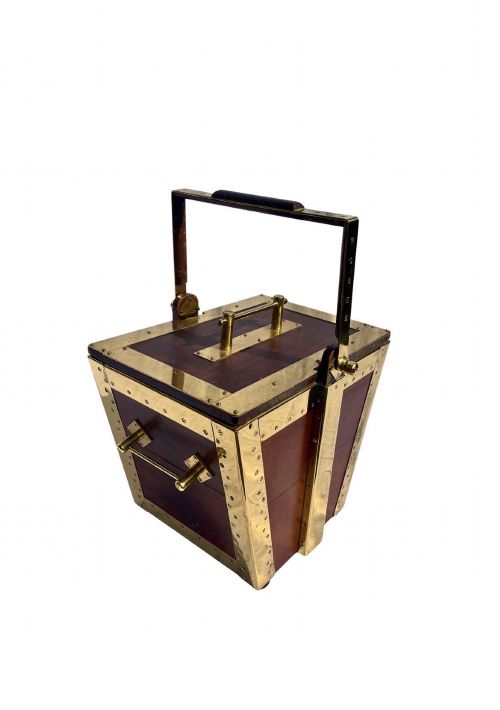
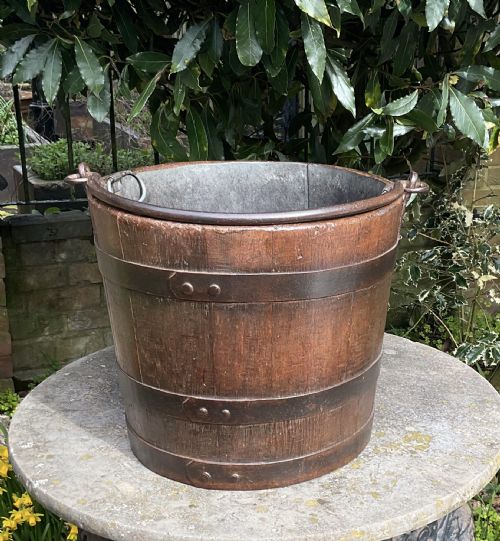
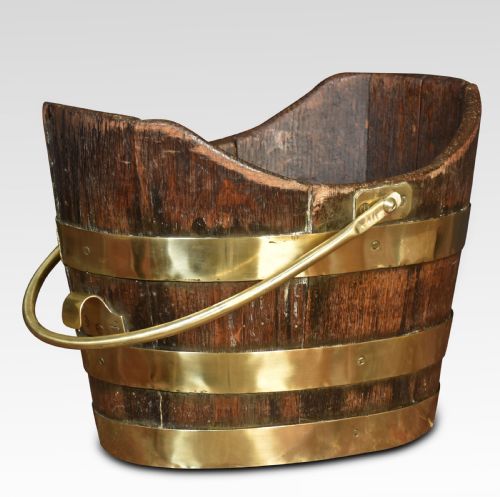
A wooden coal bucket brass brings together traditional hearthside function and robust materials, offering a sturdy vessel designed to hold fuel near an open fire. These items appear in various forms across this page, ranging from standard coal scuttles to peat buckets and coal boxes.
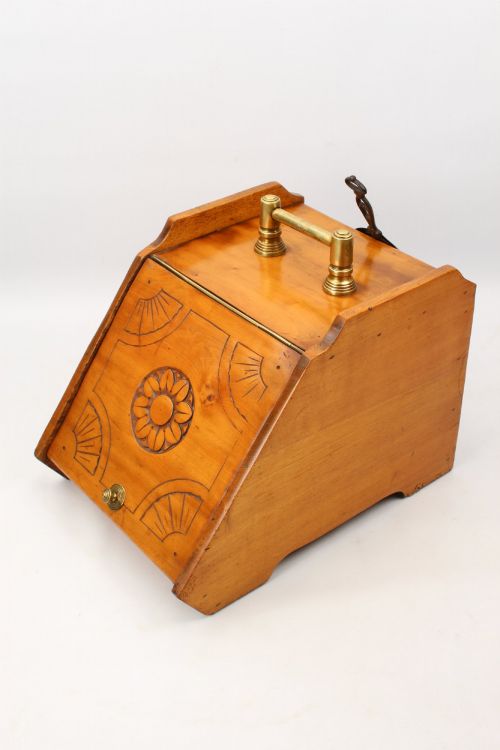
Originating largely from British and Dutch workshops, these pieces often incorporate drop handles, liners, and decorative mounts. Their forms vary from triangular bins and oval peat buckets to square-fronted coal boxes equipped with matching shovels.
Construction and Materials
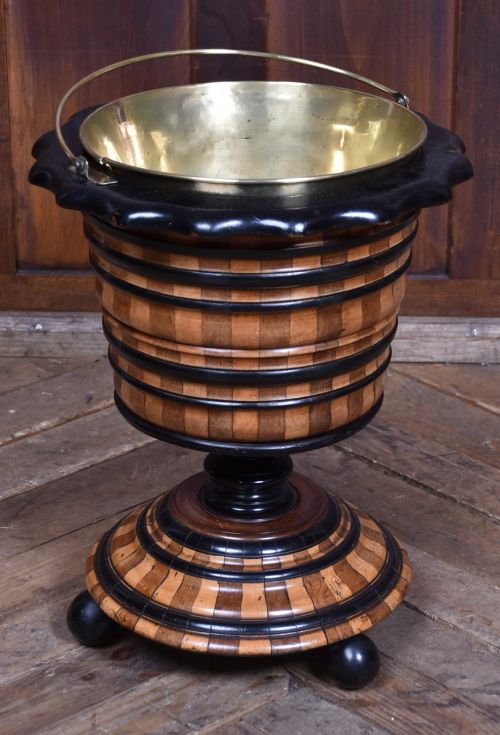
Craftsmen built these containers using dense hardwoods such as mahogany, oak, walnut, and ebonised wood, often employing cooperative stave construction to shape cylindrical or boat-like vessels. Metal components, particularly brass bands, handles, and mounts, reinforce the wooden bodies while providing structural stability.
Many examples feature interior metal liners designed to protect the timber from moisture and soot accumulation during daily use. Additional detailing includes carved wooden fronts, inlaid patterns, and riveted iron fixtures that secure the heavier handles and feet.
Wooden Coal Bucket Brass Retail Price Guide 2026
Typical asking prices for wooden coal bucket brass among the pieces listed under this phrase on Sellingantiques today, from the lower quarter to the upper quarter. They describe what is for sale here now, not the wider market.
The listings span multiple centuries, incorporating 18th-century Georgian designs alongside Victorian, Edwardian, and 1920s iterations.
Assessing Quality
The standard of a piece rests upon the precision of its timber selection and the integrity of its joinery, especially in coopered staves that must remain tight without modern adhesives. Superior examples display carefully matched wood grains, substantial brass banding fixed with period-correct fasteners, and original internal liners.
Proportion and decorative restraint separate finer workshop outputs from standard utility items, with well-shaped boat or oval profiles commanding greater visual presence. The survival of untouched surface patination, alongside working handles and original accompanying shovels, indicates a higher grade of preservation.
The Wooden Coal Bucket Brass Glossary
- Coopered
- A method of construction where tapered wooden staves are joined side by side and secured with metal hoops, traditionally used for barrels and buckets.
- Purdonium
- A box-like coal container featuring a sloping drop-front lid designed to make fuel retrieval easier beside a fireplace.
- Teestoof
- A Dutch container, often incorporating a liner, originally used to hold hot embers or peat for warming tea or feet.
- Schuitje
- A boat-shaped vessel style, frequently applied to peat buckets and jardinières originating from Dutch traditions.
Wooden Coal Bucket Brass: Frequently Asked Questions
What is a wooden coal bucket brass used for?
These containers were originally built to store coal, logs, or peat beside an open hearth for easy access during cold weather.
Today, they function as decorative fireside storage bins or as plant holders within period interiors.
How do I identify a Victorian coal scuttle?
Victorian examples often feature heavy mahogany or oak construction paired with embossed brass mounts, drop handles, and sometimes a dedicated compartment for a shovel.
They frequently display darker wood tones and robust build qualities characteristic of 19th-century manufacturing.
What is the difference between a bucket and a purdonium?
A bucket typically has an open top with a swinging vertical handle, relying on coopered staves or carved solid sides.
A purdonium is an enclosed box with a hinged or sloping front door designed to conceal the fuel completely.
Are these buckets safe to use with real fires?
Most antique pieces include original or replacement metal liners designed to contain dry fuel and prevent soot from staining the timber.
Users should inspect the interior liner for integrity before placing damp wood or loose coal inside.
How do I care for antique wood and brass?
The wooden exterior benefits from occasional light waxing to maintain the lustre of the grain and prevent the timber from drying out.
Brass bands and mounts can be left with an aged patina or gently cleaned with a non-abrasive cloth depending on personal preference.