

Wooden Clothes Stand
A wooden clothes stand organises garments and linens simply, bringing period craftsmanship directly into daily domestic life.
Wooden Clothes Stand
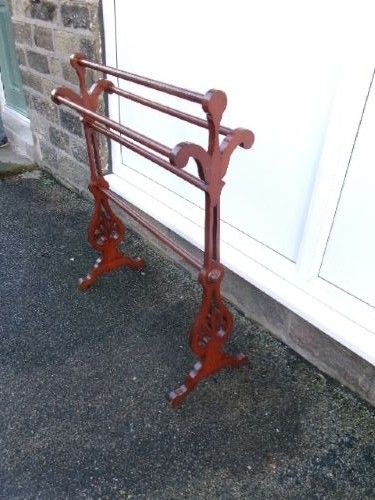
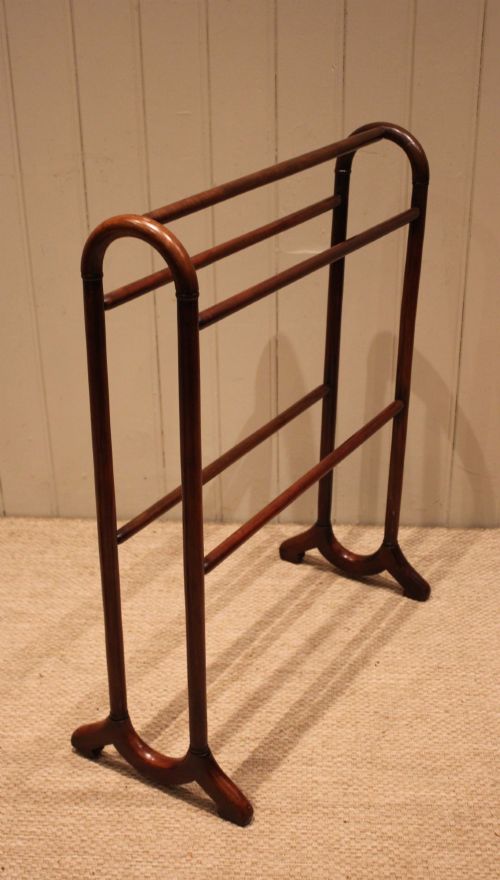
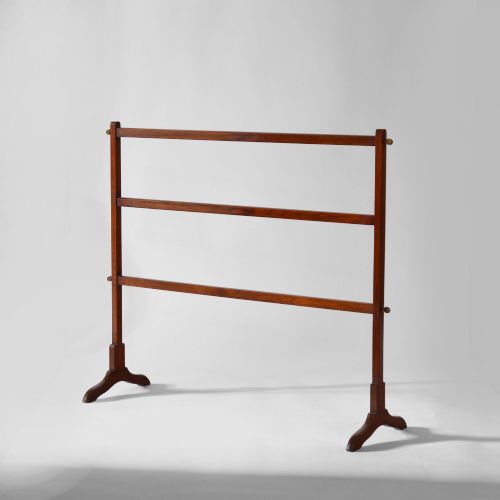
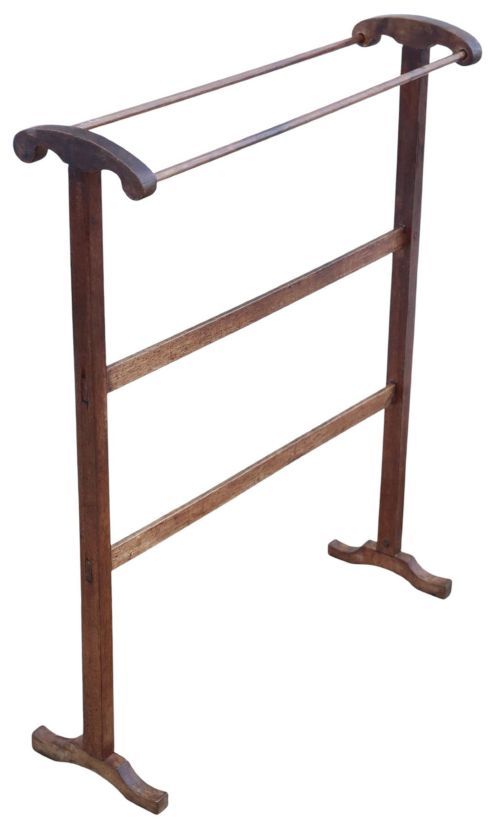
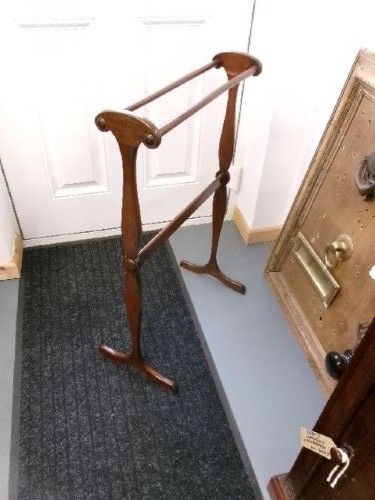
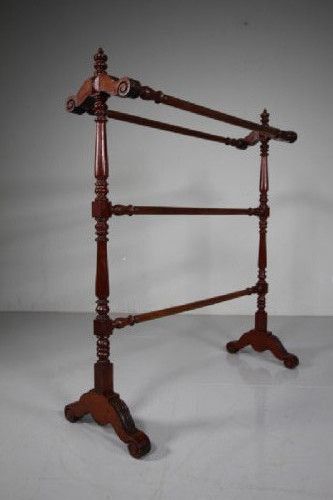
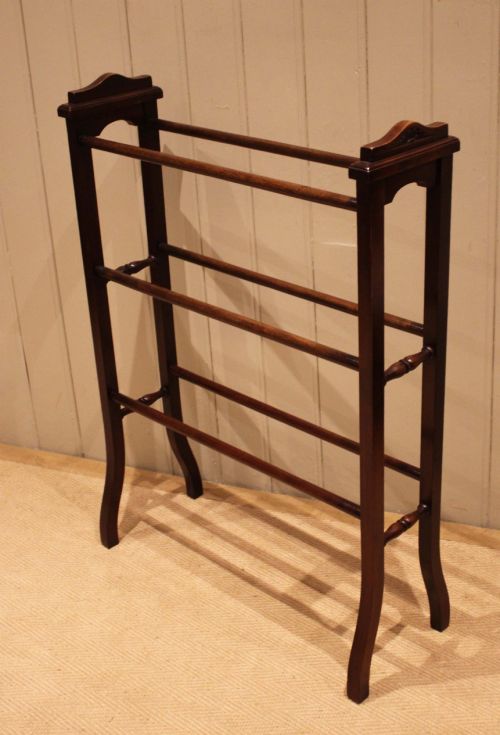
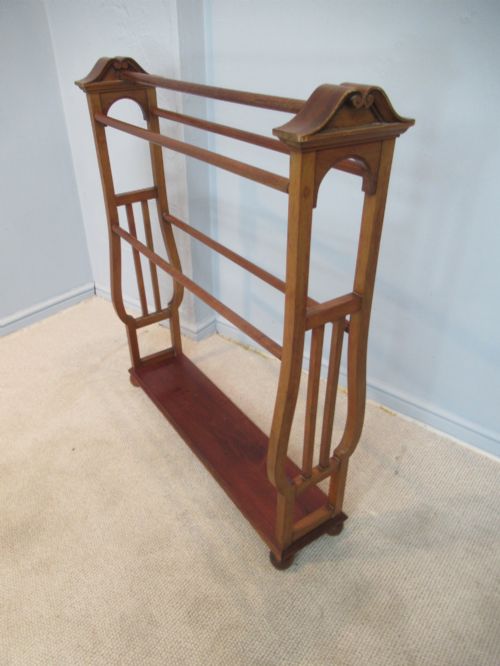
A wooden clothes stand encompasses various forms used for hanging garments, robes, and towels in domestic spaces. These items originate from periods spanning the nineteenth century through to the early twentieth century, reflecting shifting domestic habits.
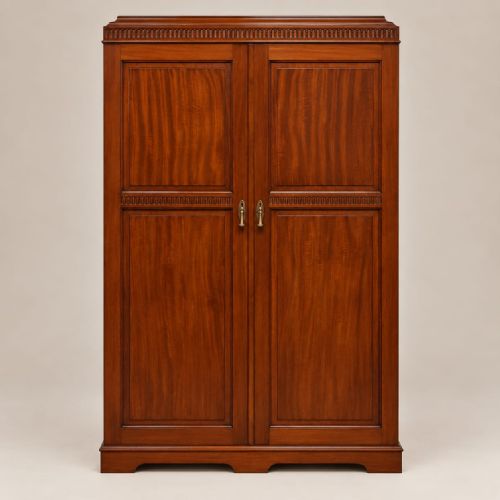
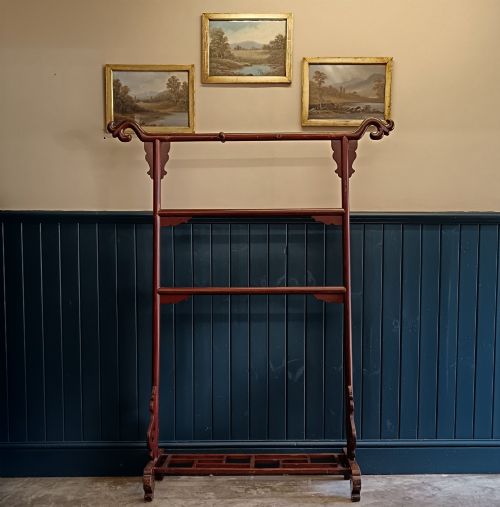
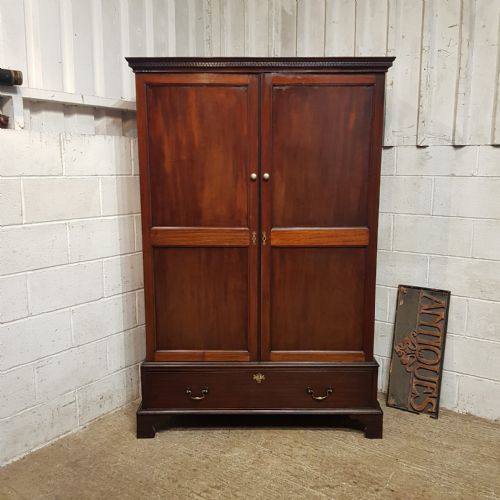
Beyond standard towel rails, the inventory includes specialised items such as portable wardrobes, valet stands, and lacquered Chinese robe stands. These variations provide functional solutions for bedrooms, halls, and dressing areas while maintaining traditional woodwork.
How they were made
Makers relied heavily on solid hardwoods like mahogany, oak, and walnut, alongside softer pine and lacquered wood surfaces. Joints were typically joined using traditional cabinet-making methods to ensure stability during daily use.
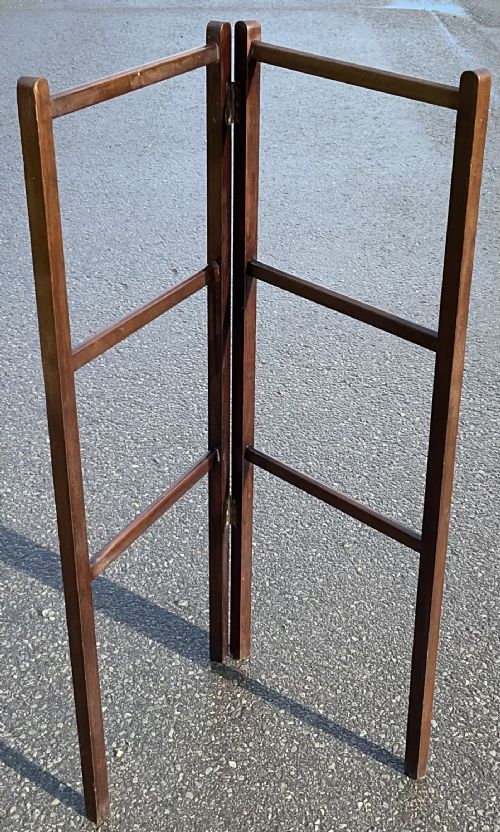
Metal components such as brass fittings, iron supports, and hinges frequently accompany the wooden frames, particularly on folding models and campaign pieces. Surface finishes include polished wood, black ebonised treatments, and decorative lacquer.
Wooden Clothes Stand Retail Price Guide 2026
Typical asking prices for wooden clothes stand among the pieces listed under this phrase on Sellingantiques today, from the lower quarter to the upper quarter. They describe what is for sale here now, not the wider market.
Some Victorian households utilised folding rails so extensively that even children's garments received miniature laundry equipment.
What varies in quality
The calibre of timber selection and the precision of the joinery set finer examples apart from utilitarian items. Superior pieces display carefully matched grain patterns and robust construction that withstands frequent folding or weight.
Proportion and detail distinguish workshop standards, from simple country pine rails to elaborately carved or inlaid mahogany frames. The presence of original hardware and well-preserved surface finishes also indicates a higher standard of manufacture.
Fratelli Rugitti·Gillows·Hartman Luggage Co·Louis Vuitton
The Wooden Clothes Stand Glossary
- Valet stand
- A freestanding piece of furniture designed to hold a suit, shirt, and accessories for the following day.
- Towel rail
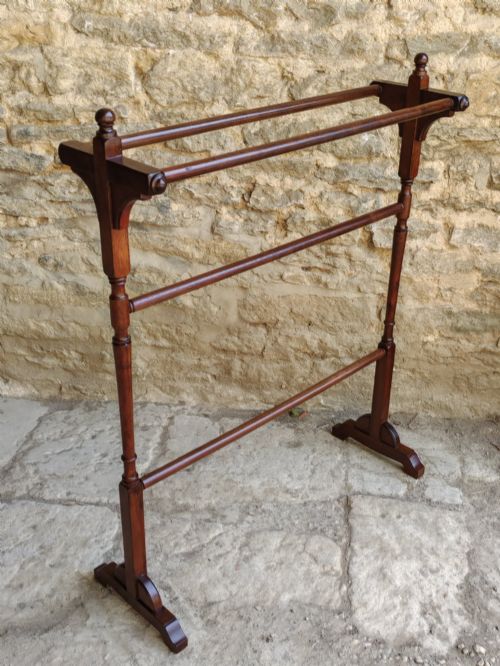
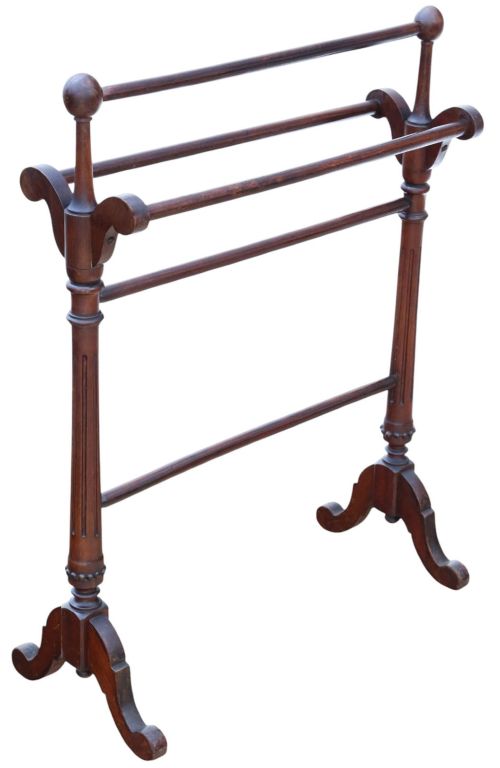
- A wooden frame with horizontal bars utilised for hanging textiles, frequently adapted for garments.
- Robe stand
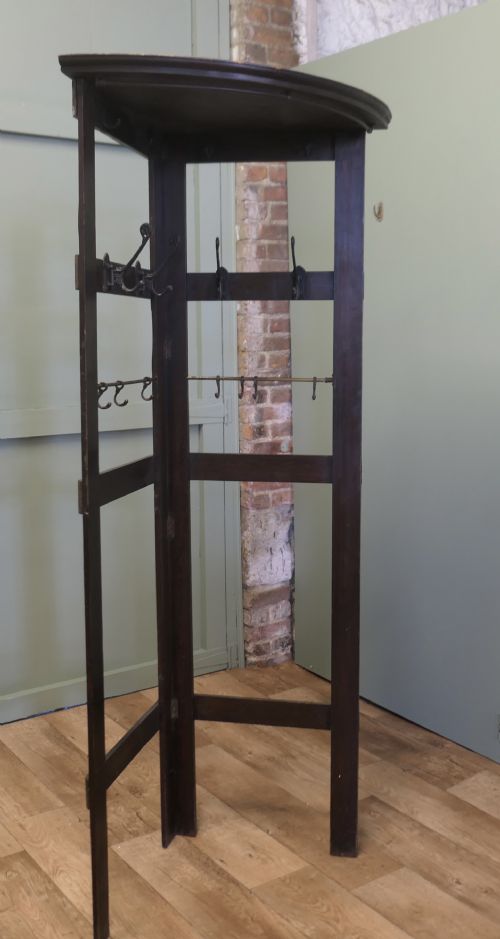
- A vertical frame or rack specifically constructed for hanging robes and outer clothing.
- Campaign furniture
- Portable pieces designed to fold or dismantle easily for travel and military use.
- Bentwood
- Wood heated and bent into curved shapes, often utilised for lightweight frames and racks.
Wooden Clothes Stand: Frequently Asked Questions
How do I use a wooden clothes stand today?
These stands fit naturally into bedrooms or bathrooms for airing garments, hanging daily wear, or displaying textiles.
Their slim profiles allow them to occupy minimal floor space while adding period character to modern interiors.
Are these stands suitable for heavy garments?
Most sturdy mahogany, oak, and walnut models easily support coats, trousers, and robes without losing balance.
Lighter folding pine or bamboo variations suit delicate items, towels, and lighter daily clothing.
How do I identify a Victorian piece?
Victorian examples frequently utilise dense mahogany or walnut with darker finishes and robust turned supports.
Proportions tend to be generous, reflecting the heavier domestic furnishings typical of the nineteenth century.
What is the difference between a valet and a rail?
A valet stand provides specific hangers and trays tailored for a complete suit, jacket, and accessories.
A towel rail or clothes rack offers simpler horizontal bars primarily intended for hanging multiple garments or textiles.