



Wooden Church Carving
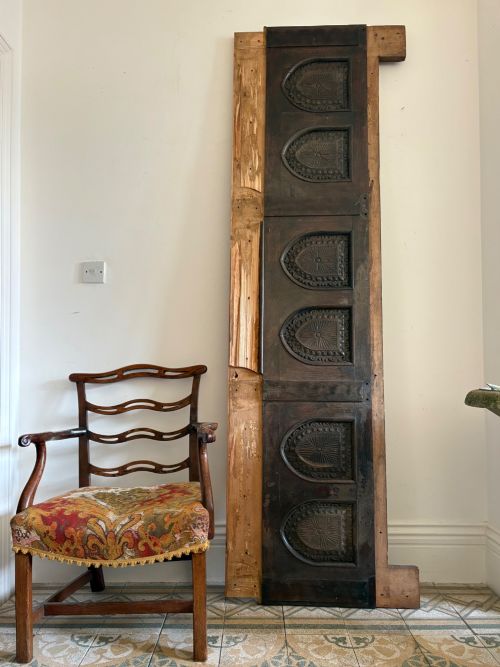
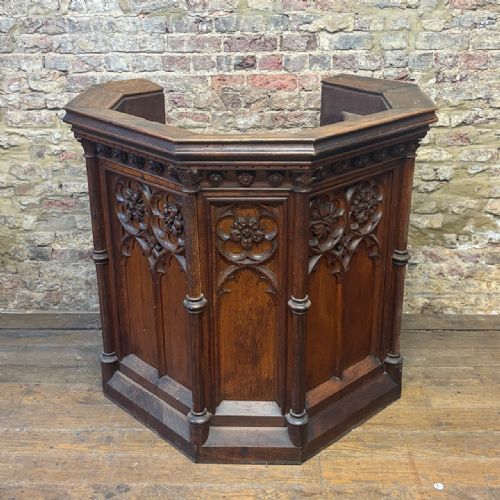
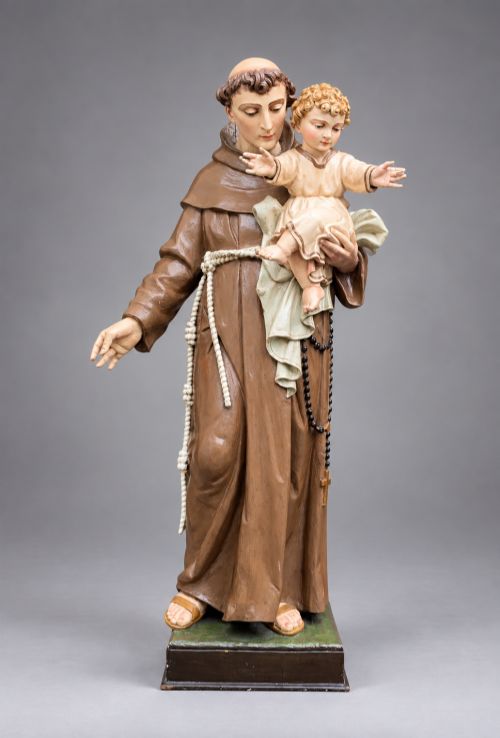
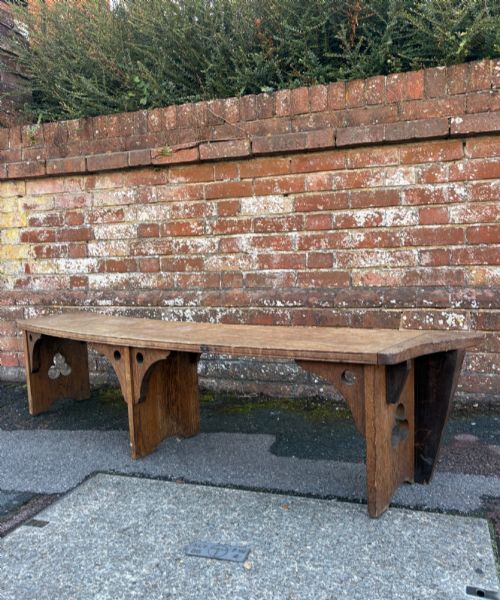
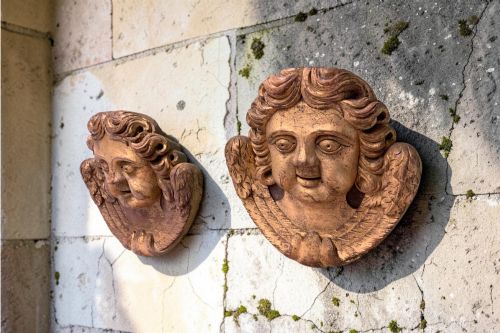
These wooden church carving examples bring centuries of ecclesiastical craftsmanship into domestic spaces through benches, figures, and architectural panels.
Wooden Church Carving
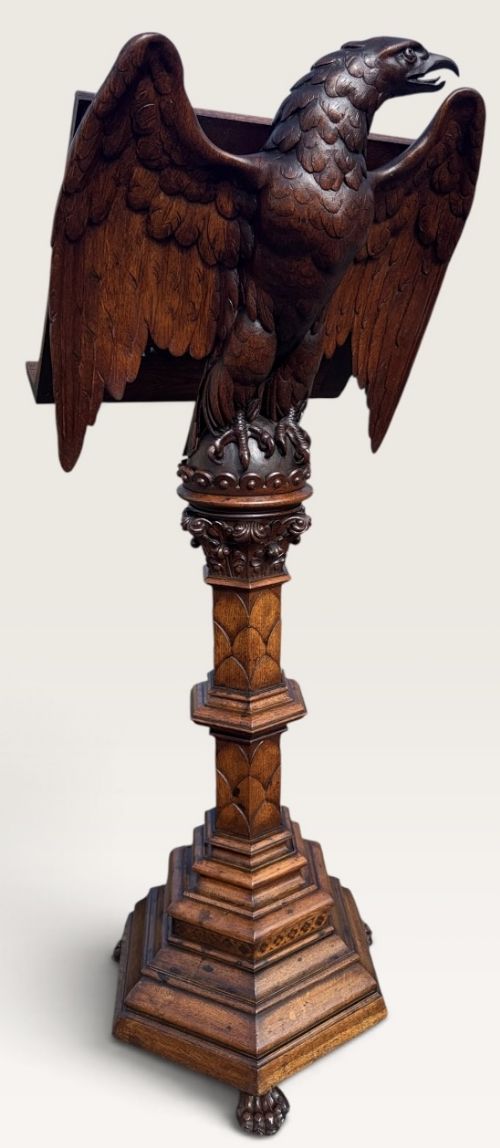
Wooden church carving encompasses functional seating, sculptural figures, and architectural elements drawn from centuries of religious practice. Buyers exploring this category encounter oak benches, polychrome statues, and lecterns spanning the sixteenth century to the Edwardian era.
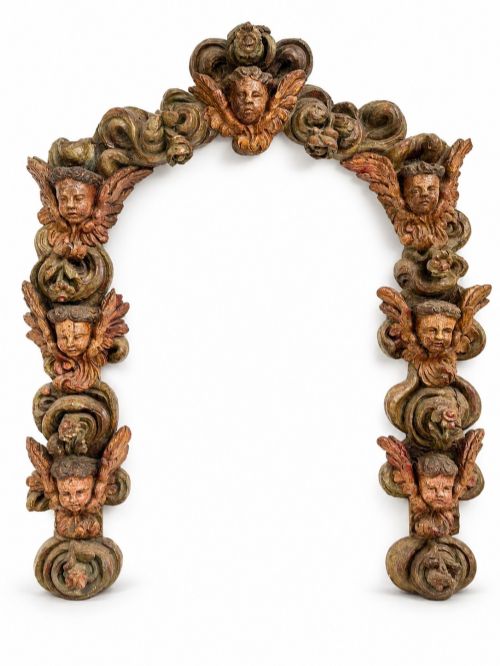
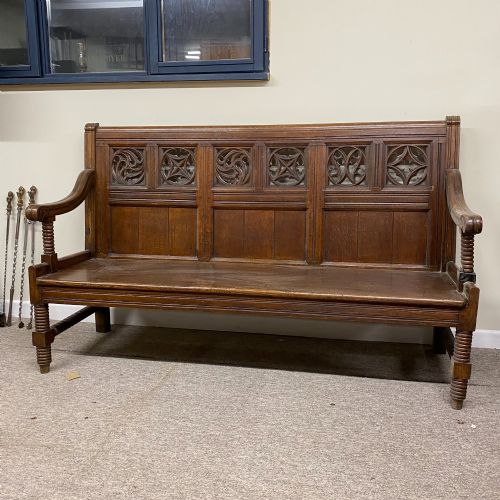
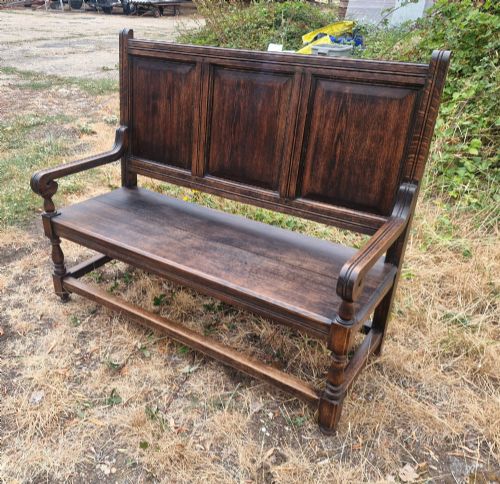
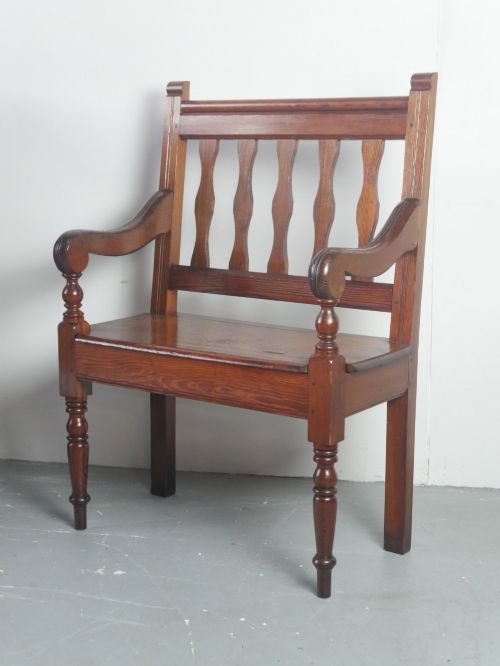
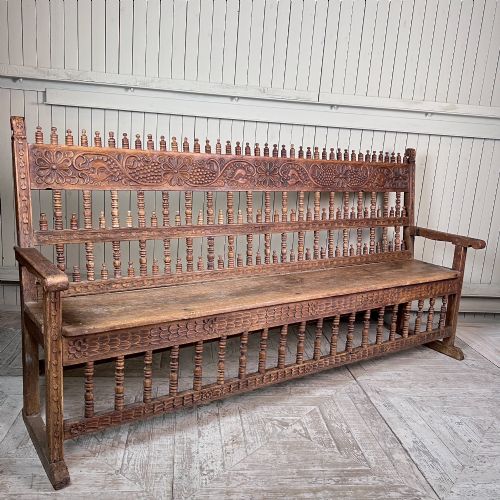
The most common forms on this page include sturdy oak benches and pews, alongside architectural panels and carved figures of saints and angels. Continental and English workshops contribute both utilitarian church furniture and devotional objects.
Materials and methods
Oak serves as the primary structural material for most seating, panels, and lecterns, prized for its durability and grain. Artisans also utilised softer pines and hardwoods for specific regional forms.
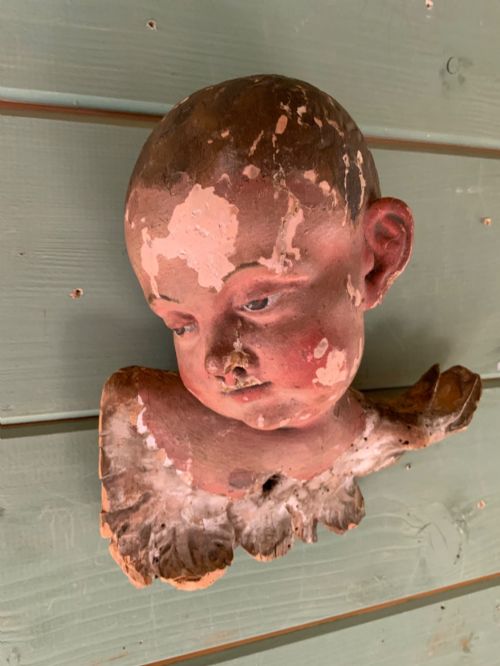
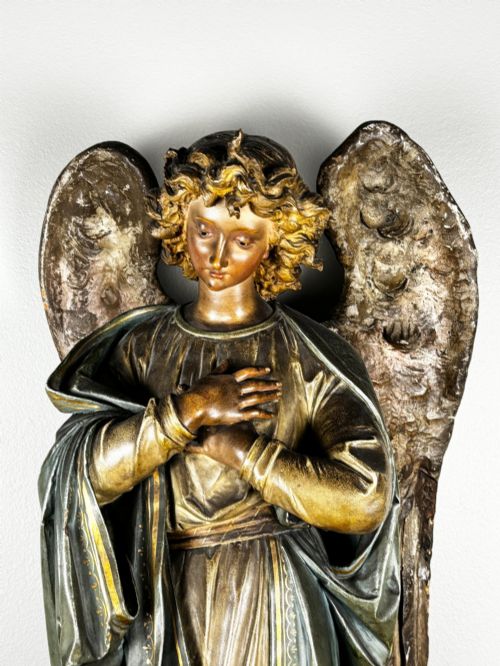
Surface decoration frequently involves polychrome paint, gesso, and gold leaf applied to carved wood figures. Hand-chiselled detailing defines architectural tracery and figural sculptures across different periods.
Wooden Church Carving Retail Price Guide 2026
Typical asking prices for wooden church carving among the pieces listed under this phrase on Sellingantiques today, from the lower quarter to the upper quarter. They describe what is for sale here now, not the wider market.
Factors of quality
Depth and precision of the hand-carving distinguish finer pieces from simpler utilitarian items, particularly in facial expressions on figures and crispness of architectural tracery. The integrity of original surface finishes, such as early polychrome paint or gilding, alters the character of sculptural works.
Proportion and scale dictate the visual weight of larger items like benches, lecterns, and life-size figures. Timber selection and joinery methods further separate standard ecclesiastical joinery from masterwork figural sculpture.
The Wooden Church Carving Glossary
- Poppy head
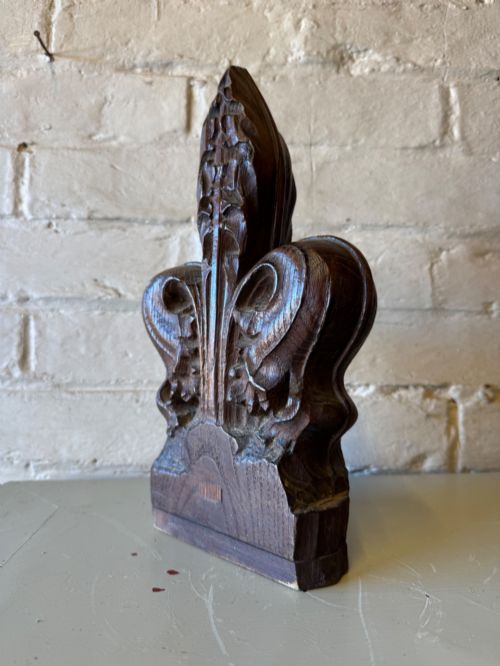
- An ornamental carved finial topping the end of a bench or pew, often shaped like foliage or human forms. They appear frequently on early oak seating.
- Polychrome
- Decoration consisting of several colours applied to wood sculpture or architectural elements. This technique brings depth and realism to carved figures of saints and angels.
- Gesso
- A plaster-like mixture applied to wood as a base for painting or gilding. It provides a smooth surface for intricate detail work on ecclesiastical panels.
- Tracery
- Architectural stone-inspired openwork patterns translated into wood panels and screens. This style characterises Gothic Revival items.
- Pricket
- A sharp metal spike on a candlestick designed to hold a candle securely in place. These form part of liturgical altar furnishings.
Wooden Church Carving: Frequently Asked Questions
How do I date an oak church panel?
Dating relies on stylistic clues, tool marks left by the maker, and the method of assembly. Joinery techniques and the complexity of the carved motifs align with specific historical periods.
Secondary indicators include surface wear and timber shrinkage patterns that develop over centuries. Comparing the carving style to documented architectural elements provides further context.
Where should I place a large carved figure?
Life-size figures and statues require stable wall support or sturdy floor placement away from direct heat sources. Placing them in hallways or principal rooms highlights their sculptural presence.
Consider the lighting in the room to accentuate the depth of the carving and any remaining polychrome or gilt surfaces. Adequate clearance lets the proportions of the piece read correctly.
Can I use an antique church bench daily?
Sturdy oak pews and hall benches are built for heavy use and function well in modern hallways or dining spaces. Checking the structural stability of the joints ensures safe seating.
Applying appropriate wax maintains the timber without building up heavy residues. Regular use suits these robust forms well.
What is the difference between Gothic and Gothic Revival?
Original Gothic pieces date from the medieval period, showing period-specific construction and wear. Gothic Revival items date from later centuries, particularly the Victorian era, when designers copied medieval forms.
Revival pieces often utilise machine assistance alongside hand work, whereas medieval items rely entirely on hand-hewn methods. Both share similar architectural vocabulary.