

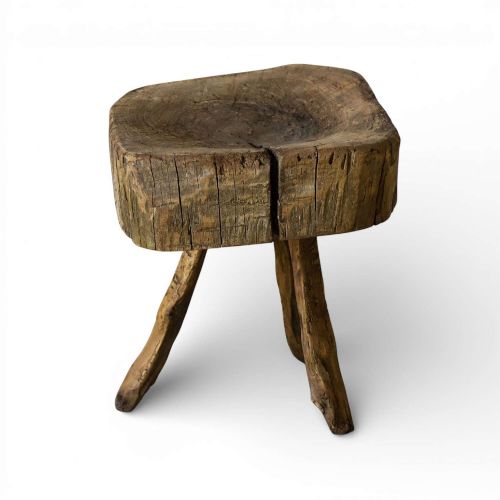


Wooden Chopping Block Table
These heavy wooden chopping block table pieces bring honest utility and character into a kitchen through dense timber tops and sturdy stands.
Wooden Chopping Block Table
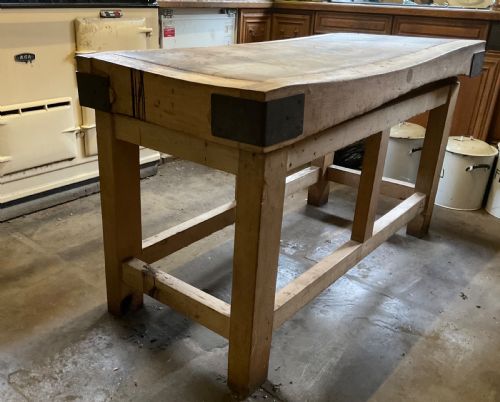
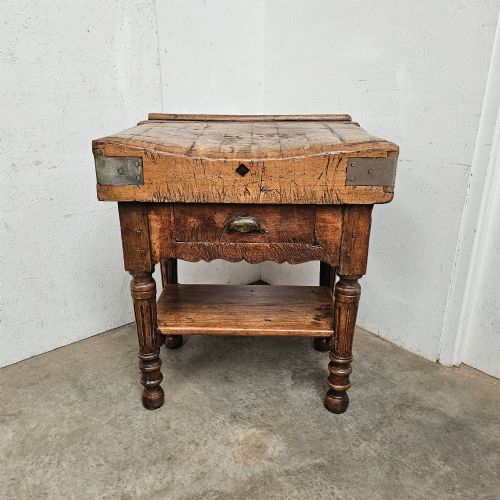
When you search for a wooden chopping block table, you are looking at heavy functional furniture designed for food preparation in kitchens. The selection spans the 19th Century, Victorian, and Edwardian eras, reaching into the mid-twentieth century with pieces from 1950, 1920, and 1930. These items serve equally well as kitchen islands or freestanding work surfaces.
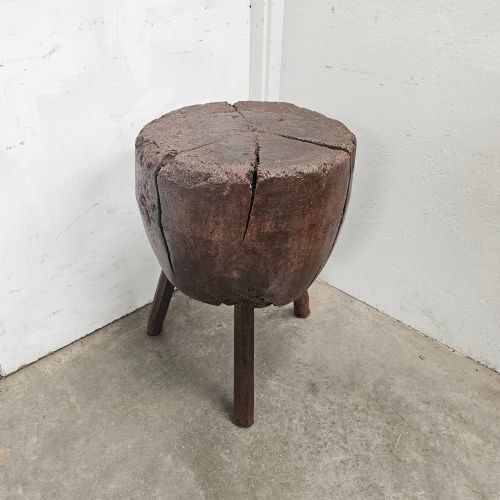
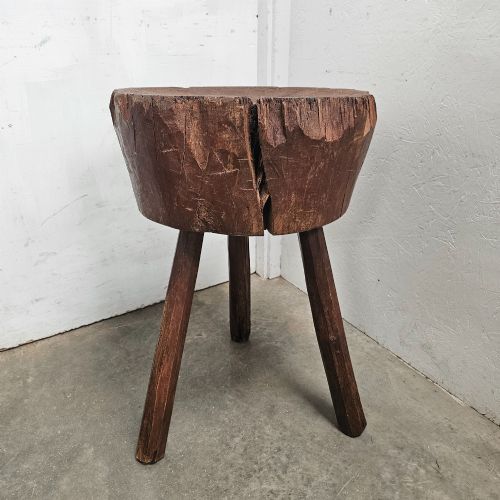
You are most likely to meet French Provincial, French Country, and Rustic Country examples on this page, often described as vernacular rural or primitive country styles. Many pieces originate from France, constructed from beech or elm, while others hail from Hungary or general rustic workshops. They arrive either as standalone blocks or mounted on original gnarled legs, metal frames, and decorative bases.
How they were made
Makers built these pieces using dense hardwoods such as beech, oak, elm, and general timber, selecting them for their ability to withstand heavy daily impacts. The tops consist of thick wooden blocks bound tightly together to absorb the force of constant chopping and game preparation.
Structural support comes from robust timber stands, iron components, and steel frameworks. Some incorporate original gnarled legs or decorative wooden bases that elevate the heavy working surface to a comfortable height.
Wooden Chopping Block Table Retail Price Guide 2026
Typical asking prices for wooden chopping block table among the pieces listed under this phrase on Sellingantiques today, from the lower quarter to the upper quarter. They describe what is for sale here now, not the wider market.
The inventory spans the 19th Century, Victorian, Edwardian periods, and extends into the 1950s.
What varies in quality
The distinction between ordinary and exceptional pieces lies in the substance of the timber top and the integrity of its base. A superior block displays deep, honest wear from decades of genuine kitchen use, retaining its original proportions without modern alterations.
Construction details also dictate standing power, separating simple timber frames from decorative iron bases and original gnarled legs. The harmony between the heavy chopping surface and its supporting stand defines the overall presence of the piece.
The Wooden Chopping Block Table Glossary
- Beech
- A dense, pale hardwood frequently used for heavy kitchen surfaces and game blocks due to its resistance to splitting.
- Elm
- A tough, interlocking timber favoured in vernacular rural furniture for its strength and distinctive grain.
- Primitive Country
- A style reflecting unpretentious, utilitarian craftsmanship from rural regions without decorative refinement.
- Game Block
- A specialised heavy chopping surface traditionally utilised for preparing wild game and fowl.
Wooden Chopping Block Table: Frequently Asked Questions
What is a wooden chopping block table?
It is a heavy, functional work surface built from dense timbers like beech, oak, or elm. These pieces were originally designed for rigorous kitchen tasks and butchery.
Today, they function as substantial kitchen islands and focal points in domestic spaces. Their durable construction makes them practical for modern food preparation.
How do I care for the wooden top?
Maintain the timber surface by cleaning it with gentle methods and avoiding excessive moisture. Regular oiling helps nourish the dense hardwood.
Treating the wood properly preserves the aged patina developed over centuries of use. This keeps the chopping block hygienic and structurally sound for daily tasks.
Can I use it as a kitchen island?
These blocks serve wonderfully as central kitchen islands due to their height and solid footprint. They provide ample surface area for cooking and food assembly.
Freestanding versions allow for flexible placement within various kitchen layouts. Their robust weight ensures stability during heavy culinary work.
How do I date a butcher block?
Dating relies on examining the timber species, construction methods, and the style of the base. Pieces range from 19th Century French examples to mid-twentieth-century designs.
Hardware details like iron and steel components also offer clues to the era of manufacture. Original gnarled legs and decorative bases often point to specific regional vernacular traditions.