



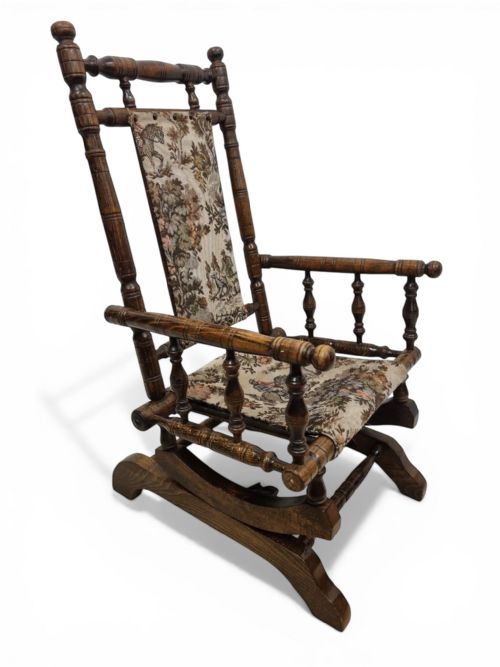


Wooden Childrens Furniture
These wooden childrens furniture pieces bring scaled-down craftsmanship into the home, offering diminutive chairs, desks and rockers that survive from past centuries.
Wooden Childrens Furniture
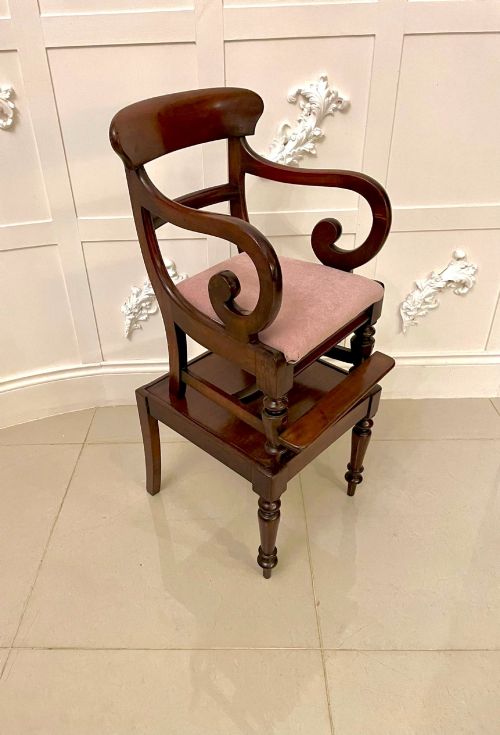
When searching for wooden childrens furniture, buyers encounter small-scale seating and desks created for domestic use across Georgian, Victorian and twentieth-century periods. The most common survivals on this page are childs chairs, armchairs and high chairs constructed in various regional and formal styles.
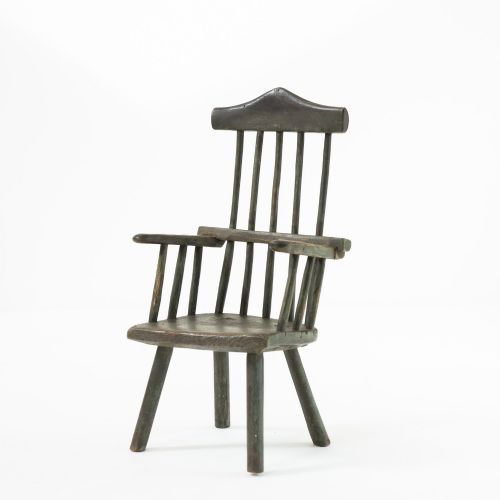
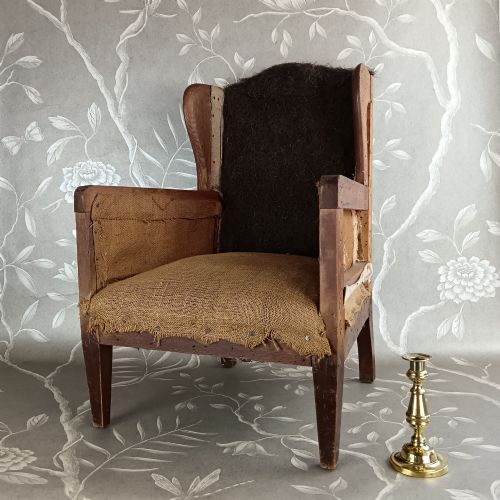
Makers produced these functional items in forms ranging from primitive vernacular stick-back designs to refined mahogany high chairs and desks. Examples span simple elm country seating to elaborately framed bergere and wingback armchairs.
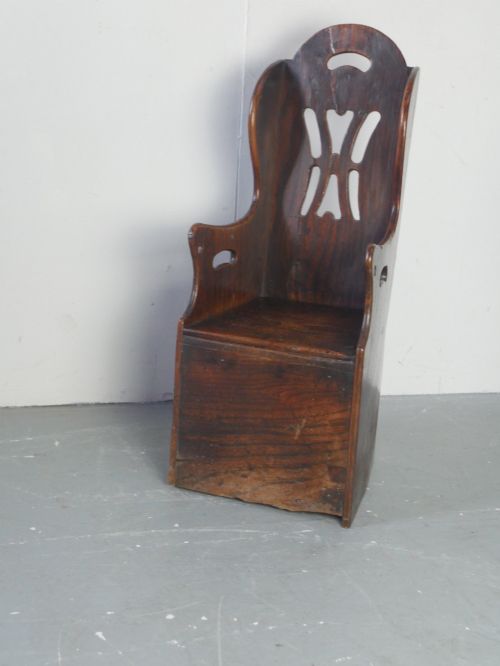
Pieces reflect the domestic requirements of past eras, including potty chairs and commodes alongside standard seating and writing desks. These functional objects reveal how households accommodated children within period interiors.
Construction and Materials
Craftsmen utilised native timbers including elm, oak, ash, yew and mahogany to build durable frames capable of withstanding daily use. Carpenters frequently combined woods, pairing ash and elm within single pieces for structural strength.
Joinery methods varied from rustic stick-back and spindle construction to formal cabinetmaking techniques seen in mahogany and walnut pieces. Additional elements such as cane, brass, leather and tapestry upholstery appear on specific high chairs, armchairs and desks.
Wooden Childrens Furniture Retail Price Guide 2026
Typical asking prices for wooden childrens furniture among the pieces listed under this phrase on Sellingantiques today, from the lower quarter to the upper quarter. They describe what is for sale here now, not the wider market.
A playworn rocking horse stands ready for action, proving that past children treated their stables with just as much enthusiasm as their chairs.
Assessing Quality
Quality rests upon the integrity of the timber selection and the fidelity of the scaled-down proportions relative to full-size equivalents. Master cabinetmakers applied the same decorative vocabulary and joinery standards to children's pieces as they did to adult furniture.
The degree of original surface preservation and the retention of secondary materials like cane panels or upholstery define the standing of individual items. Vernacular pieces derive distinction from robust joinery and honest patination acquired through domestic wear.
Pairs MFG Co·Heals·Collinsons
The Wooden Childrens Furniture Glossary
- Stick Back
- A chair construction method where turned spindles or round-section sticks are inserted directly into the seat board. This method appears frequently in country vernacular furniture.
- Windsor Chair
- A wooden seating form featuring a solid saddle-shaped seat into which the legs and back spindles are wedged. These chairs often incorporate bentwood bows for the backrest.
- Bergere
- An upholstered armchair with enclosed sides typically filled with canework or wicker. In smaller scales, this technique provides lightweight support for high chairs.
- Commode Chair
- A piece of seating furniture enclosing a chamber pot beneath a removable seat or lid. These utilitarian items were standard domestic equipment in past centuries.
- Spindle Back
- A chair back composed of numerous thin, turned wooden uprights arranged vertically. This technique offers light yet rigid support in regional seating.
Wooden Childrens Furniture: Frequently Asked Questions
How were wooden high chairs used?
High chairs elevated children to table height for family meals, often incorporating enclosed seating areas to keep young occupants secure. Many featured removable trays or stands to assist parents during feeding times.
These pieces combined robust undercarriages with footrests to ensure stability and comfort during daily domestic routines. Their scaled-down dimensions reflect the practical domestic arrangements of Georgian and Victorian households.
What defines a primitive vernacular chair?
Primitive vernacular pieces rely on local timbers and straightforward carpentry rather than formal cabinetmaking rules. They display unpretentious lines, visible joinery, and direct construction methods suited to country workshops.
These chairs prioritised utility and durability over stylistic fashion, utilising woods like elm and ash. Over time, handling develops a rich surface patina unique to these regional objects.
How do I date a child's Windsor chair?
Dating depends on the turning style of the legs, the shaping of the seat, and the profile of the central bow. Earlier examples from the eighteenth century typically show more refined saddle seats and lighter spindle arrangements.
Nineteenth-century variants often incorporate heavier turned undercarriages and more standardised production methods. Examining the species of wood and the tool marks beneath the seat provides further chronological clues.
Can antique children's furniture be used today?
These items were built for actual use by children, utilising sturdy timbers like oak, mahogany and elm. While many retain structural stability, buyers often treat them as decorative display pieces or collectable antiques rather than nursery equipment.
Placing them in modern interiors highlights historical craftsmanship at a reduced scale. Careful placement away from direct heat sources helps preserve the aged timber and any surviving upholstery.