
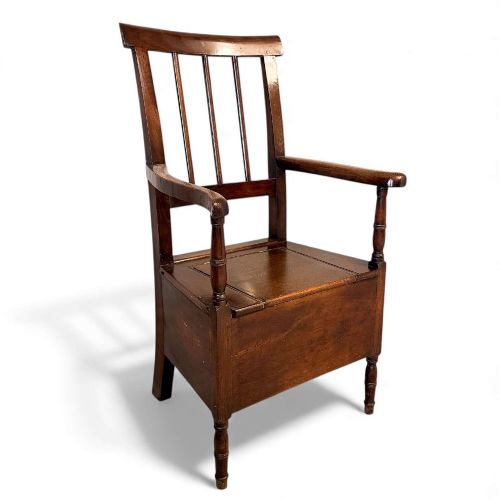

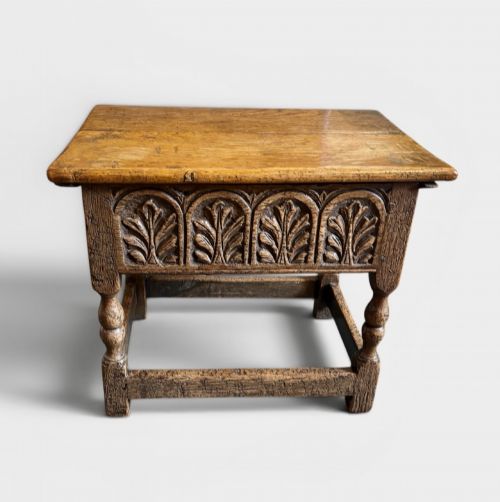


Wooden Box Stool
These wooden box stool pieces combine seating with concealed storage, offering a practical antique form shaped from solid timber over centuries of domestic life.
Wooden Box Stool
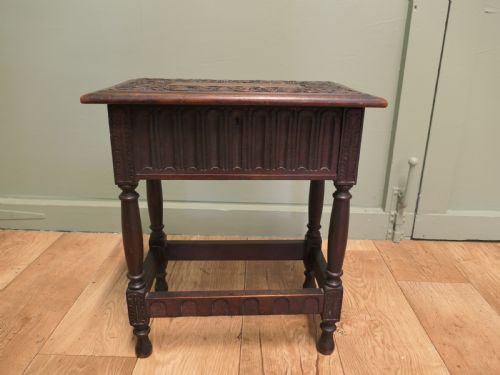
A wooden box stool serves as a dual-purpose item providing both an elevated seat and an internal compartment for storage, sewing work, or personal sanitation. When buyers search for a wooden box stool, they encounter seventeenth, eighteenth, and nineteenth-century examples spanning oak, mahogany, and walnut timbers.
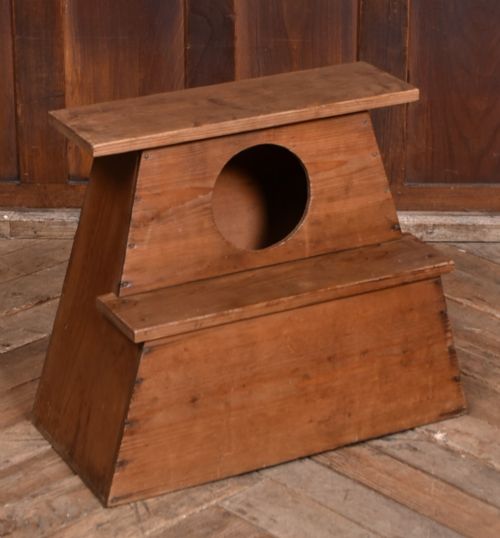
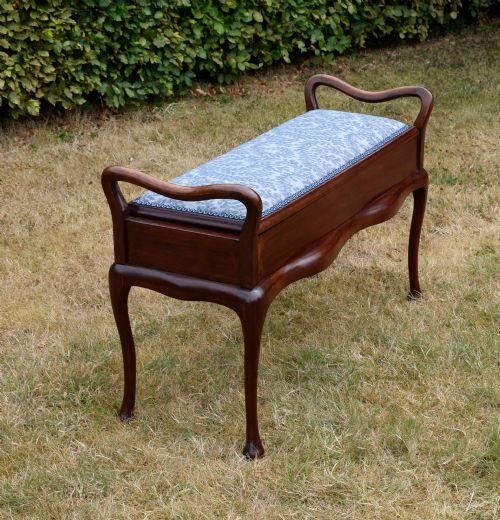
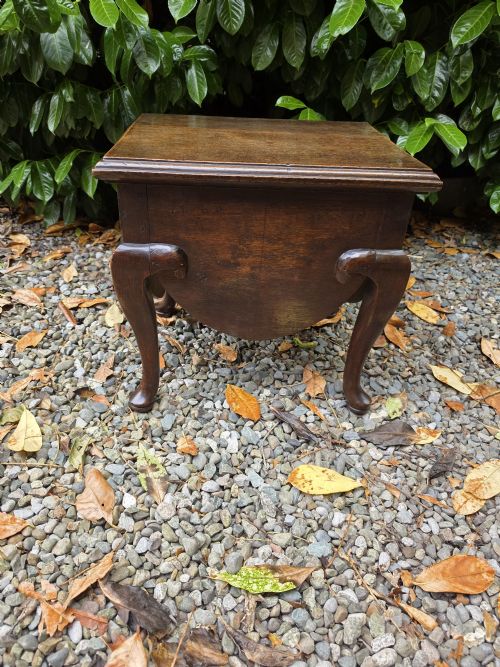
The selections on this page range from early close stools and commode chairs to later piano stools, slipper boxes, and work boxes. Oak versions often date from the seventeenth and eighteenth centuries, displaying pegged construction and carved details, whilst mahogany and walnut forms frequently emerge from the Georgian and Victorian eras.
Many of these utilitarian items doubled as occasional tables, step stools, or sewing boxes within domestic interiors. The survival of such functional furniture demonstrates how past households maximised small living spaces through clever compartment design.
Materials and construction methods
Cabinetmakers and joiners constructed these seats primarily using native and imported hardwoods like oak, mahogany, cedar, and walnut, frequently reinforced with iron or brass hinges, brackets, and handles. Early seventeenth and eighteenth-century pieces rely heavily on solid oak with pegged joints, reflecting traditional joinery techniques.
Later nineteenth-century iterations incorporate mahogany and cedar, sometimes upholstered with fabric seats for added comfort during musical performance or needlework. Surface finishes range from natural waxed grain to carved decorative motifs reflecting Jacobean, Georgian, and Victorian Gothic Revival influences.
Some nineteenth-century box seats disguised their morning sanitary duties so cleverly that guests mistook them for innocent music cabinets.
Distinguishing quality in box stools
Quality in these pieces depends on the integrity of the timber, the sophistication of the joinery, and the preservation of original internal compartments and hardware. Heavy, dense oak timbers and well-executed hand-carving elevate seventeenth-century examples, whereas later mahogany versions rely on clean proportions and intact lid hinges.
The survival of internal mechanisms, such as original commode inserts, bidet liners, or pivoting work-box trays, distinguishes fine utility pieces from altered survivors. Furthermore, crispness in period carving styles - such as Jacobean strapwork or Queen Anne cabriole leg shaping - separates master craftsmanship from provincial work.
The Wooden Box Stool Glossary
- Close stool
- An early form of indoor sanitation furniture comprising a wooden box enclosure with a lidded seat concealing a chamber pot. These items were essential bedchamber furniture before plumbed bathrooms became common.
- Commode chair
- A seated piece of furniture fitted with an enclosed commode pan or bidet basin beneath the lift-up lid or removable seat. They date across the seventeenth, eighteenth, and nineteenth centuries.
- Joint stool
- A sturdy wooden stool built with mortise and tenon joints fastened by wooden pegs rather than glue. They provided versatile seating and occasional table surfaces in early homes.
- Bidet
- A low basin-form furniture piece designed for personal hygiene, enclosed within a mahogany or timber box frame during the nineteenth century. They often feature hinged lids matching adjacent bedroom cabinetry.
- Ottoman
- A padded upholstered seat lacking arms or a back, frequently constructed with a hinged top for storing textiles or work materials. Regency and Victorian examples often served as work boxes.
Wooden Box Stool: Frequently Asked Questions
What is the difference between a close stool and a box stool?
A close stool specifically incorporates an internal cavity designed to hold a chamber pot or sanitary pan beneath a lidded seat. A general wooden box stool provides a plain storage compartment for household items, textiles, or personal belongings.
Whilst their exterior silhouettes can appear remarkably similar, interior fittings and lining remnants usually reveal the original domestic function of early sanitary examples.
How do I date an antique oak box stool?
Dating relies on examining construction techniques, timber selection, and decorative styles visible across the frame. Seventeenth-century examples typically feature pegged oak joinery, hand-carved panels, and heavier proportions.
Later eighteenth and nineteenth-century pieces adopt refined lines, mahogany or walnut veneers, and machine-cut hardware that reflect prevailing Georgian or Victorian tastes.
Were piano stools used for seating only?
Duet piano stools and music seats frequently incorporated internal compartments specifically built to store sheet books, manuscripts, and small instruments. This dual purpose kept musical accessories organised near the instrument.
Lift-up upholstered lids grant access to these shallow wooden wells, combining comfortable padded seating with practical living-room storage.
Can these stools be used as regular occasional tables?
Many sturdy box stools and joint stools function effectively as small side tables or bedside stands within modern rooms. Their flat wooden tops and compact proportions suit placement beside chairs or sofas.
Care should be taken to protect antique polish from moisture and heavy impacts when utilising storage seating for daily display purposes.