





Wooden Box Seat Chair
A wooden box seat chair combines a sturdy seat with hidden storage, offering a practical piece of furniture built to endure.
Wooden Box Seat Chair
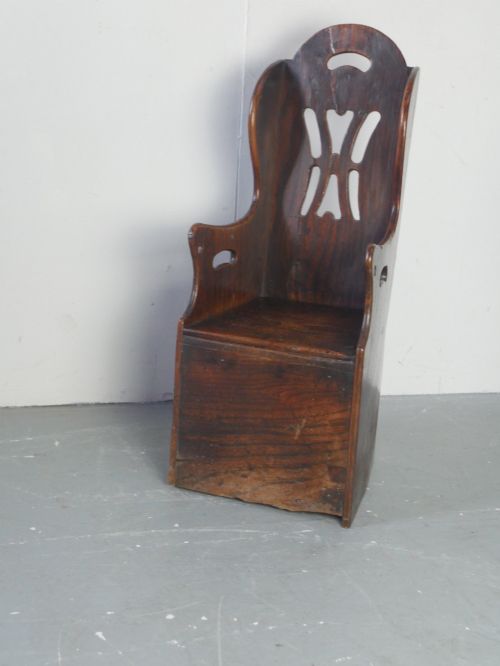
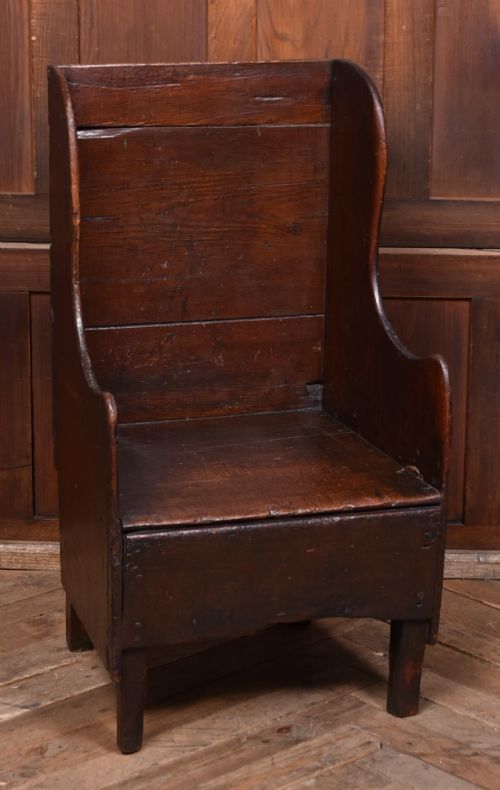
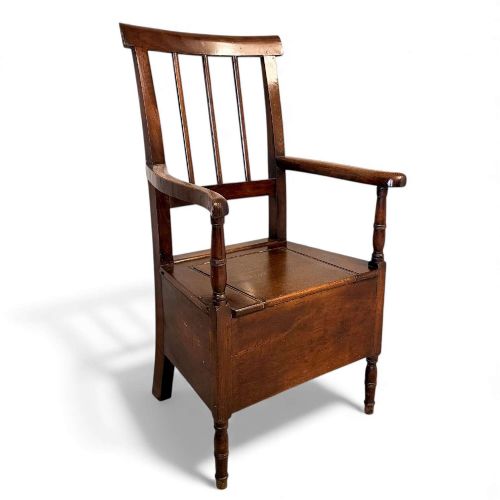
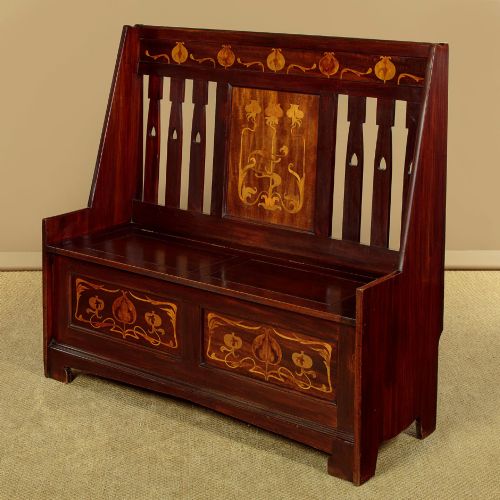
When searching for a wooden box seat chair, collectors encounter practical seating forms designed with integrated storage compartments beneath the hinged seat. The examples seen here span multiple centuries, ranging from seventeenth-century fruitwood child lambing chairs and Elizabethan box chairs to early Georgian walnut commode chairs and twentieth-century oak monks benches.
The selection includes diverse regional and stylistic expressions, featuring English country pieces alongside Hungarian painted grey box settles, Swiss walnut marquetry musical chairs, and Arts and Crafts creations. Object types extend from children's rocking chairs and hall seats to larger benches and settles.
Buyers most frequently meet oak and fruitwood iterations from nineteenth-century country traditions, alongside lighter pine and walnut variations. These seating forms served utilitarian roles in domestic spaces, functioning as hall seats, commodes, or nursery chairs with dual purposes.
What varies in quality
Quality in a wooden box seat chair rests on the integrity of the timber selection and the retention of original structural elements, including hinges and internal compartments. Pieces utilising dense hardwoods like oak or walnut typically demonstrate greater durability than softer pine or fruitwood examples.
The sophistication of decorative details such as boxwood inlay, marquetry, or hand carving distinguishes standard country workshop production from finer cabinetmaker output. Surface preservation and the unaltered state of the lift-up seat mechanisms also govern the standing of individual items.
Wooden Box Seat Chair Retail Price Guide 2026
Typical asking prices for wooden box seat chair among the pieces listed under this phrase on Sellingantiques today, from the lower quarter to the upper quarter. They describe what is for sale here now, not the wider market.
Listings feature oak, mahogany, walnut, fruitwood, elm, pine, and painted finishes across centuries ranging from the sixteenth to the twentieth.
James Shoolbred & Co.
The Wooden Box Seat Chair Glossary
- Box Settle
- A wooden bench featuring high backs, arms, and an enclosed box base with a lift-up seat for storage. These seating forms provided shelter from draughts in large halls and farmhouses.
- Lambing Chair
- A traditional enclosed armchair featuring high wings and a drawer or box compartment beneath the seat. Historically used by shepherds or nurses near hearths.
- Monks Bench
- A convertible piece of furniture functioning as a table with a fold-over top or as a chair with a box seat base. This dual-purpose form became particularly popular during revival periods.
- Commode Chair
- An armchair or seat constructed with an enclosed compartment designed to house a chamber pot. Early examples often utilised oak and walnut with hinged wooden covers.
- Marquetry
- The art of applying pieces of veneer to a structure to form decorative patterns and pictures. Swiss and continental examples frequently display this detailed woodworking technique.
Wooden Box Seat Chair: Frequently Asked Questions
Where were these chairs used?
These seating items historically stood in hallways, parlours, nurseries, and farmhouses where space efficiency and storage mattered. Their enclosed designs helped block cold draughts in older homes.
Today, they function well in entryways as hall seats for storing shoes or living rooms needing rustic character.
How do I identify the period?
Dating relies on examining the timber species, construction joinery, and decorative styles such as Jacobean revival carving or Arts and Crafts simplicity. Earlier pieces from the seventeenth and eighteenth centuries often exhibit hand-carved oak or fruitwood construction.
Later nineteenth-century and early twentieth-century examples display machine-sawn elements, varied revival motifs, or painted finishes.
Are the seat mechanisms original?
Many surviving pieces retain their original wooden hinges, pegs, or early metal fixings that allow the seat to lift or the top to fold over. Inspecting the pivot points and surrounding timber reveals whether the compartment structure remains unaltered.
Replacement hinges or repaired pivot blocks are common in older utilitarian furniture due to centuries of regular opening and closing.