


Wooden Boot Rack
These wooden boot rack pieces organise hallway footwear with period character, offering sturdy timber construction and practical design for traditional interiors.
Wooden Boot Rack
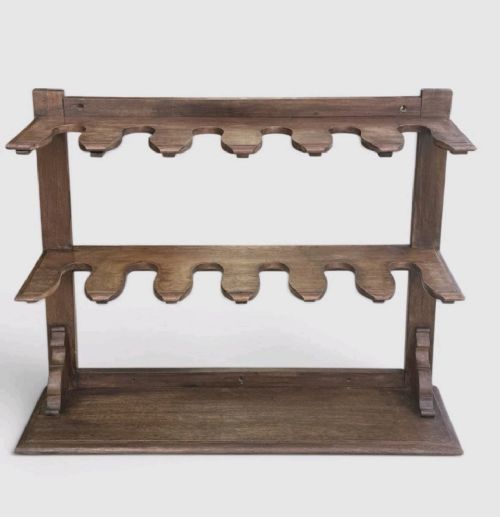
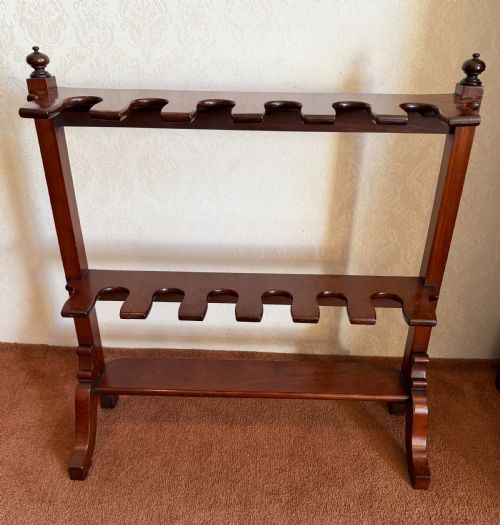
A wooden boot rack is a functional hallway furnishing designed to hold riding boots, shoes, and outdoor footwear. These items organise mudrooms and entrances while keeping footwear accessible and upright.
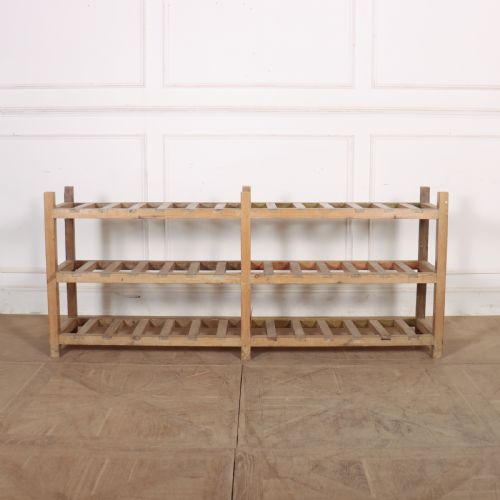
The selections on this page span several eras, including the Regency, Victorian, and Edwardian periods, alongside the year 1900. Buyers encounter varied formats such as dedicated boot stands, shoe racks, hall stands, benches with shoe storage, and coat racks.
Makers and workshops construct these pieces in forms ranging from polished mahogany and walnut to practical pine and oak. Regional styles appear across Irish vernacular and rustic country designs.
How they were made
Cabinet makers and joiners utilised solid timbers including mahogany, walnut, oak, pine, and general wood or timber. These materials provided the structural strength needed to support heavy riding boots and daily footwear.
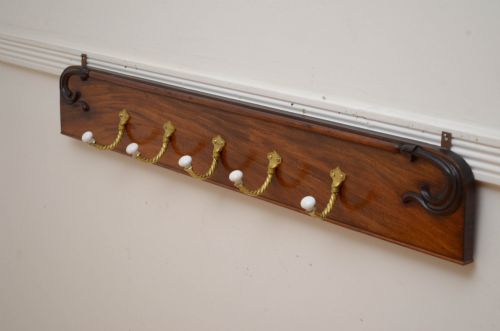
Craftsmen incorporated functional metal and ceramic elements into the woodwork, such as brass fittings and ceramic hooks. Certain pieces feature hand-carved details or twisted rope motifs that demonstrate period joinery techniques.
Early riders relied on dedicated stands to air out wet leather boots after a long day in the saddle.
What varies in quality
Quality rests in the selection of cabinet timbers and the integrity of the joinery. Dense hardwoods like mahogany and walnut command attention for their grain and finish, whereas pine and general timber offer a simpler, utilitarian charm.
The inclusion of specialised hardware, such as brass mounts, ceramic elements, or hand-carved ornamentation, elevates a piece from a basic utility item to a refined hallway furnishing.
Waring and Gillow
The Wooden Boot Rack Glossary
- Boot rack
- A dedicated stand or rack engineered specifically to hold riding boots or tall footwear. These fixtures keep boot shafts upright to prevent creasing.
- Hall stand
- A larger hallway furnishing that combines boot or shoe storage with coat hooks and sometimes a mirror or umbrella stand. They anchor the entrance of a home.
- Vernacular furniture
- Items built by local tradespeople using regional timbers and traditional methods, reflecting the specific domestic needs of an area like rural Ireland or Scotland.
- Regency
- An architectural and design period dating from the early nineteenth century, noted for classical restraint and elegant proportions. Pieces from this era often display refined timber turning and joinery.
- Mahogany
- A durable, reddish-brown tropical hardwood favoured by nineteenth-century cabinet makers for its stability and ability to take a high polish.
Wooden Boot Rack: Frequently Asked Questions
What is a wooden boot rack used for?
These pieces organise footwear in entrances, hallways, and boot rooms. They keep muddy boots off the floor and maintain the shape of tall riding footwear.
Traditional households utilised them alongside coat racks and umbrella stands to manage outdoor garments.
How do I identify a Victorian wooden boot rack?
Victorian examples frequently utilise dark hardwoods such as mahogany and feature robust turnings or hand-carved details. They often accompany hall stands and riding boot fixtures.
Examination of the timber, joinery, and hardware helps distinguish nineteenth-century production from later reproductions.
Are these racks suitable for modern hallways?
Period wooden boot racks fit well in contemporary spaces by introducing natural timber textures and historical character. Their practical storage function remains as useful today as it was in the nineteenth century.
Buyers often place them in entrance halls or utility rooms to manage modern footwear.
What materials are common in these pieces?
Construction relies primarily on hardwoods and softwoods including mahogany, walnut, oak, pine, and general timber. Workshops added brass fixtures and ceramic components for hooks and mounting.
Different regional traditions favoured specific woods, such as Scottish pine or Irish walnut.