

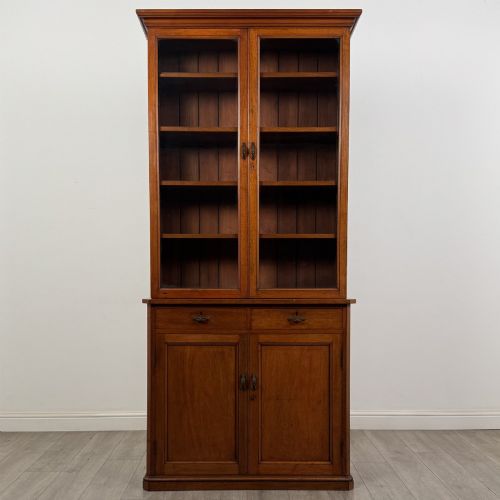
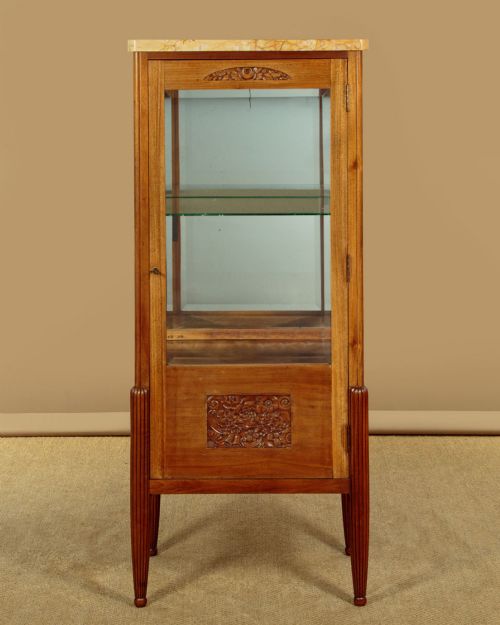
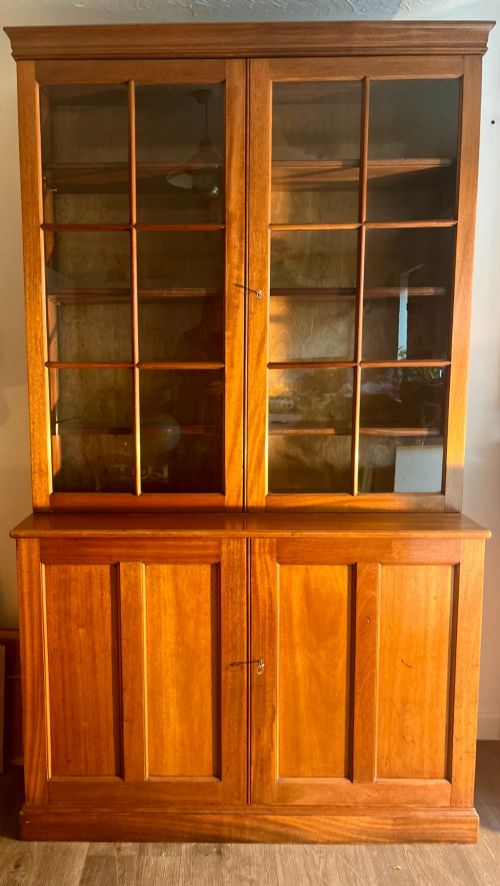
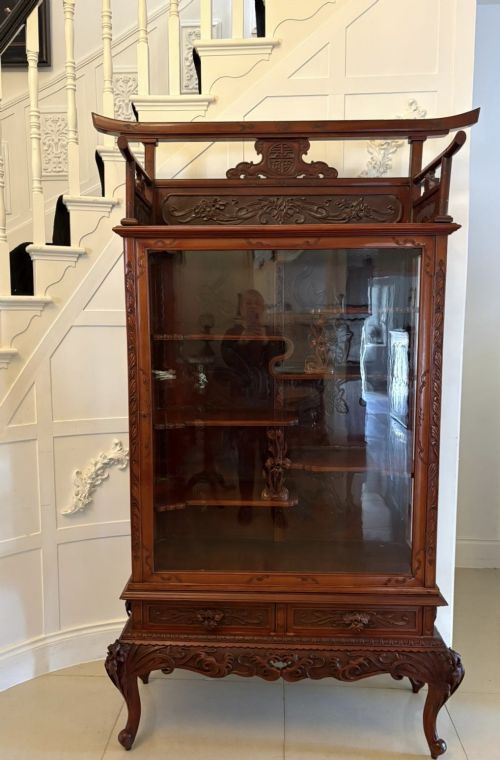
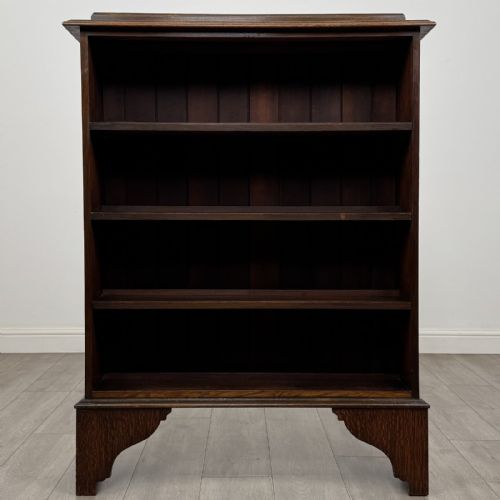
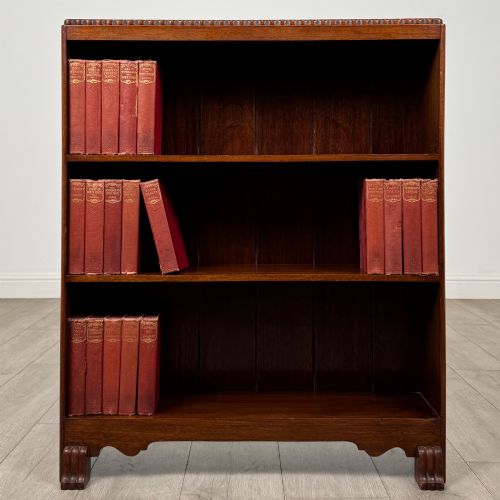
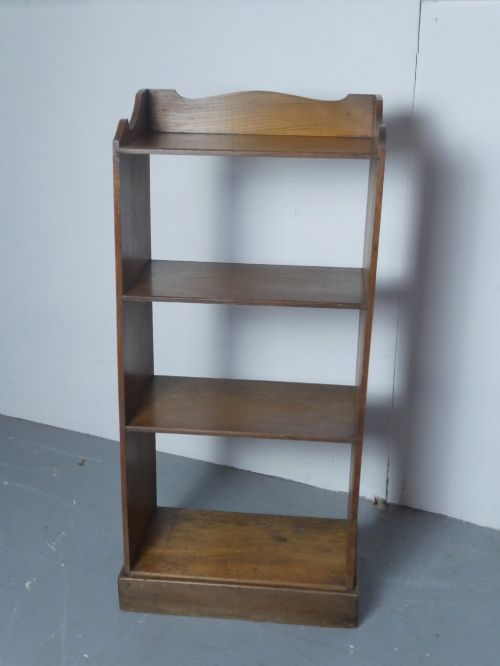
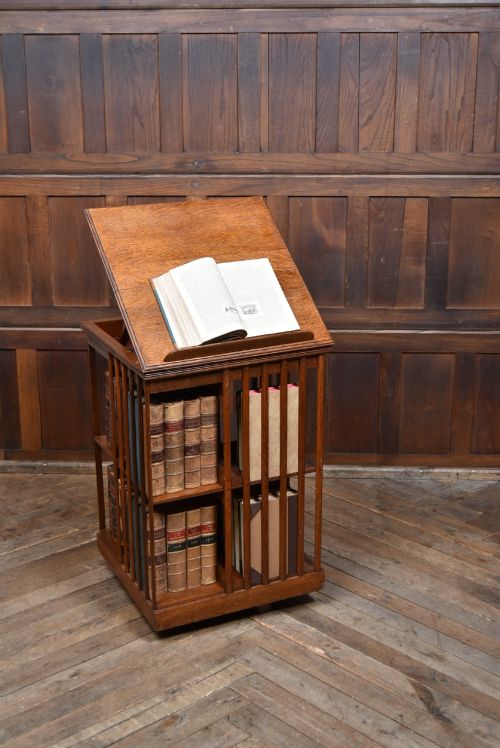
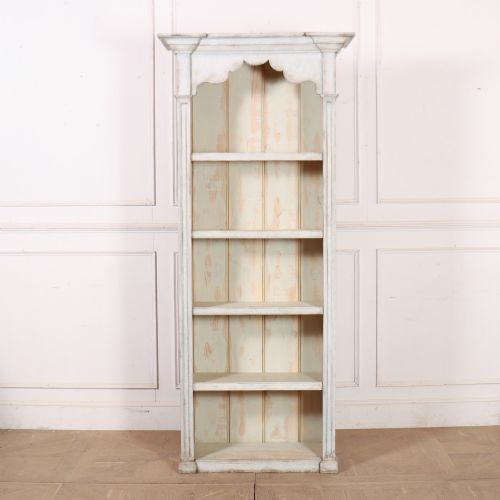
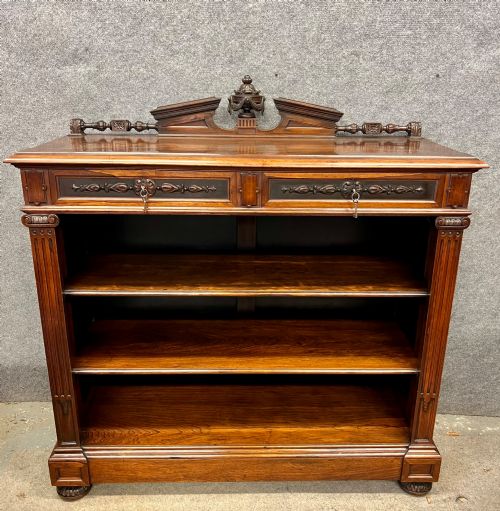
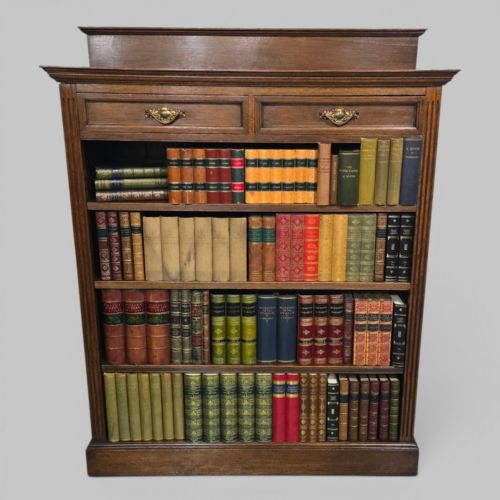
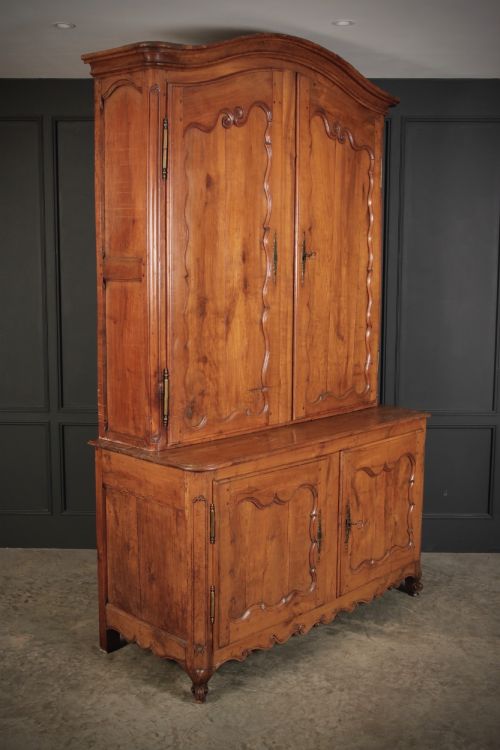


Wooden Bookcase Top
A wooden bookcase top brings architectural presence and rich grain to a room, offering adaptable display and storage space for a collection of volumes.
Wooden Bookcase Top
When searching for a wooden bookcase top, you encounter upper sections and standalone upper units originating from periods such as the 18th century, Victorian, Edwardian, and Georgian eras. These pieces typically take the form of open shelving units, glazed display cabinets, or bureau bookcase upper sections.
The inventory on this page leans heavily towards mahogany, oak, and walnut constructions, reflecting the primary timbers utilised across English, French, and Dutch workshops. Formats range from open adjustable library shelving to dome top fitted cabinets and revolving tabletop designs.
Many items derive from larger two-part furniture where the upper section functions independently or survives separately as a tabletop or wall-mounted unit. You will find both unadorned utilitarian library pieces and decorative glazed vitrines suited to prominent display.
How they were made
Cabinet makers constructed these upper sections using solid hardwoods such as mahogany, oak, walnut, and cherry, often incorporating pine for internal carcases and shelving. Panels were framed with traditional joinery to accommodate timber movement over time.
Glazing involved individual leaded or wooden muntins holding glass panes within cabinet doors, while open variants featured fixed or adjustable wooden shelves supported by pegged or rackwork systems. Brass hardware, including hinges and escutcheons, completed the functional assembly.
Wooden Bookcase Top Retail Price Guide 2026
Typical asking prices for wooden bookcase top among the pieces listed under this phrase on Sellingantiques today, from the lower quarter to the upper quarter. They describe what is for sale here now, not the wider market.
Listings span the 18th century, Victorian, Edwardian, and 1920s periods, featuring oak, mahogany, walnut, pine, and glass.
What varies in quality
The distinction between standard utility items and finer pieces rests on timber selection and decorative restraint. Superior examples display carefully figured grain patterns, balanced proportions, and refined details such as carved top edges or raised galleries.
Construction methods also dictate quality, particularly the precision of the joinery in shelving supports, cornices, and glazed door frames. Pieces retaining original glass, backboards, and brass fittings hold greater integrity than those altered or repaired in later decades.
The Wooden Bookcase Top Glossary
- Gallery
- A low decorative railing or balustrade along the top edge of a piece, designed to keep items from sliding off. Edwardian open bookcases frequently incorporate this feature.
- Vitrine
- A glass-fronted cabinet or display case intended for showing porcelain, books, or curiosities. Eighteenth-century Dutch and French examples often feature delicate painted framing.
- Bureau Bookcase
- A combination desk featuring a sloping writing flap beneath an upper bookcase or cabinet section. Georgian and Regency iterations frequently utilise mahogany and inlaid veneers.
- Cornice
- The moulded horizontal projection that crowns the top of a cabinet or bookcase. Mid-eighteenth-century pine and oak pieces often showcase elaborate carved dome top cornices.
- Secretaire
- A desk fitted with a pull-down writing drawer that conceals small pigeonholes and compartments. Late Victorian walnut editions often integrate this writing drawer directly beneath the bookcase section.
Wooden Bookcase Top: Frequently Asked Questions
What is a wooden bookcase top?
A wooden bookcase top is typically the upper glazed or open-shelved section of a larger two-part cabinet, or a standalone upper unit designed for placement on a surface.
These pieces provide accessible vertical storage for books and display items while adding architectural character to a room.
How do I date an antique bookcase?
Dating relies on examining the timber species, construction methods, hardware, and stylistic markers such as cornices and glazing bar thickness.
Georgian and 18th-century pieces often feature secondary timbers like pine alongside primary hardwoods, whereas Edwardian and Victorian items show distinct machine-sawn consistency.
Can these upper sections stand alone?
Many upper sections function well as standalone wall-mounted shelves or countertop display cabinets depending on their base construction.
Some units were originally built as one-part open bookcases or tabletop revolving designs intended to sit independently without a lower bureau.
What woods were commonly used?
Mahogany, oak, walnut, and pine form the primary material foundation across the available periods, supplemented by cherry and exotic hardwoods like Japanese red lacquer.
Cabinet makers selected these timbers for their structural stability, grain figure, and suitability for carving or polishing.