


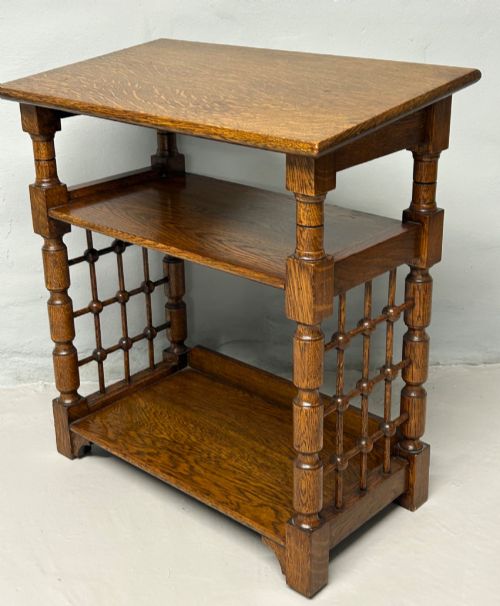


Wooden Bobbin Stand
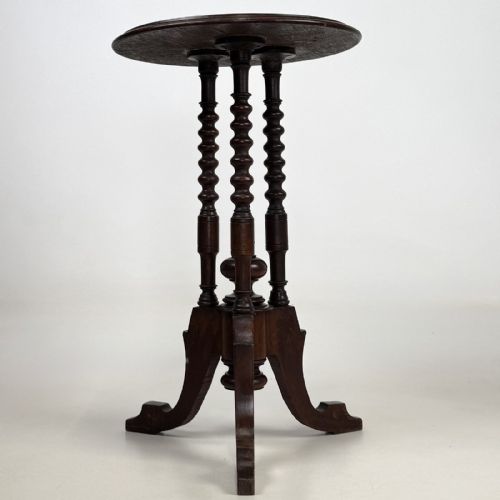
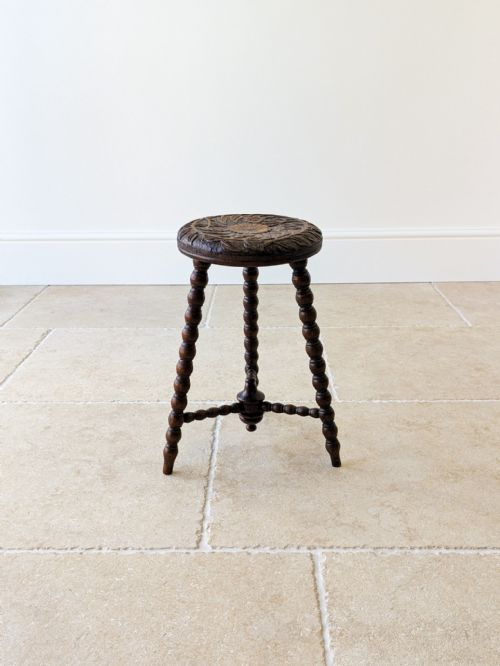
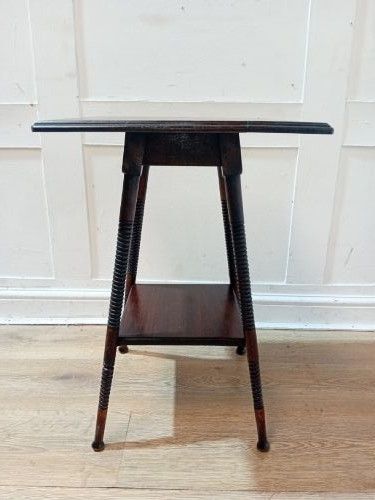
These wooden bobbin stand pieces bring tactile turned detail and rich timber into a room, offering both practical utility and distinct period character.
Wooden Bobbin Stand
A wooden bobbin stand or related turned furniture piece brings structured spindlework into domestic spaces, appearing in forms ranging from side tables and stools to book stands and candlesticks. These items span periods from the seventeenth century through the Victorian and Edwardian eras, reflecting enduring craftsmanship in timber.
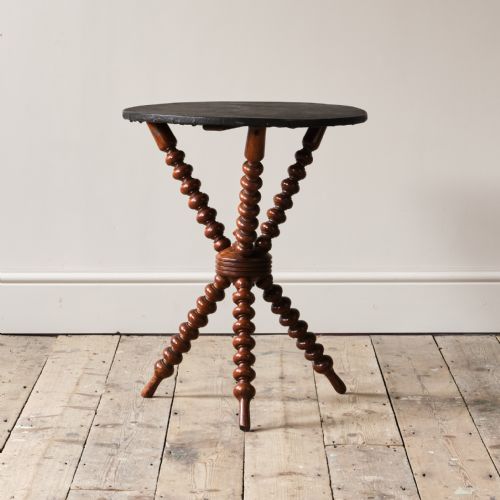
Buyers frequently encounter nineteenth-century occasional tables, gypsy tables, and occasional stands featuring characteristic bobbin-turned legs and uprights. Alongside these, related textile accessories such as lace makers pillow holders and wool winder stands emerge within the selection.
Origins and influences stretch across English vernacular design, French folk art, and Arts and Crafts ideals, drawing on oak, mahogany, walnut, and stained hardwood. Such variety ensures that each piece displays a distinct regional or stylistic interpretation of turned woodwork.
How they were made
Construction relies heavily on solid hardwoods like oak, walnut, and mahogany, shaped through traditional turning techniques to create repetitive spherical or cylindrical bobbin profiles. Cabinetmakers and turners utilised lathes to produce uniform spindles for legs, stretchers, and upright supports.
Detailing often incorporates brass fittings, ebonised finishes, or parquetry veneer, adding visual contrast to the turned wooden frames. Joinery methods reflect the period of origin, securing turned components firmly into tabletops, bases, or structural rails.
Wooden Bobbin Stand Retail Price Guide 2026
Typical asking prices for wooden bobbin stand among the pieces listed under this phrase on Sellingantiques today, from the lower quarter to the upper quarter. They describe what is for sale here now, not the wider market.
Listings feature oak, walnut, mahogany, and brass across forms including occasional tables, book stands, and lace making accessories from Victorian and Edwardian periods.
What varies in quality
Quality rests in the crispness of the turning and the harmony of proportions across the spindles and supporting framework. Superior examples demonstrate deliberate timber selection, where grain patterns and rich patination enhance the turned decoration without distraction.
The integrity of the construction and the fidelity to period styles - whether Aesthetic Movement, Arts and Crafts, or Jacobean Revival - dictate the distinction between standard utilitarian items and finer decorative works. Original hardware and stable joinery further elevate the standing of any individual piece.
LIBERTY of LONDON·WILLIAM BIRCH
The Wooden Bobbin Stand Glossary
- Bobbin turned
- A method of woodturning that produces a series of rounded, spool-like shapes along the length of a leg or stretcher. This decorative motif appears frequently on seventeenth-century revival and nineteenth-century occasional furniture.
- Gypsy table
- A small, portable occasional table typically featuring three turned wooden legs and a fabric or draped top, popular during the late Victorian period. These pieces often utilise bobbin or spindle framing.
- Parquetry
- A geometric mosaic of wood pieces used for decorative veneer on furniture surfaces. It adds pattern and textural contrast to cabinet tops and panels.
- Swift
- An adjustable device used for holding yarn or wool during winding, often incorporated into stands constructed from walnut or other hardwoods. These textile accessories combine functional mechanics with turned wooden architecture.
- Ebonised
- Wood treated with a dark stain or finish to imitate ebony. This technique gained prominence during the Aesthetic Movement to create stark visual contrast.
Wooden Bobbin Stand: Frequently Asked Questions
How were these pieces used originally?
Many of these items served practical daily functions in period homes, acting as bedside surfaces, hall tables, or supports for specialised tasks such as lacemaking and wool winding. Others functioned as display stands for books or decorative objects.
Their portable nature allowed them to be moved easily around domestic interiors as needed.
How do I style a turned wood table?
Turned wood tables and stands fit naturally beside seating or in hallways, where their detailed legs provide visual interest without demanding excessive floor space. They pair well with diverse interior schemes, from traditional period rooms to eclectic modern settings.
Keep objects placed upon them minimal to let the carved and turned timber details remain visible.
How can I tell the period of turned furniture?
Dating relies on observing the wood species, construction methods, finishing techniques, and stylistic markers such as ebonising or brass mounts. Pieces reflecting Arts and Crafts or Aesthetic Movement ideals display different characteristics compared to seventeenth-century revival work.
Comparing structural joinery and turning profiles helps clarify the era of manufacture.