




Wooden Bench End
These wooden bench end pieces offer solid structural timber and period seating forms suited to narrow hallways and window spaces.
Wooden Bench End
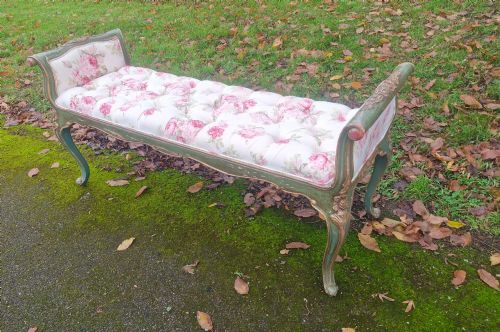
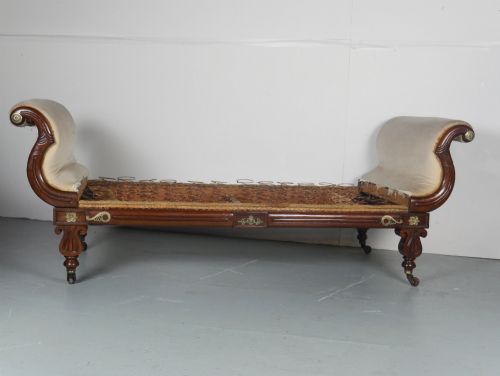
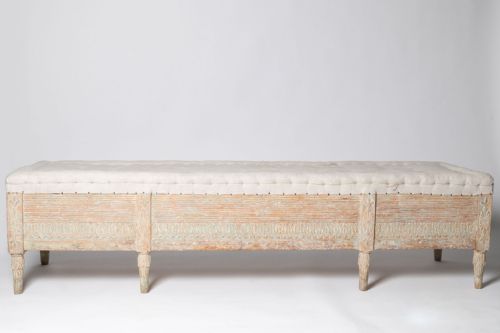
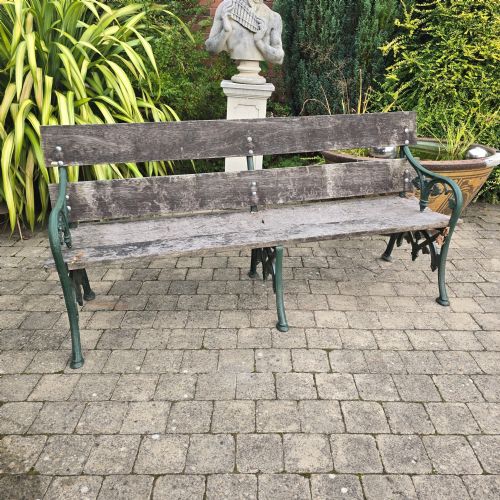
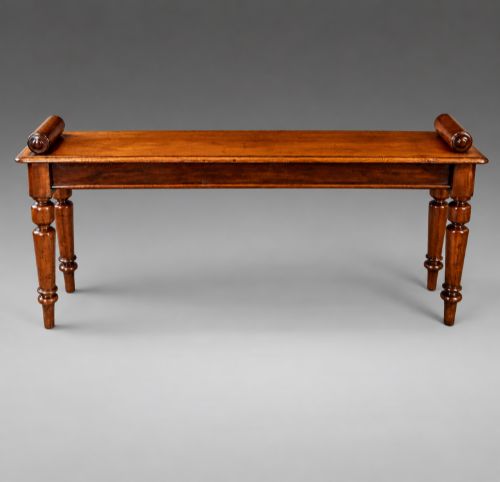
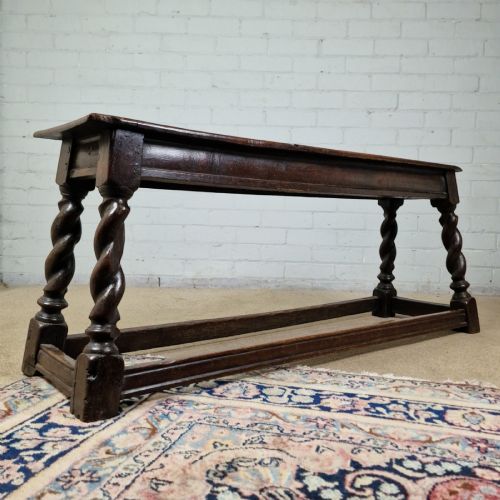
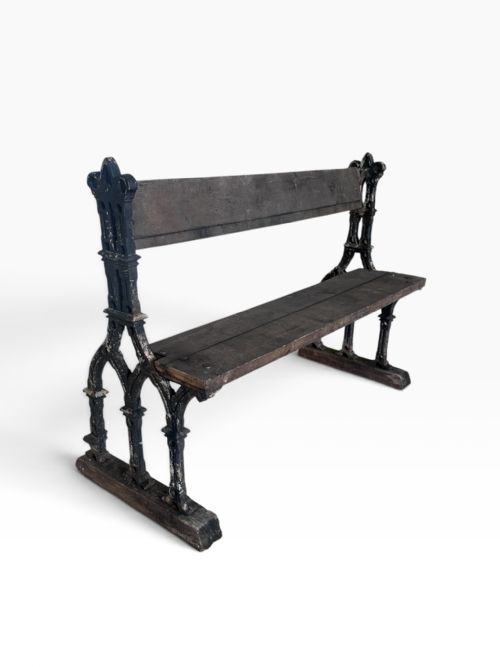
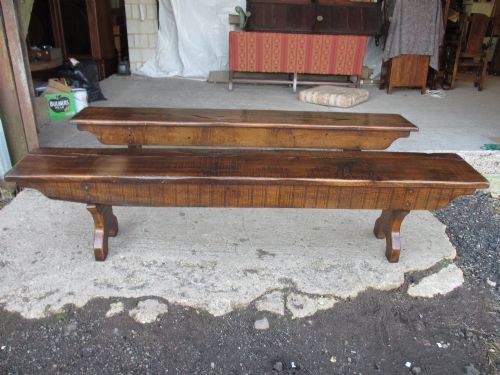
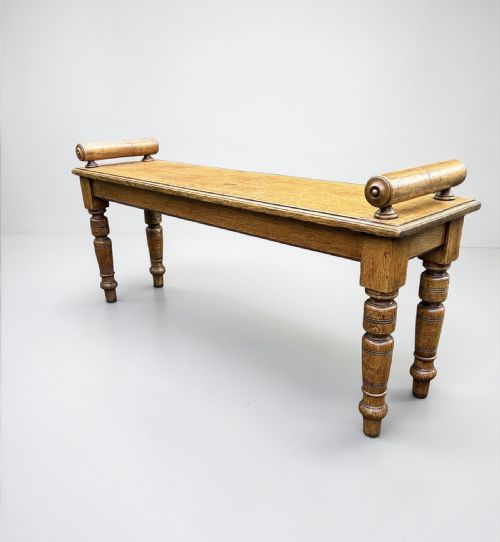
A wooden bench end search reveals a diverse range of seating furniture, predominantly appearing as window benches, long stools, and hall benches dating from the seventeenth century through to the early twentieth century.
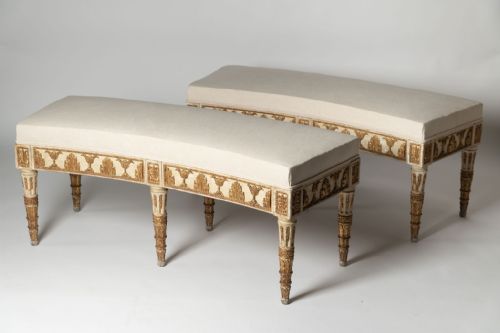
The pieces on this page span various traditional styles including Victorian Gothic, Edwardian, and Gustavian, reflecting both domestic interior furnishings and architectural elements.
Makers and designers from notable firms such as Gillows occasionally emerge among these listings, offering walnut, mahogany, and oak frames alongside painted wood finishes.
Materials and construction methods
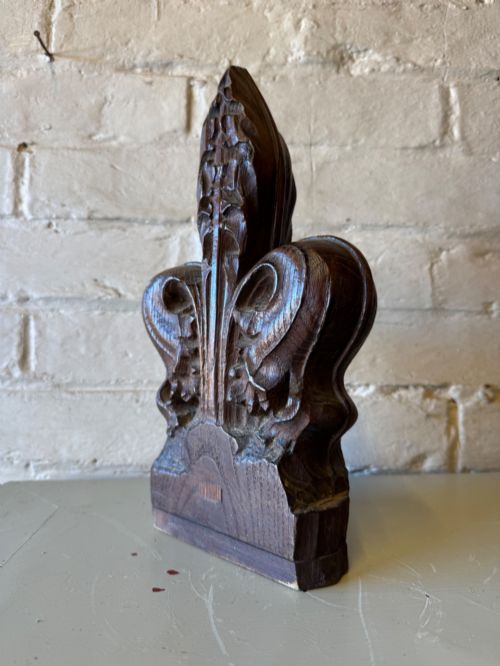
Carpenters utilised dense hardwoods such as oak, mahogany, and walnut, often shaping the timber with carved details like poppy head finials or fluted legs.
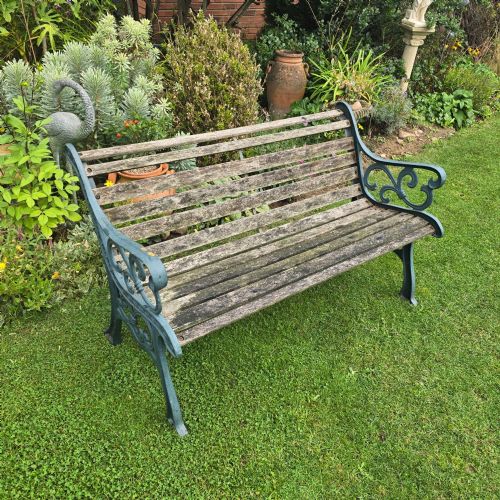
Some items incorporate cast iron supports or are upholstered in fabrics including linen, combining structural rigidity with padded seating surfaces.
Wooden Bench End Retail Price Guide 2026
Typical asking prices for wooden bench end among the pieces listed under this phrase on Sellingantiques today, from the lower quarter to the upper quarter. They describe what is for sale here now, not the wider market.
Styles represented include Victorian Gothic, Edwardian, Gustavian, and French Régence.
Distinctions in construction and finish
Quality differentiates itself through the crispness of carved wooden details, such as Gothic tracery or shaped trestle ends, compared to plainer joinery.
The selection of timber, the integrity of the frame construction, and the execution of applied finishes like paint or polish dictate the standard of each piece.
Gillows
The Wooden Bench End Glossary
- Window bench
- A long, narrow seat designed specifically to fit beneath a window frame in a domestic room. These pieces often feature upholstered tops and low profiles.
- Poppy head
- An ornamental carved finial atop the end of a bench, frequently seen in Gothic or church architecture. The design resembles a seed capsule.
- Trestle end
- A structural support consisting of a horizontal beam balanced on two paired legs. This configuration provides stable footing for long benches.
- Hall bench
- A sturdy wooden seat placed in an entryway or hallway for practical use. Examples in this category incorporate storage or carved backrests.
- Regency
- A British design style spanning the early nineteenth century, characterised by classical motifs and refined mahogany woodwork.
Wooden Bench End: Frequently Asked Questions
How were these benches used?
Historically, these seating forms served practical and decorative functions in hallways, bedrooms, and reception rooms.
Shorter benches and window seats provided convenient perches for putting on shoes or gazing out of casement windows.
How do I identify period pieces?
Dating relies on observing construction techniques, timber species, and stylistic markers such as Victorian Gothic tracery or Gustavian painted surfaces.
Examining the wear patterns and joinery helps distinguish seventeenth-century oak carvings from later twentieth-century reproductions.
Can these benches fit modern interiors?
Their slender proportions make these benches adaptable for placement in narrow corridors, at the foot of beds, or beneath contemporary windows.
Upholstered variants allow for reupholstery in modern fabrics while retaining the antique wooden framework.