

Wooden Bedroom Commode
A wooden bedroom commode stands as a sturdy chest of drawers, offering practical storage through Georgian, Victorian and Edwardian periods.
Wooden Bedroom Commode
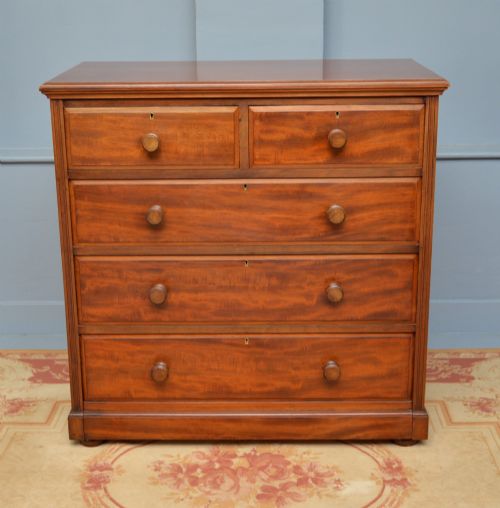
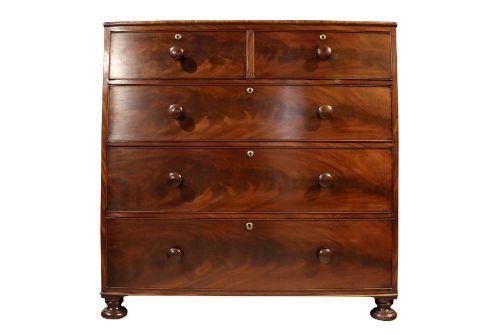
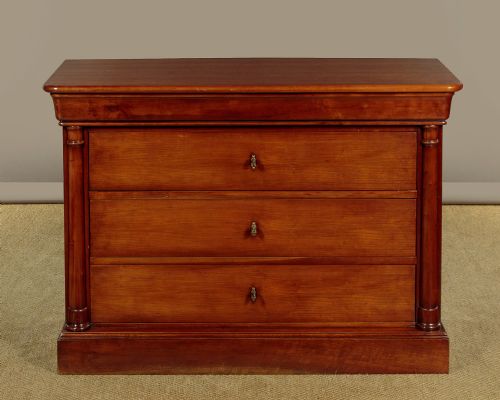
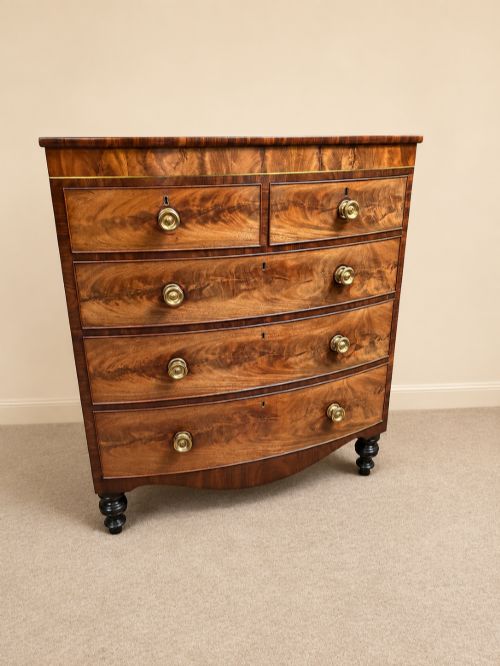
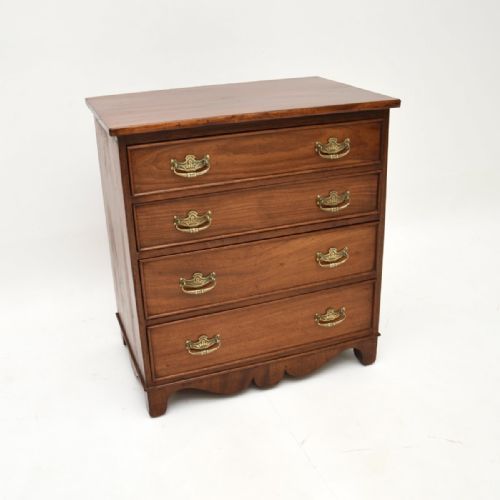
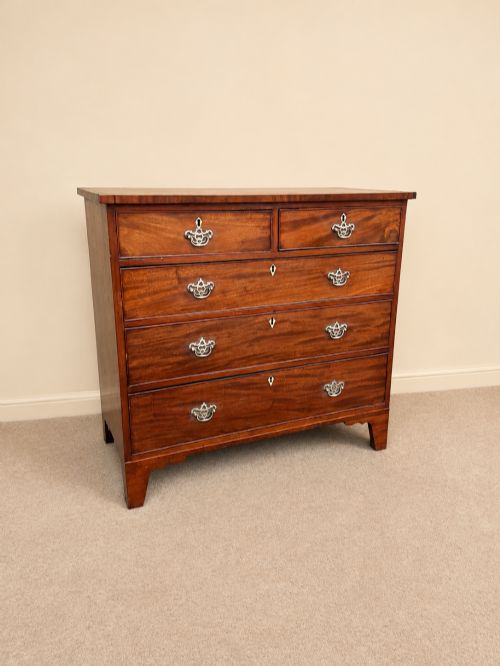
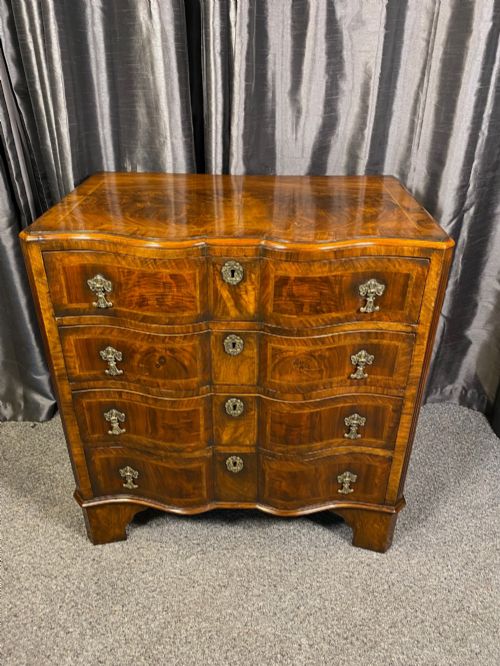
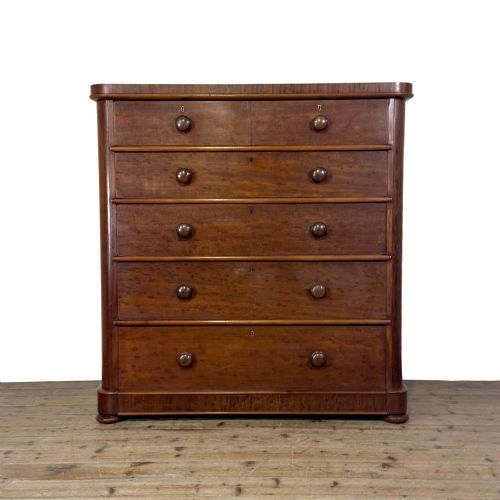
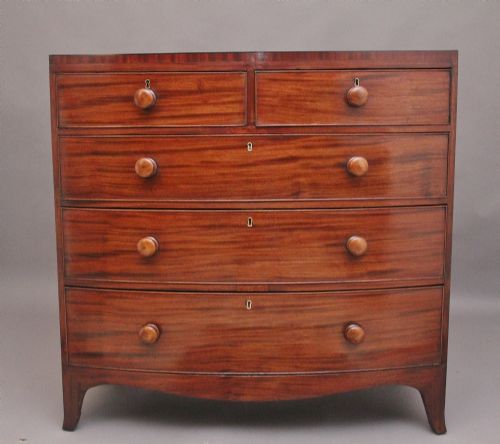
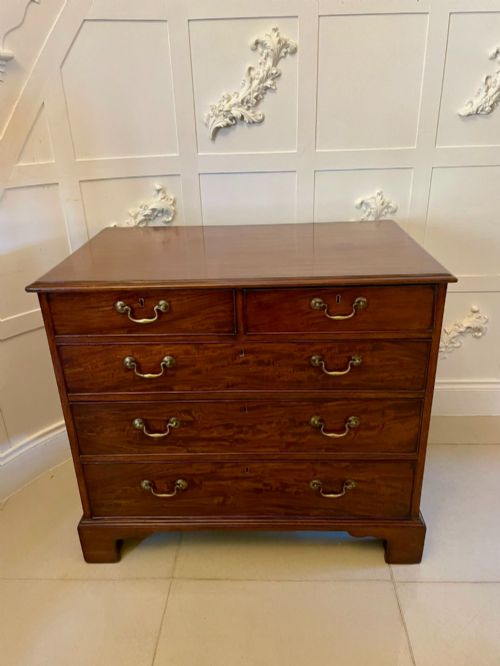
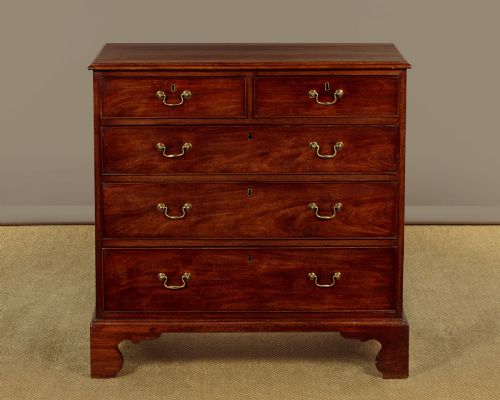
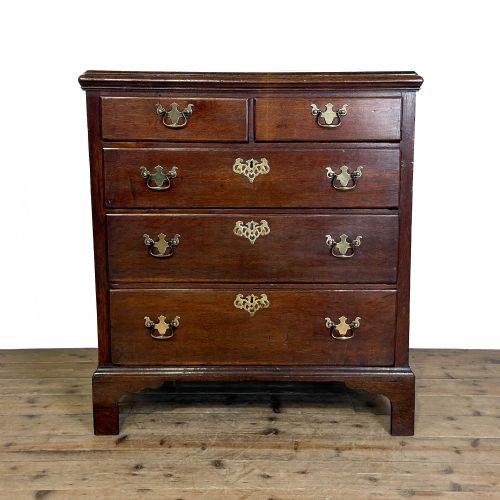
When you search for a wooden bedroom commode, you encounter a variety of traditional chests of drawers primarily rooted in the Georgian and Victorian eras. These pieces typically present rectangular or bow-front silhouettes designed to hold personal belongings in the bedchamber.
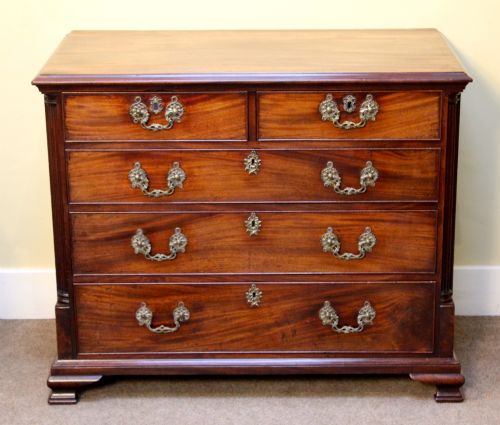
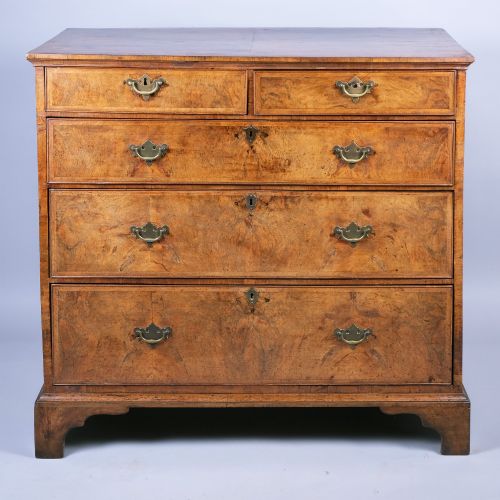
The versions most frequently met on this page range from compact walnut examples to large mahogany formats featuring original brass handles or bun feet. Makers across the eighteenth and nineteenth centuries constructed these storage units to balance utility with formal domestic elegance.
Materials and construction methods
Cabinet makers utilised dense hardwoods such as mahogany, oak and walnut, often applying flame mahogany or burr walnut veneers to primary display surfaces. Secondary timbers like pine supported internal drawer structures while brass provided durable hardware for pulls and handles.
Joinery techniques included precision dovetailing for drawers and robust frame construction, sometimes supplemented by bracket feet or turned bun feet. Surface finishing ranged from traditional French polish to later painted treatments depending on the workshop and period.
Wooden Bedroom Commode Retail Price Guide 2026
Typical asking prices for wooden bedroom commode among the pieces listed under this phrase on Sellingantiques today, from the lower quarter to the upper quarter. They describe what is for sale here now, not the wider market.
Some nineteenth century makers thoughtfully added hidden compartments inside deep drawers for secret midnight snacks.
Factors of distinction
The refinement of timber selection largely dictates the standing of a piece, with figured grains and book-matched veneers marking out superior examples. Plain secondary woods and simpler constructions sit at the other end of the scale.
Execution of detail such as finely cast brass handles, integrated brushing slides and well-proportioned bracket feet separates standard utility items from master cabinet work. The integrity of the original structure and untouched surface patination further define the hierarchy.
Gillows
The Wooden Bedroom Commode Glossary
- Bowfront
- A convex curved front facade popular on eighteenth and nineteenth century case furniture. This shape softens the profile of a room.
- Brushing slide
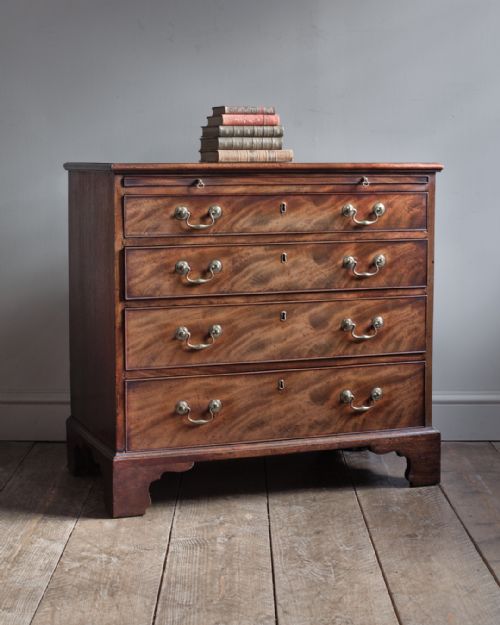
- A pull-out shelf integrated above the top drawers. It served as a temporary writing or grooming surface.
- Serpentine
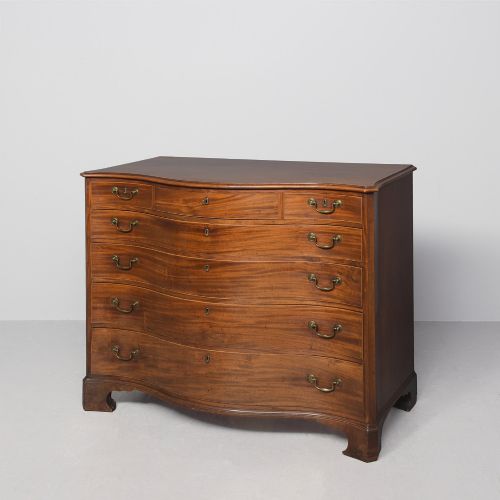
- A horizontally undulating front edge with a central convex curve flanked by concave sweeps. It requires advanced woodworking skill.
- Bun foot
- A spherical or slightly flattened turned wooden foot. It supports cabinets from the Victorian era and earlier.
- Veneer
- A thin layer of decorative wood applied to a sturdier base timber. Burr walnut and flame mahogany commonly appear this way.
Wooden Bedroom Commode: Frequently Asked Questions
What is a wooden bedroom commode?
A wooden bedroom commode refers to traditional chests of drawers utilised for clothing and personal storage in private rooms.
These pieces span multiple historical periods, taking forms from compact Georgian bow-fronts to large Victorian mahogany storage chests.
How do I spot a Georgian chest?
Georgian pieces often display hand-cut dovetails, bracket feet, and timber choices like figured mahogany or oak.
Proportions remain balanced, and hardware generally consists of brass plate handles secured through the drawer front.
Where was a brushing slide used?
The pull-out brushing slide sits directly beneath the top surface of select Georgian chests.
Users pulled this wooden shelf out to brush garments or write brief notes without needing a separate desk.
How do I care for antique wood?
Antique wooden surfaces respond best to stable indoor humidity and gentle dusting with a soft dry cloth.
Avoid placing these chests near direct heat sources or strong sunlight to protect the aged polish and underlying timber.