
Wooden Bedroom Armoire
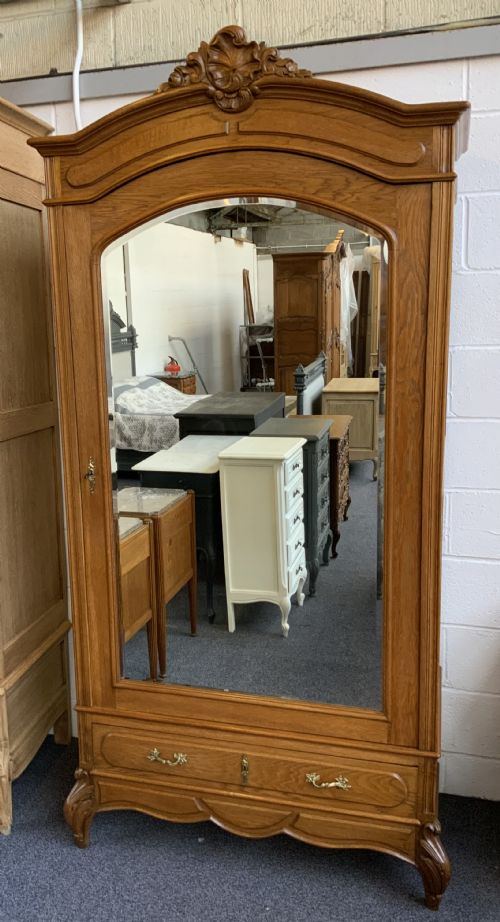
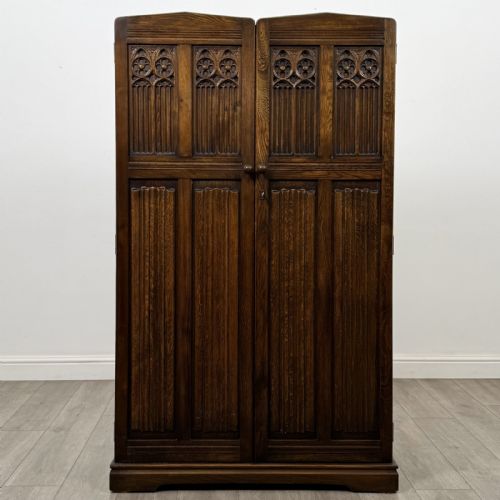
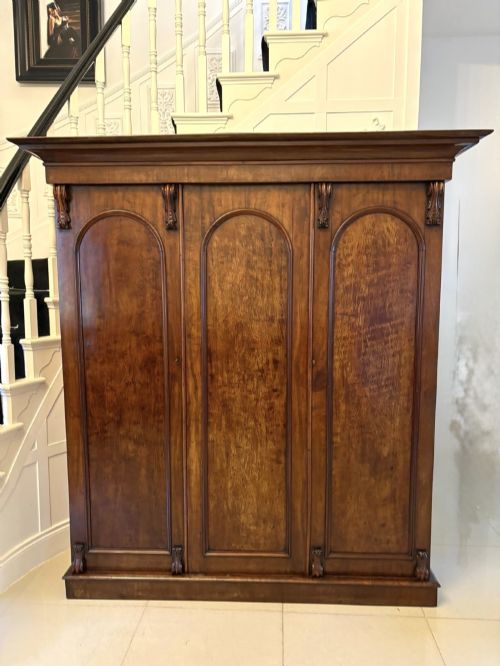
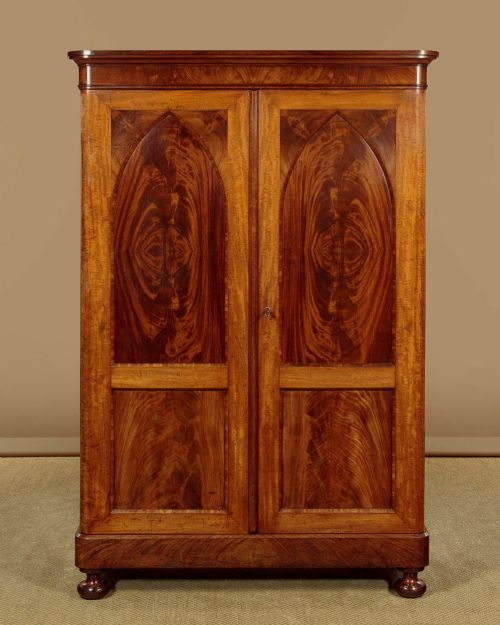
These wooden bedroom armoires offer generous proportions and timber character, providing substantial storage for coats, linens, and garments.
Wooden Bedroom Armoire
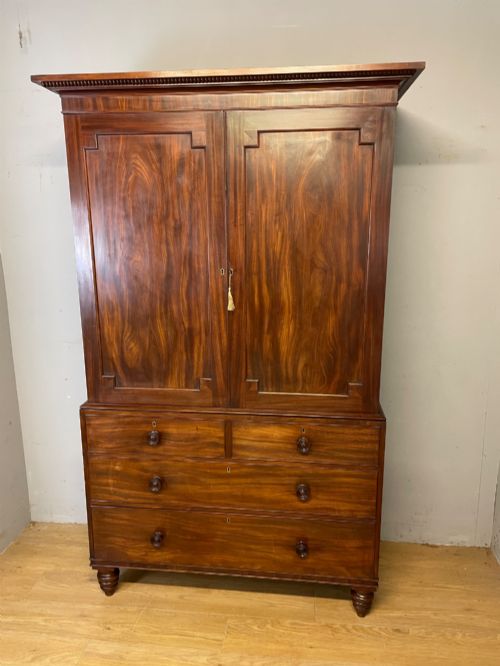
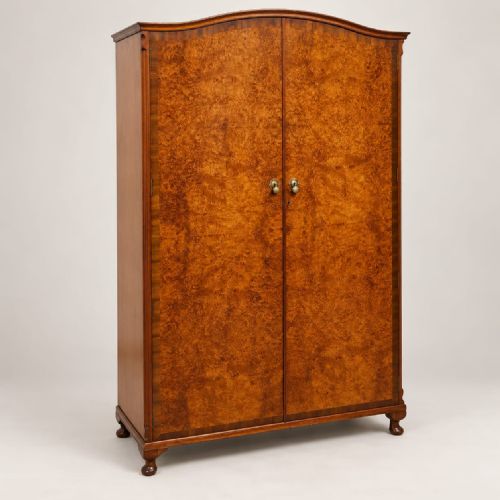
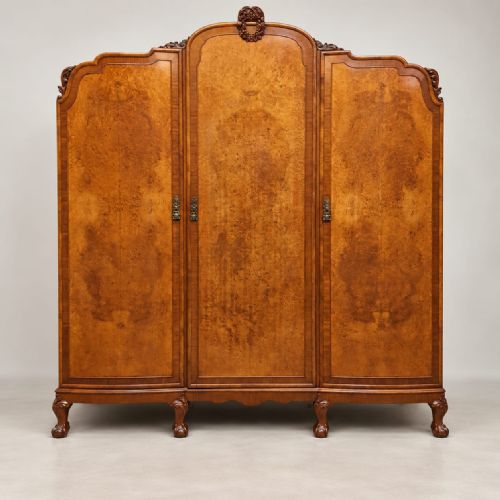
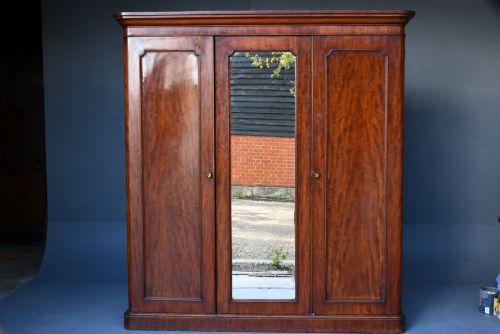
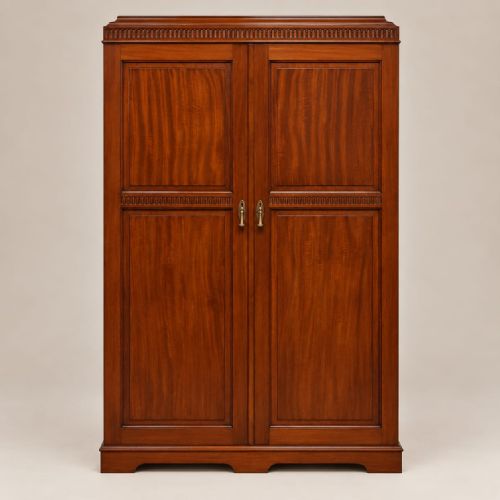
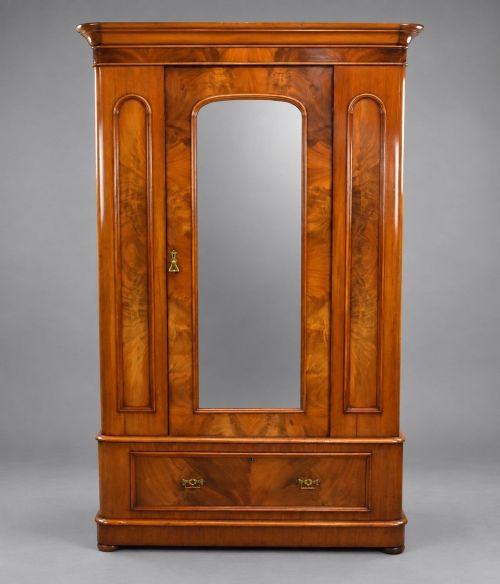
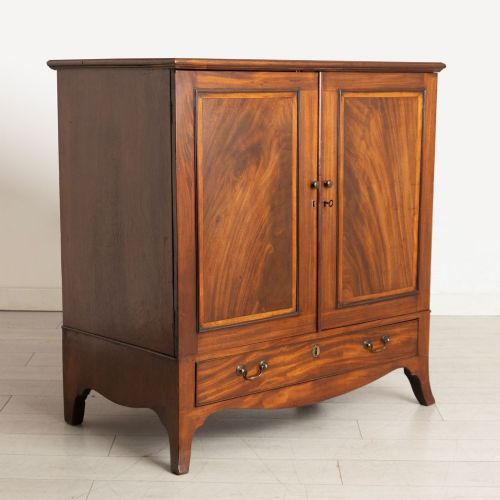
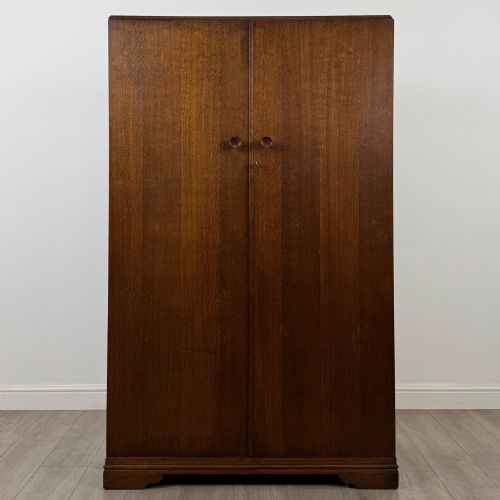
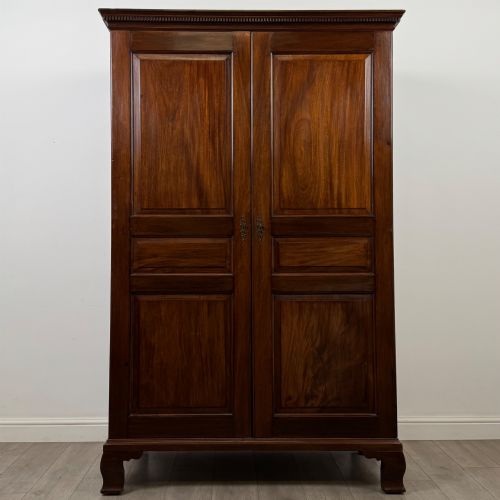
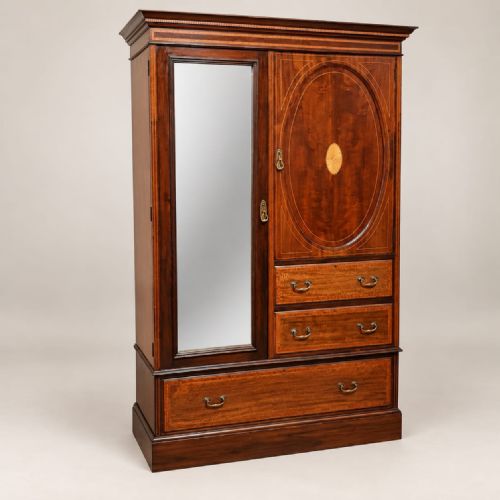
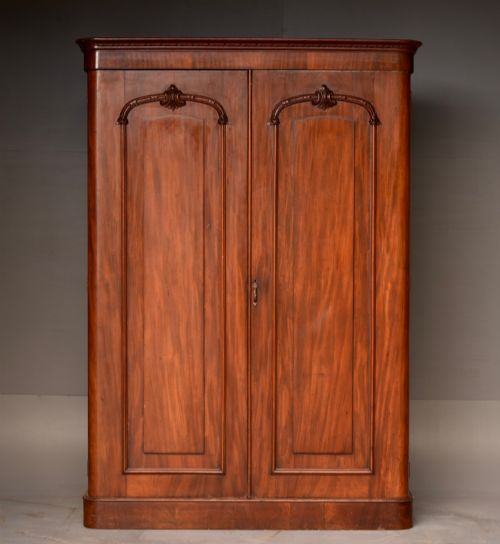
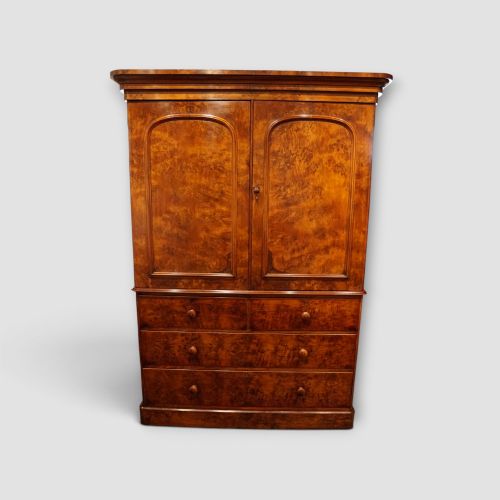
A wooden bedroom armoire encompasses large storage furniture spanning periods from the Georgian era through the Victorian period, Edwardian decades, and into the 1920s and Art Deco years. The selection on this page leans heavily toward mahogany, oak, and burr walnut examples constructed as double or triple wardrobes, linen presses, and compactums.
Buyers seeking a wooden bedroom armoire will encounter configurations ranging from simple single-door cupboards to elaborate triple wardrobes with mirrored doors, carved detailing, and internal drawers. Pieces stretch from compact nineteenth-century pine designs to substantial Regency flame mahogany presses and Edwardian inlaid satinwood armoires.
The form often includes specialised internal fittings such as linen slides, hanging spaces, and banks of drawers, making these pieces practical storage solutions for contemporary homes. Regional British pieces sit alongside French provincial armoires and Scandinavian style cupboards.
Materials and construction
Cabinet makers utilised solid timbers alongside decorative veneers, applying flame mahogany, burr walnut, and figured mahogany to primary surfaces over secondary woods like pine and oak. Brass hardware, glass mirror panels, and intricate hand-carved detailing complete the construction of these large storage pieces.
Joinery methods varied according to the period, employing pegged mortise and tenon joints in earlier oak pieces and sophisticated dovetail construction for internal drawers in Victorian and Edwardian compactums. Surface finishes range from traditional wax and polish to painted scumble finishes and inlaid marquetry.
Quality and execution
The distinction between standard pieces and the finest examples rests on the selection of timber veneers, such as richly figured burr walnut or heavily flamed mahogany, and the precision of hand-carved ornamentation. Superior armoires exhibit balanced proportions, tight joinery, and intact original glass or brass fittings.
Internal configuration also drives distinction, with comprehensive fitted interiors containing linen slides, sliding trays, and multiple drawers commanding greater appreciation than basic empty hanging spaces. The integration of maker craftsmanship, evidenced in specialised cabinet work, elevates the standing of individual wardrobes.
Edwards and Roberts·Crown Furniture·Holland and Sons
The Wooden Bedroom Armoire Glossary
- Compactum
- A multi-compartment wardrobe combining hanging space with linen slides, shelves, and internal drawers. This versatile form became popular during the Victorian and Edwardian periods.
- Linen press
- A tall storage piece featuring upper sliding trays enclosed by doors, positioned above a base chest of drawers. These items were traditionally used to store household linens flat.
- Flame mahogany
- A veneer cut from timber fork sections where branches join the main trunk, producing a distinctive flickering flame pattern. Cabinet makers utilised this technique on high-status Regency and Georgian furniture.
- Burr walnut
- Timber harvested from walnut tree growths containing distorted grain patterns that create intricate swirling designs. It appears frequently on luxury Victorian and 1920s wardrobes.
- Dentil cornice
- A architectural wooden moulding featuring a series of small equally spaced rectangular blocks. This decorative detail frequently crowns Georgian and revival wardrobes.
Wooden Bedroom Armoire: Frequently Asked Questions
What is a compactum wardrobe?
A compactum wardrobe is a specialised storage unit that combines hanging space with banks of internal drawers, shelves, and sliding trays.
These pieces were designed to maximise bedroom storage by housing various types of clothing within a single cabinet.
What timber finishes should I expect?
Listings feature natural timber surfaces finished with wax or polish, highlighting grains like mahogany, oak, walnut, and ash.
Some pieces also display decorative painted finishes, such as blue Regency paintwork or scumble faux oak.
How do I fit a large armoire into a modern bedroom?
Measure your ceiling height and floor space carefully, as these historic wardrobes often arrive as single large units or heavy multi-section pieces.
Consider whether the interior layout of hanging rails and drawers suits your daily clothing storage needs before placement.