



Wooden Art Sculptures
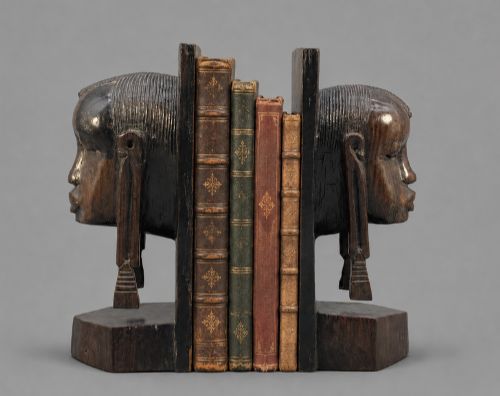
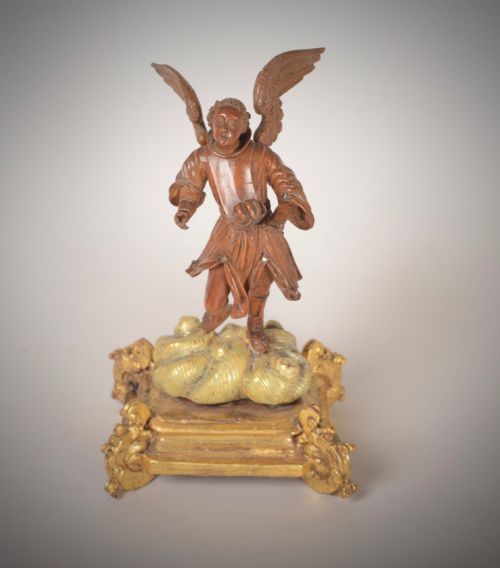
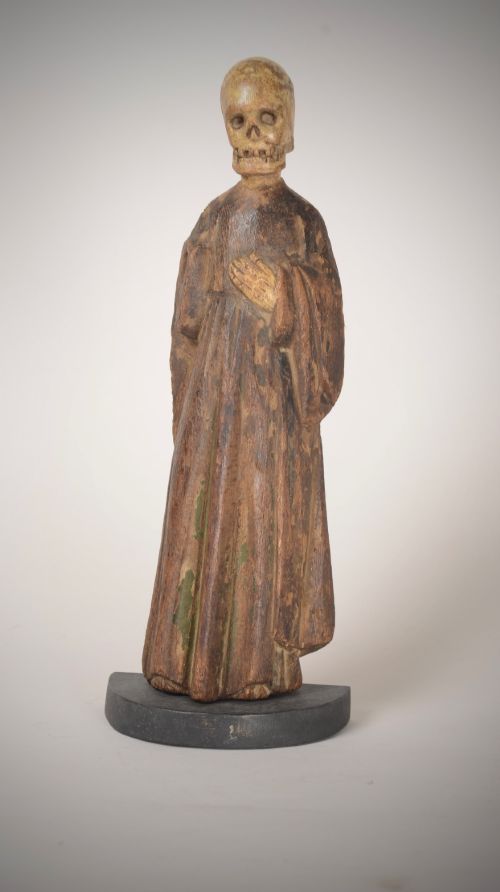
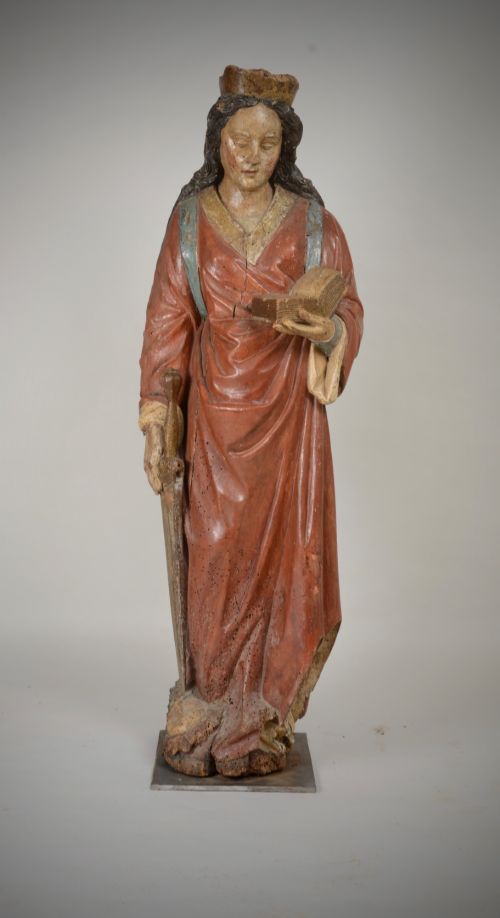
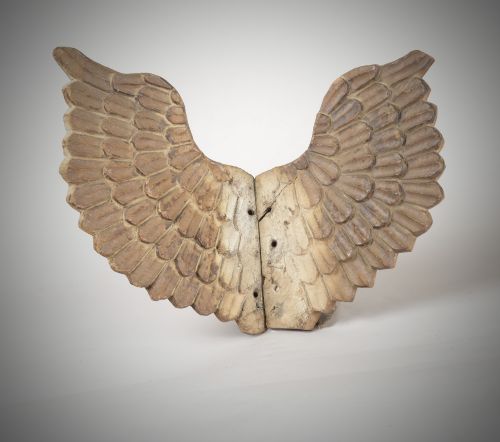
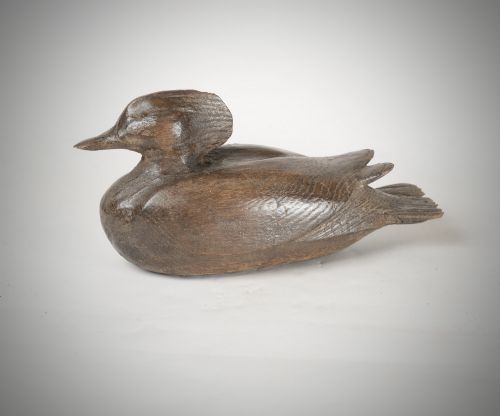
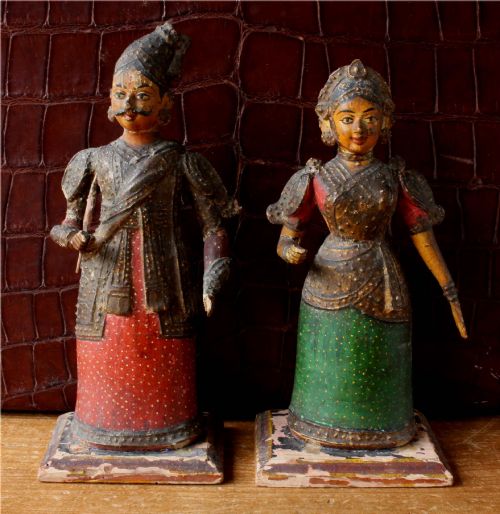
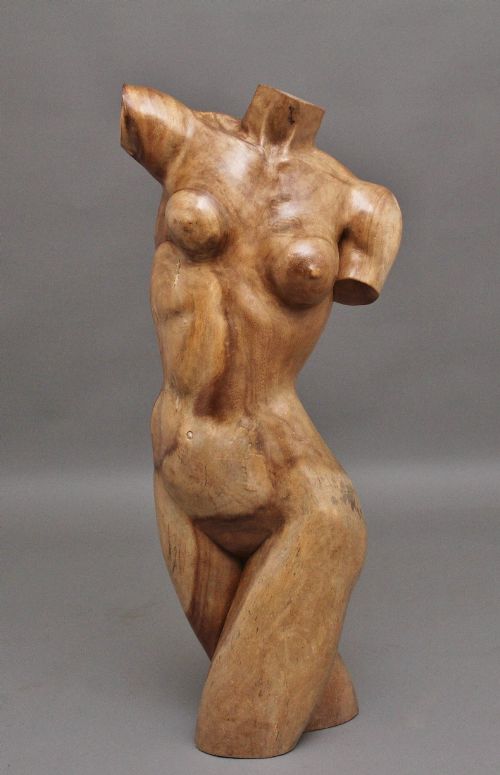
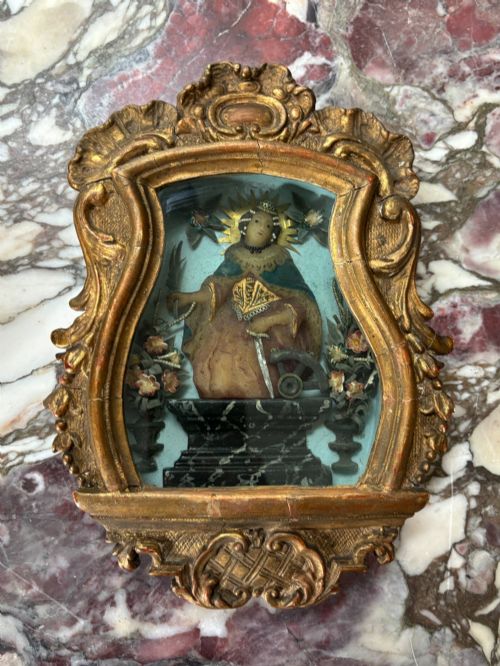
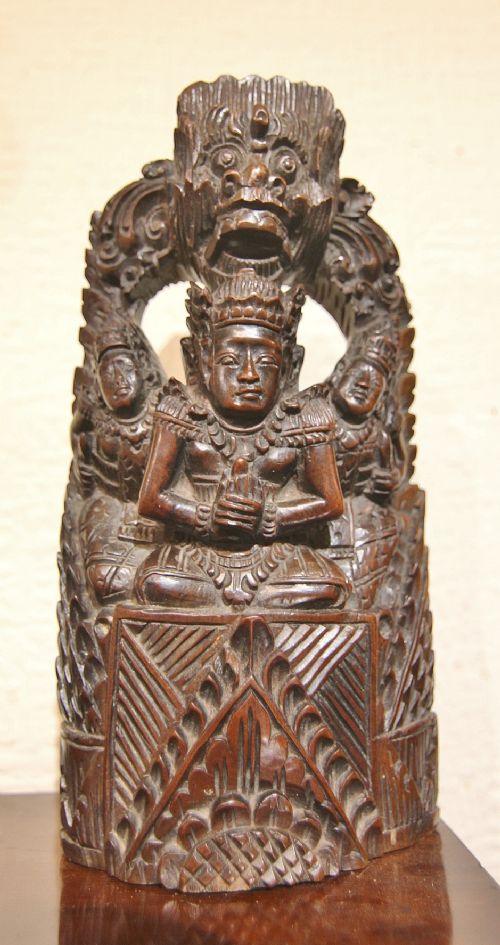
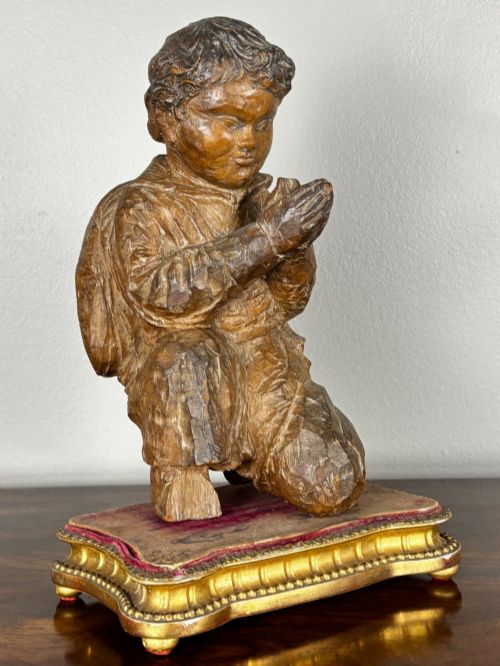
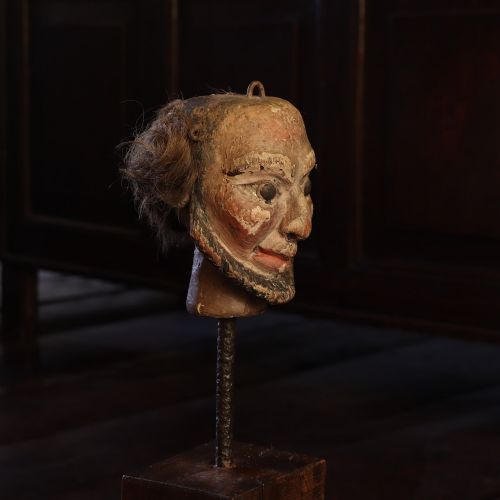
These wooden art sculptures range from medieval devotional figures to folk art decoys, each piece carved with distinct regional character.
Wooden Art Sculptures
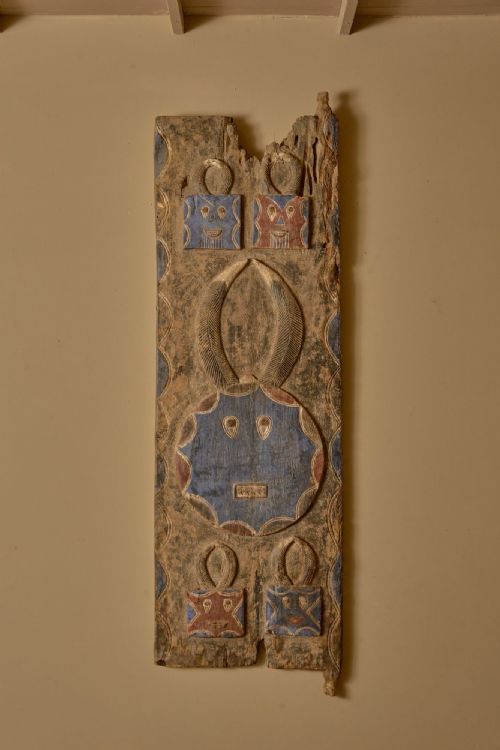
Wooden art sculptures span multiple centuries and traditions, capturing everything from religious devotion to utilitarian wildlife carving. The pieces appearing here stretch from sixteenth-century ecclesiastical panels to twentieth-century folk art decoys and Japanese animal figures.
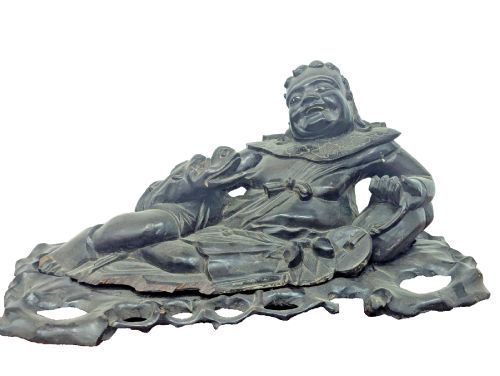
Religious subjects dominate the earlier periods, including saints, angels, and Madonna figures carved from lime wood, oak, and olive wood. Secular and folk items bring variety through decoy ducks, carved bears, and architectural elements originating across Europe and Asia.
The domestic and decorative side of these wooden art sculptures includes bird boxes, floral wall reliefs, and scratch-built models like carriages. Collectors encounter regional styles spanning Italian Baroque, Japanese folk art, and British vernacular work.
Materials and construction methods
Carvers worked directly into dense timbers such as oak, lime wood, walnut, chestnut, and cedar, utilising chisels and gouges to build depth and form. Grain direction guided the initial roughing out before finer details emerged under the blade.
Many surfaces received preparatory layers of gesso before painters applied pigments, polychrome, or gold leaf to enhance devotional and decorative impact. Unpainted surfaces relied on the natural warmth and figuring of the timber, often finished simply with wax or left raw.
Wooden Art Sculptures Retail Price Guide 2026
Typical asking prices for wooden art sculptures among the pieces listed under this phrase on Sellingantiques today, from the lower quarter to the upper quarter. They describe what is for sale here now, not the wider market.
Listings feature sixteenth-century oak panels, nineteenth-century Japanese cedar bears, and early twentieth-century painted decoy ducks.
Distinctions in quality and execution
The calibre of a carving rests on the confidence of the hand behind the tool, evident in the fluid drape of a saint's robe or the anatomical truth of an animal form. Finer works display purposeful undercutting and deliberate modulation that bring three-dimensional presence to the subject.
Surface treatments tell their own story regarding preservation and original intent, distinguishing professional ecclesiastical workshops from provincial folk art. Original polychrome and gilding that survives intact carries greater authority than later overpainting or stripped timber.
Shuho Nakahara
The Wooden Art Sculptures Glossary
- Polychrome
- Decoration consisting of several colours applied to wood or gesso surfaces. This finish is frequently found on religious figures from continental workshops.
- Gesso
- A plaster mixture spread over wood as a smooth base for painting and gilding. It provides a stable ground for delicate surface ornamentation.
- Okimono
- A Japanese ornamental carving designed for display on a shelf or cabinet. These objects often depict animals or figures with high naturalistic detail.
- Decoy
- A carved wooden bird or animal historically used to attract wildlife. Makers shaped these practical objects with simple lines and functional paint schemes.
- Ecclesiastical
- Relates to the Christian Church and its buildings. Pieces described this way typically originated in altarpieces, churches, or monastic settings.
Wooden Art Sculptures: Frequently Asked Questions
What periods do these sculptures cover?
The pieces span from the sixteenth century through the early twentieth century, encompassing medieval religious panels and Victorian folk objects alike.
European ecclesiastical workshops and Japanese carvers both contribute to this timeline, offering diverse stylistic benchmarks for collectors to examine.
How were painted wooden sculptures finished?
Many carvers applied gesso directly to the wood to create a smooth foundation for subsequent layers of pigment, polychrome, or gold leaf.
Other items utilised the natural grain of timbers like oak, walnut, or cedar, leaving the carved surface unpainted to display the raw material.
Where did these decorative figures originate?
The selection includes European religious carvings from Italy, Spain, France, and Germany, alongside British folk pieces and Asian works from Japan and China.
Regional traditions heavily influence both the subject matter, such as Daoist immortals or Christian saints, and the choice of local timber.
How should I display antique wood carvings?
These sculptures require stable indoor environments away from direct sunlight and extreme temperature fluctuations to protect dry timber and fragile painted surfaces.
Placing pieces on level pedestals or sturdy shelves allows the three-dimensional forms and carved details to be viewed from multiple angles.