




Wooden Architectural Ornaments
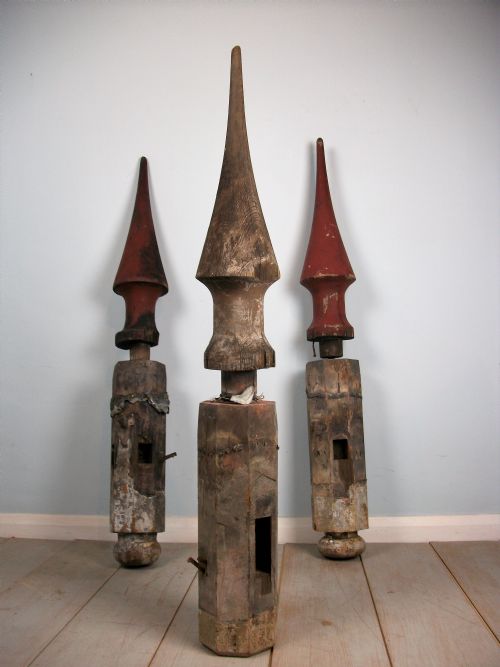
Wooden architectural ornaments bring history indoors, offering carved panels and finials that anchor a room with centuries of craftsmanship.
Wooden Architectural Ornaments
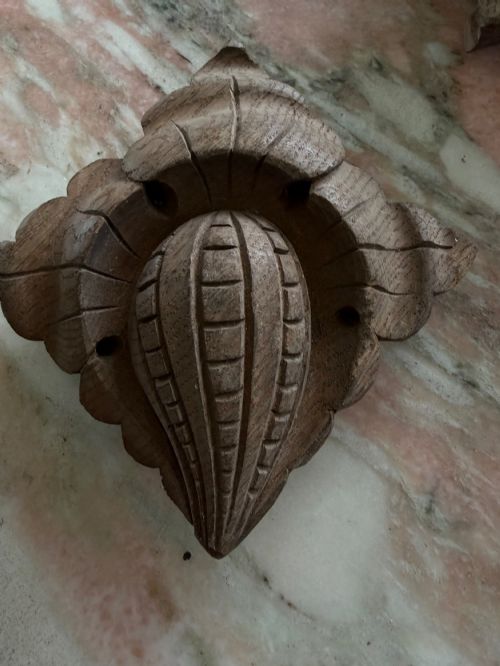
Wooden architectural ornaments include carved panels, finials, pediments, and ceiling bosses sourced from historic structures and furnishings. When buyers search for wooden architectural ornaments, they encounter pieces originating from the seventeenth, eighteenth, and nineteenth centuries.
The selections span distinct stylistic traditions such as Gothic, Chippendale, Italian Baroque, and French folk art. Many items function as wall sculptures or architectural salvage, preserving the sculptural detail of past interiors.
Oak and limewood appear frequently, often enhanced by gesso, paint, or gold and silver leaf. These elements originate from diverse settings including French châteaux, Italian properties, and English buildings.
How they were made
Carvers shaped solid timber, primarily oak and limewood, using hand chisels and gouges to achieve deep relief and intricate contours. Grain direction dictated the depth of the carving, particularly on ceiling bosses and pediments.
Surface decoration frequently involved layers of gesso applied to timber before receiving paint or gold and silver leaf. This preparatory ground allowed artisans to crisp up fine lines and create luminous metallic finishes.
Wooden Architectural Ornaments Retail Price Guide 2026
Typical asking prices for wooden architectural ornaments among the pieces listed under this phrase on Sellingantiques today, from the lower quarter to the upper quarter. They describe what is for sale here now, not the wider market.
A tiny carved Roman helmet reminds us that someone spent an entire afternoon making military headgear fit for a mouse.
What varies in quality
Depth of relief and crispness of chisel work distinguish superior carvings from simpler production. Master carvers achieved naturalistic movement and dimensionality in foliage and figures, whereas lesser pieces remain shallow and stiff.
The integrity of the original timber surface dictates overall merit. Untouched patination and remnants of historic gesso or leaf carry greater historical weight than stripped or heavily restored surfaces.
The Wooden Architectural Ornaments Glossary
- Ceiling boss
- A decorative projecting block at the intersection of ceiling ribs, often carved with floral or heraldic motifs. These architectural elements anchored vaulted ceilings in medieval and later buildings.
- Finial
- A decorative ornament that terminates the top of a spire, gable, or furniture piece. They take various stylized forms including urns, flames, and foliage.
- Pediment
- A triangular or curved gable crowning a doorway, window, or piece of furniture. In decorative woodwork, these often feature elaborate carving and gilding.
- Gesso
- A plaster mixture applied to wood to create a smooth surface for gilding or painting. It helps hold fine sculptural details before leaf is laid.
- Architectural salvage
- Salvaged building components rescued from structures slated for demolition or renovation. This category preserves historic craftsmanship for contemporary display.
Wooden Architectural Ornaments: Frequently Asked Questions
What are wooden architectural ornaments?
These pieces are rescued fragments from historic buildings and furniture, including ceiling bosses, finials, and carved panels.
They represent centuries of decorative woodworking traditions, showcasing styles from Gothic to Italian Baroque.
How were these ornaments used?
Historic interiors utilised these carvings on ceilings, doorways, and furniture to display status and artistic refinement.
Today, collectors mount them as wall sculptures or display them on pedestals as standalone works of art.
How do I live with wooden architectural ornaments?
Place them on neutral walls where their carved relief and historic patination can catch natural light.
Keep them away from direct heat sources and sudden humidity changes to protect the aged timber and gesso surfaces.
How do I identify the period of a carving?
Examine the wood species, tool marks, and stylistic motifs such as Tudor roses or Chippendale scrolls.
Comparing the decorative vocabulary helps distinguish seventeenth-century work from later nineteenth-century interpretations.