



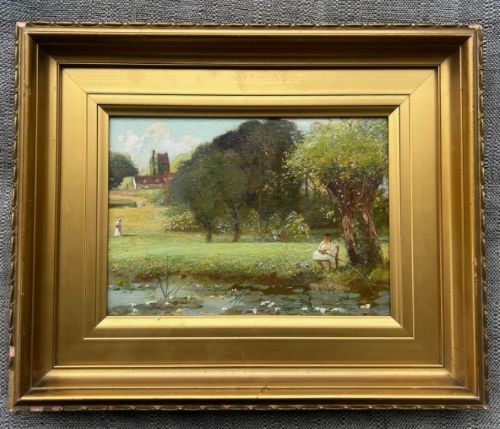


Wooded River Painting
A wooded river painting captures the quiet pull of nineteenth and early twentieth-century waterways framed by trees.
Wooded River Painting
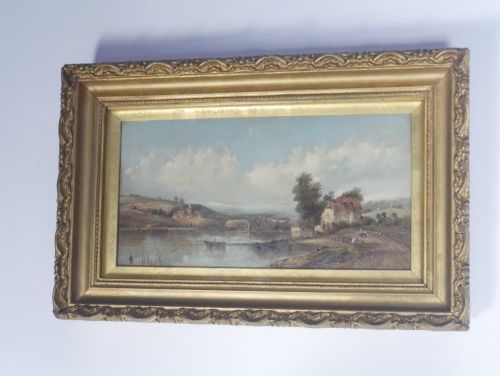
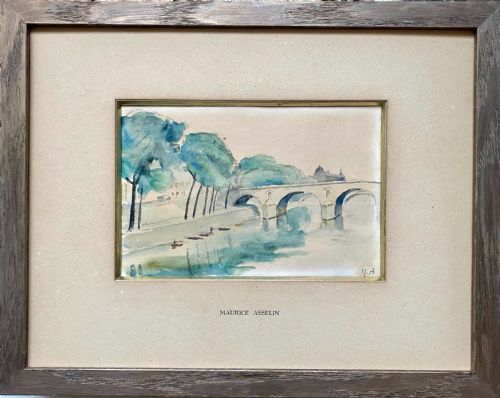
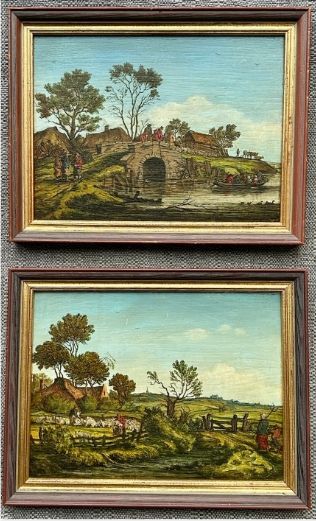
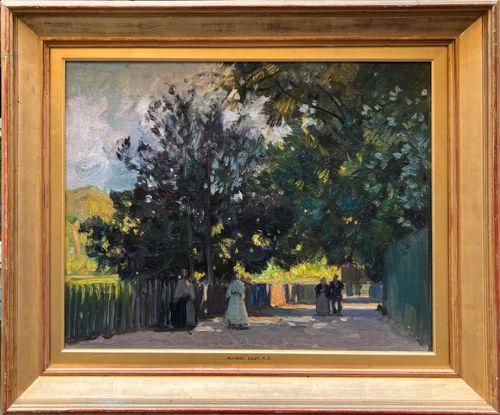
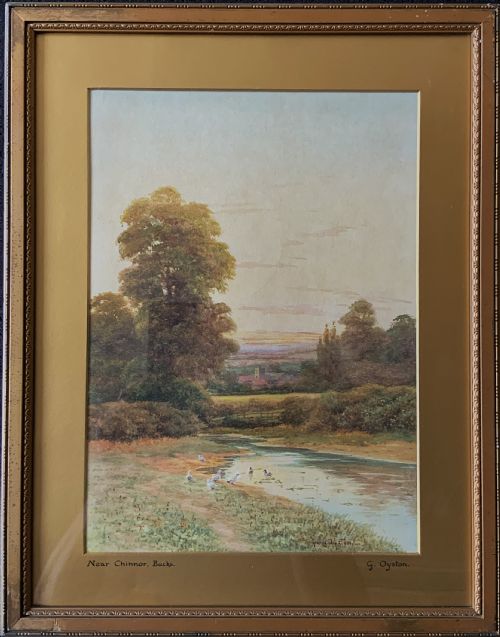
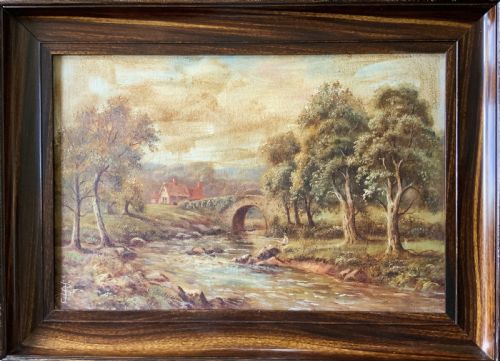
A wooded river painting depicts rural watercourses, banks, and overhanging trees through the lens of nineteenth and early twentieth-century artists. These works range from intimate watercolours to large oil compositions on canvas and wood panel.
The version most commonly met on this page is the nineteenth-century British or continental landscape rendered in oil, capturing specific rivers such as the Severn, the Teme, or Welsh streams.
How They Were Made
Artists built these scenes using oil paint applied to stretched canvas or prepared wood panels, often working plein air to catch natural light. Framed in gilt wood, the finished works combined pigment and oil binders to achieve lasting depth.
Watercolour variants relied on paper supports, applying translucent washes of pigment to capture river mists and light.
Wooded River Painting Retail Price Guide 2026
Typical asking prices for wooded river painting among the pieces listed under this phrase on Sellingantiques today, from the lower quarter to the upper quarter. They describe what is for sale here now, not the wider market.
One unexpected canvas catches an artist waiting patiently by the water for a bite while cows watch from the bank.
What Varies in Quality
Quality rests in the handling of light through the canopy and the convincing movement of water. Skilled artists manage atmospheric perspective, making distant river bends recede naturally.
The integration of the original frame, often gilt wood, adds to the integrity of the piece.
George Oyston·TB Hardy·Sir Alfred East·Florence Adelina Hess·T Bergman·Sydney Yates Johnson·Hubert Wellington·Sir David Murray·Robert John Hammond·Clarence Henry Roe·H Wallace·William Mellor·Walter J Watson·Benjamin Williams Leader·George Arthur Fripp·Maud Raphael Jones·Edmond Defonte·Henry Birtles·Augustus William Enness·George Parson-Norman·Everett W Mellor·Francis Moltino
The Wooded River Painting Glossary
- Oil on Canvas
- Pigment mixed with drying oil applied to a woven fabric support stretched over a wooden frame. This combination allows for rich blending and textured brushwork.
- Wood Panel
- A rigid wooden board used as a painting support instead of canvas. Artists frequently utilised panels for smaller, detailed landscapes.
- Gilt Wood
- Timber carved and coated with a thin layer of gold leaf or gold-coloured metallic finish. It forms the decorative border around many period paintings.
- Plein Air
- Painting outdoors to directly capture the changing effects of light and weather upon a landscape. This method gained prominence in nineteenth-century art.
- Watercolour
- A painting method where water-soluble pigments are suspended in a water-based solution and applied to paper. It creates transparent washes well-suited to river scenes.
Wooded River Painting: Frequently Asked Questions
What is a wooded river painting?
A wooded river painting is a landscape artwork depicting a watercourse surrounded by trees and foliage. These pieces typically date from the nineteenth and early twentieth centuries.
Created in oil or watercolour, they record rural and riverine scenery across Britain and continental Europe.
How do I hang and display these paintings?
Display these works away from direct sunlight and damp environments to protect the canvas, wood panel, or paper supports. Stable indoor humidity preserves both the paint and the original gilt wood frame.
Ensure wall fixings match the weight of the framed piece, particularly for larger oil paintings.
How can I tell the period of the painting?
Examine the materials, stretcher construction, and framing style alongside any artist signatures and dates. Nineteenth-century works often use heavy canvas or wood panels with period gilt frames.
Subject matter and brushwork style also offer clear clues to whether a piece belongs to the Victorian era or the early twentieth century.
Were these painted outdoors?
Many landscape artists worked plein air, setting up easels beside riverbanks to capture natural light and reflections directly. Other compositions were developed in the studio using earlier field sketches.
Both methods produced the detailed river scenes seen across this collection.