

Wood Tray on Stand
A wood tray on stand is a portable serving surface paired with a stable folding or fixed base, prized for versatile entertaining.
Wood Tray on Stand
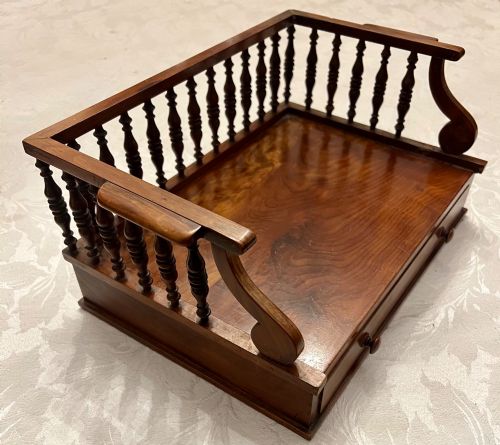
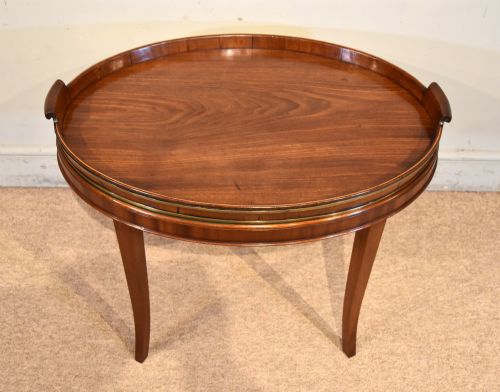
A wood tray on stand combines a removable shallow container with a dedicated support structure, functioning as both a portable server and a sturdy display surface. The form originates primarily in the Georgian, Victorian, and Edwardian periods, maintaining utility across domestic spaces.
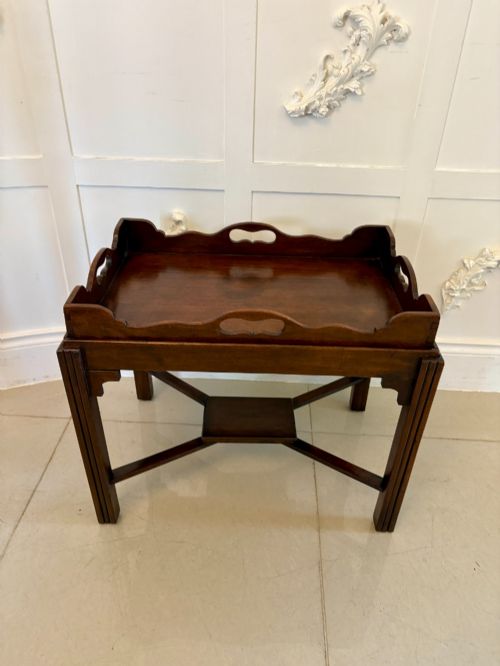
The most common iteration met on this page is the traditional butler's tray, featuring a rectangular or oval timber top with hinged sides that drop flat or lock upright. These examples span the eighteenth and nineteenth centuries, constructed predominantly in rich mahogany or oak.
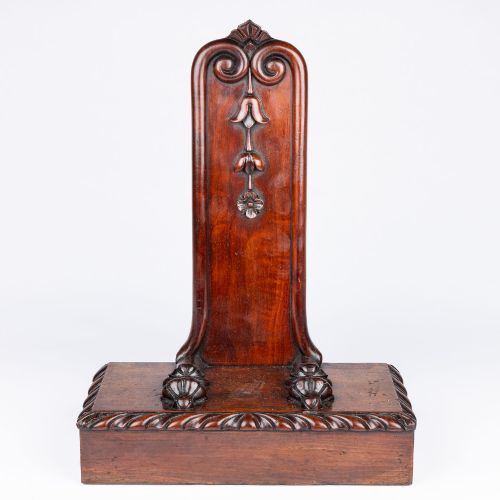
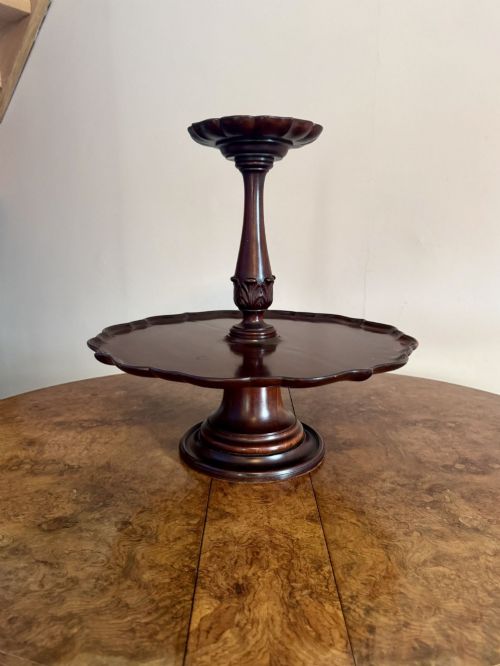
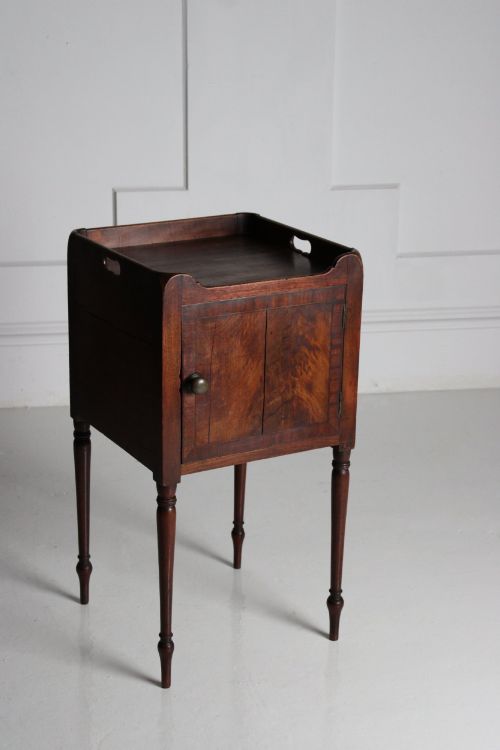
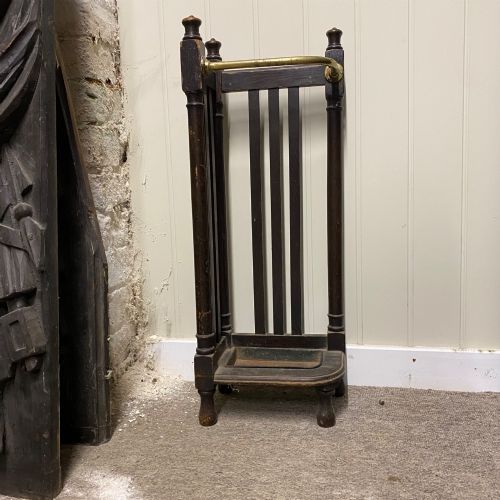
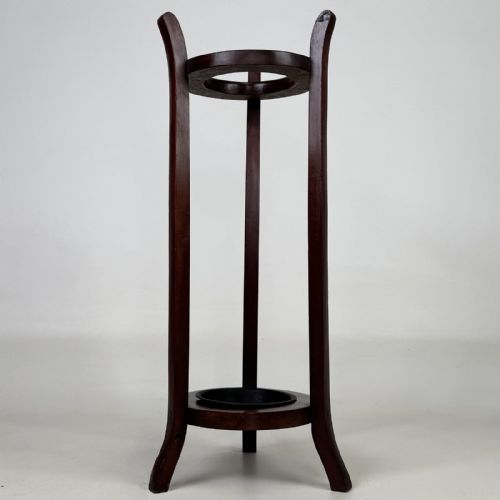
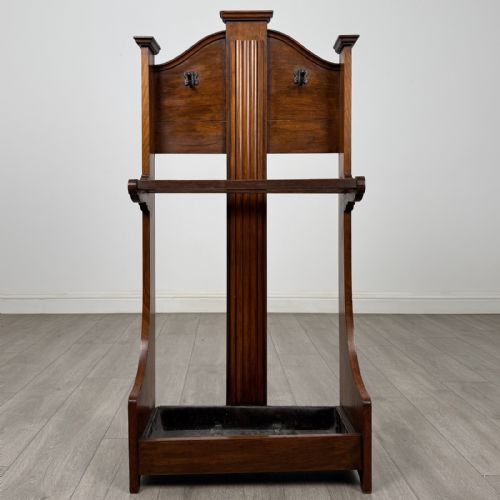
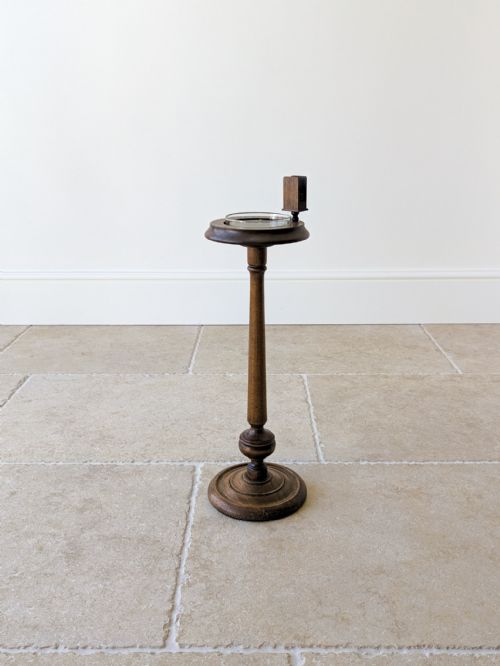
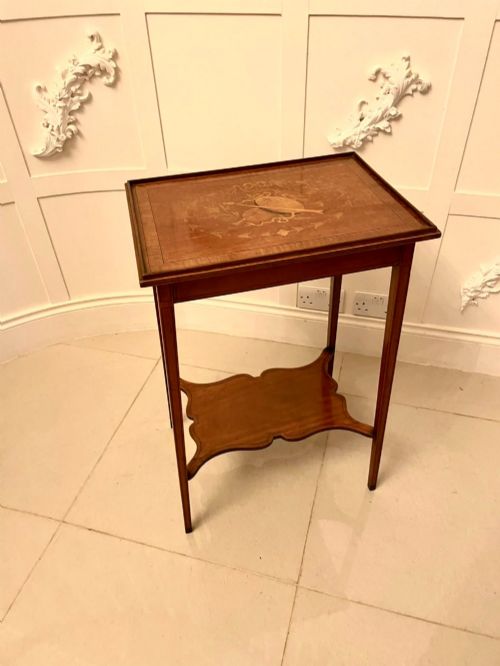
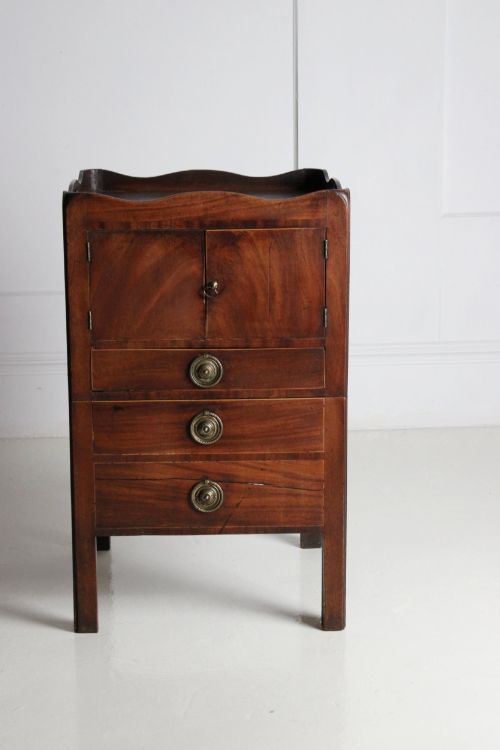
Beyond standard serving trays, related functional stands appear across the inventory, including folding frames, dumb waiters, and occasional tables. These pieces reflect the varied domestic requirements of past centuries, utilising timber construction for daily durability.
How they were made
Cabinet makers constructed these trays and stands using dense native and imported timbers, notably mahogany, oak, walnut, and satinwood, occasionally accented with brass handles or hinges. Surfaces frequently display polished finishes that highlight the natural grain patterns of the wood.
Joinery techniques varied from hand-cut dovetails on tray corners to sturdy pegged mortise and tenon joints on the folding or fixed stands. Stands were engineered to support the weight of loaded trays while remaining collapsible or easily movable around a room.
Wood Tray on Stand Retail Price Guide 2026
Typical asking prices for wood tray on stand among the pieces listed under this phrase on Sellingantiques today, from the lower quarter to the upper quarter. They describe what is for sale here now, not the wider market.
Listings feature mahogany, oak, satinwood, and coromandel wood across Georgian, Victorian, and Edwardian periods.
What varies in quality
Quality rests in the selection of timber and the precision of the carpentry, distinguishing standard utility items from refined domestic furnishings. Superior pieces feature finely figured mahogany or delicate satinwood inlay work rather than plain, utilitarian boards.
The sophistication of the folding mechanism and the integration of the tray with its base dictate the overall calibre of the piece. Well-balanced stands with tight hinge fittings and original brass hardware demonstrate superior original craftsmanship.
Thonet
The Wood Tray on Stand Glossary
- Butler's tray
- A shallow rectangular or oval wooden tray, often featuring hinged sides, designed to lift off a folding X-frame stand for serving. These pieces became a dining room staple during the Georgian period.
- Dumb waiter
- A multi-tiered freestanding serving stand used to hold dishes or drinks without needing servants present. They appear in mahogany across Georgian and Regency eras.
- Satinwood
- A lustrous, fine-grained yellow timber imported from tropical regions, frequently utilised for decorative inlays on high-status eighteenth and nineteenth century furniture.
- Coromandel wood
- A heavy, dark Asian timber featuring distinctive black stripes, used primarily for luxury nineteenth century desk accessories and small stands.
Wood Tray on Stand: Frequently Asked Questions
What is a wood tray on stand used for?
These items functioned historically as portable serving tables for drinks or meals, allowing staff to move provisions between rooms easily.
In modern interiors, they serve equally well as cocktail tables, bedside surfaces, or plant stands that you can reposition with minimal effort.
How do I distinguish Georgian from Victorian examples?
Georgian versions typically exhibit restrained lines, superior timber selection, and understated craftsmanship dating from the eighteenth or early nineteenth century.
Victorian and Edwardian pieces often incorporate heavier proportions, darker finishes, or decorative elements like satinwood inlay reflecting changing interior tastes.
Are the trays permanently fixed to the stands?
Most traditional butler's trays lift completely off their folding or rigid X-frames, which allows the surface to double as a serving tray.
Some variations feature secured tops or tiered shelf structures that remain permanently assembled as side tables or dumb waiters.
How do I care for antique timber stands?
Keep these wooden pieces away from direct heat sources and strong sunlight to prevent the timber from drying out or warping.
Apply a quality beeswax polish periodically to nourish the surface and maintain the natural lustre of the mahogany or oak.