

Wood Swing Mirror
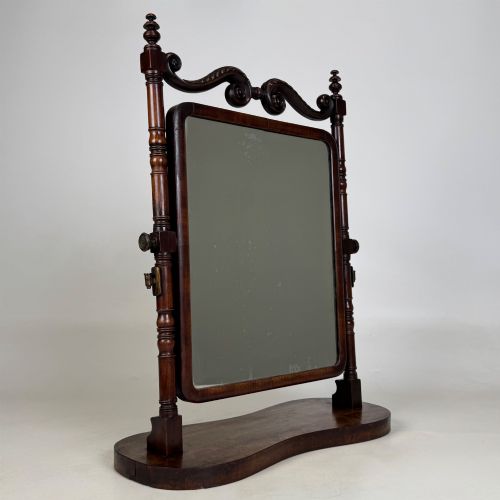
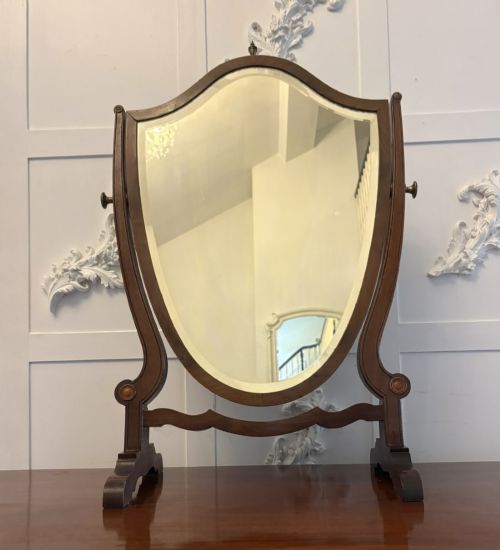
A wood swing mirror provides the practical function of a movable glass panel supported by a frame, offering adjustable reflection for dressing and grooming.
Wood Swing Mirror
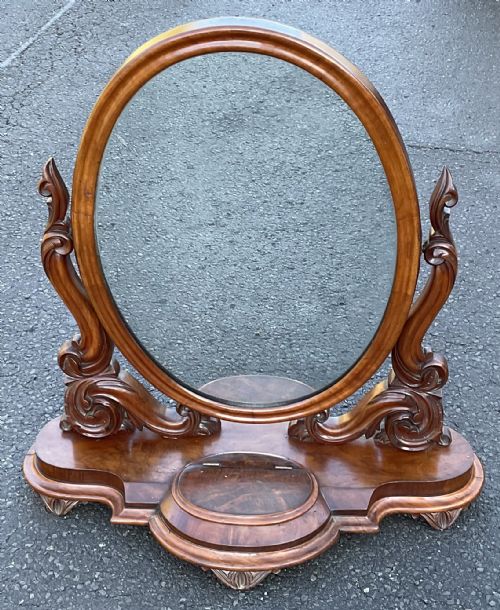
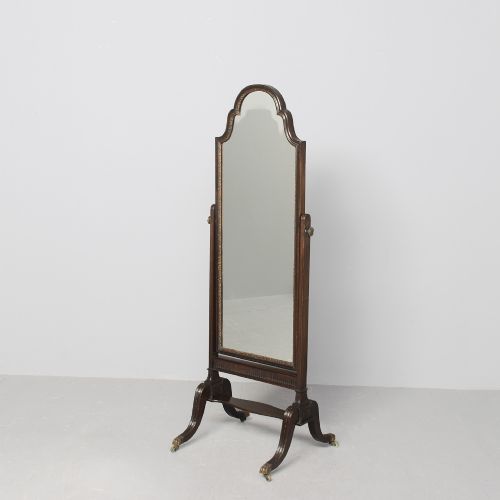
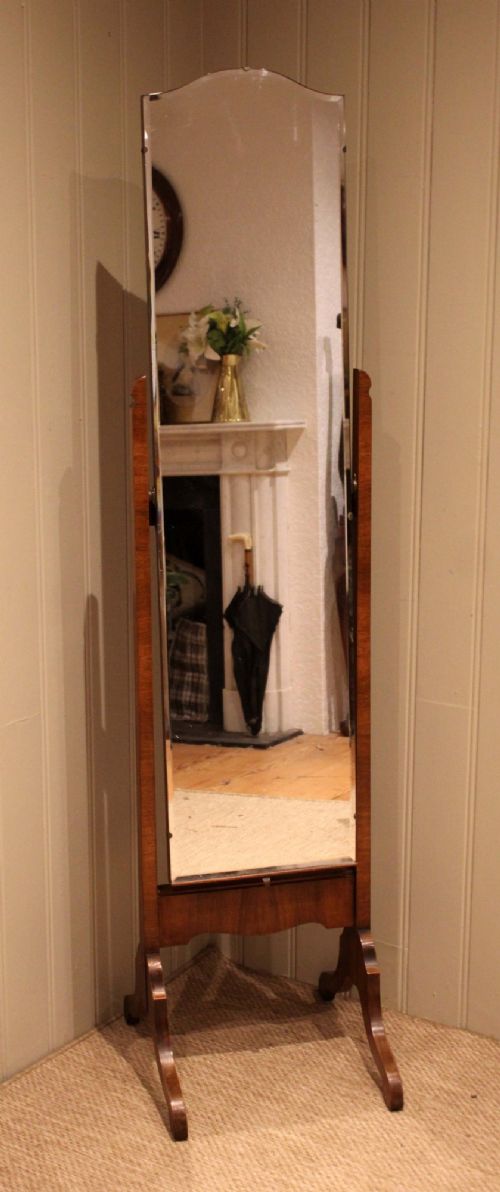
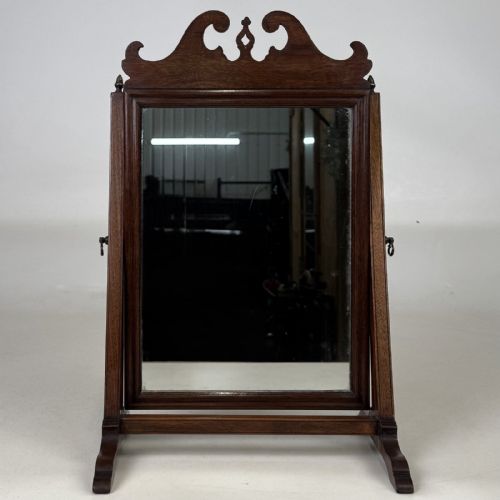
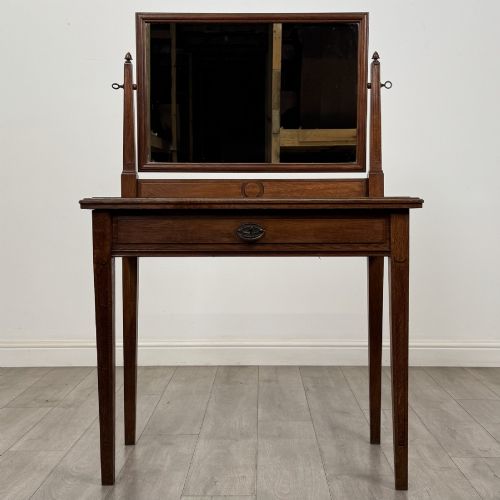
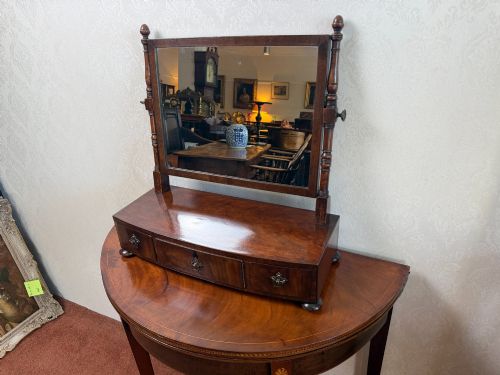
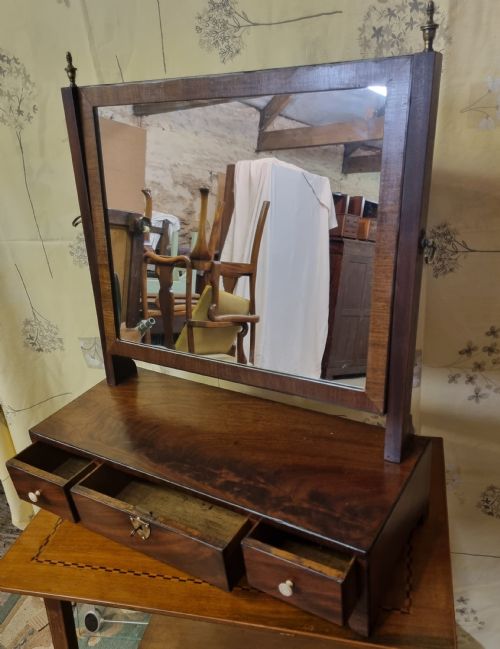
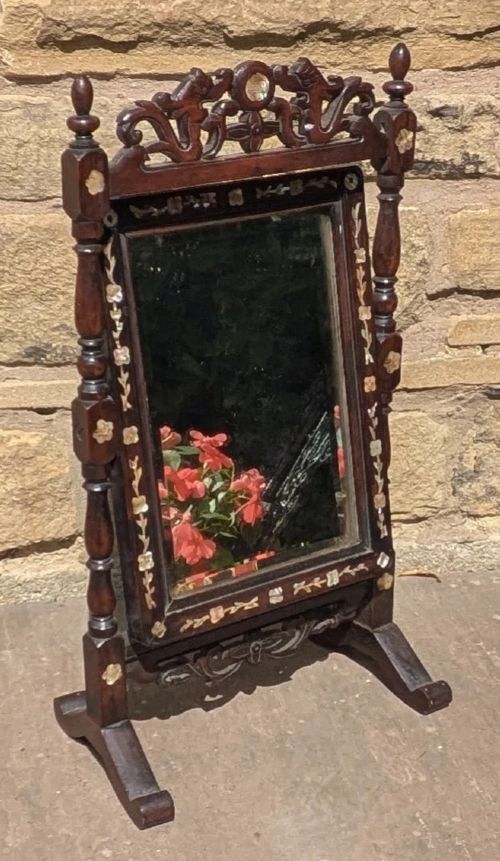
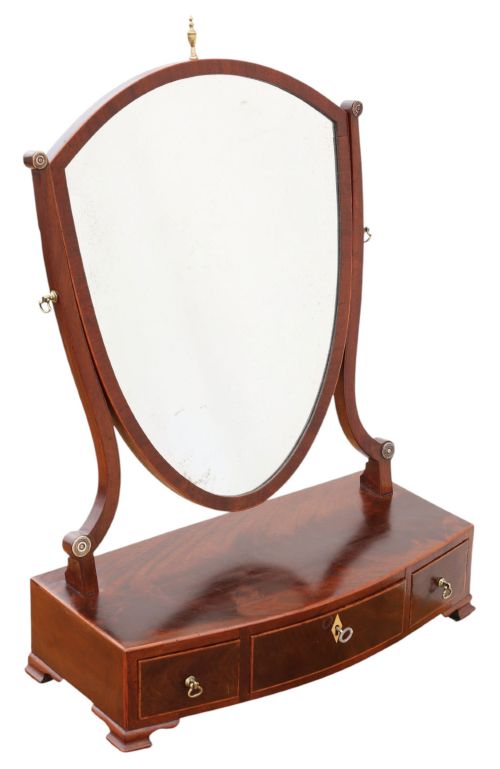
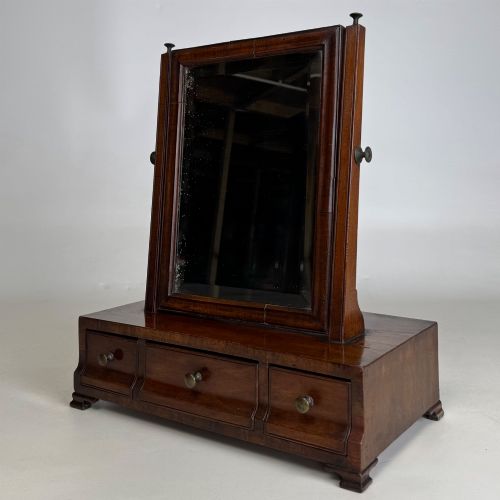
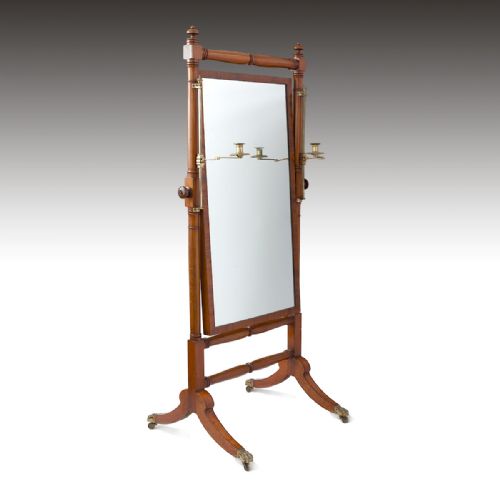
A wood swing mirror takes several distinct forms across the periods represented, ranging from compact table versions to full-length freestanding cheval designs. The buyer looking at this selection encounters numerous variations designed for dressing tables, chests, and floor placement.
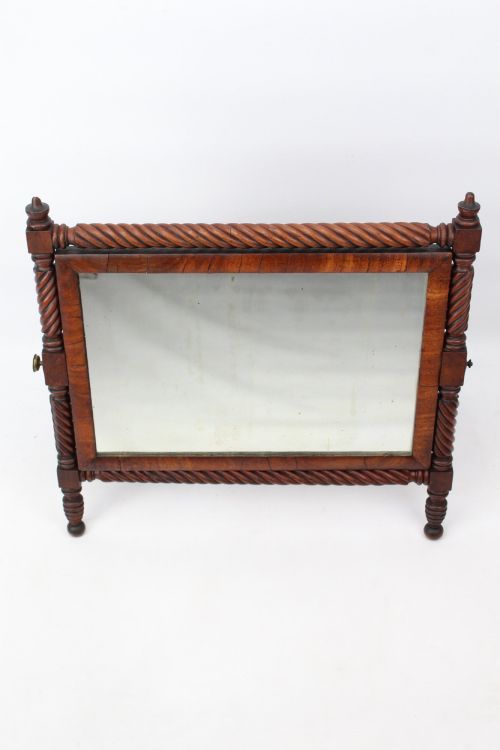
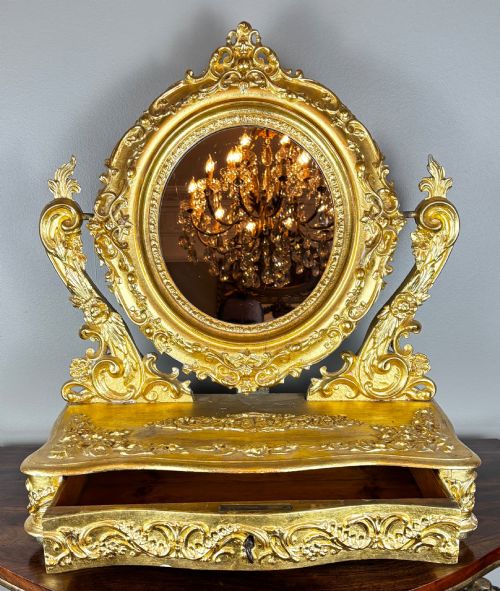
The materials and styles span the eighteenth and nineteenth centuries, featuring Georgian, Regency, and Victorian pieces alongside Edwardian examples. Mahogany forms the predominant timber used across these eras, supplemented by walnut, satinwood, and giltwood.
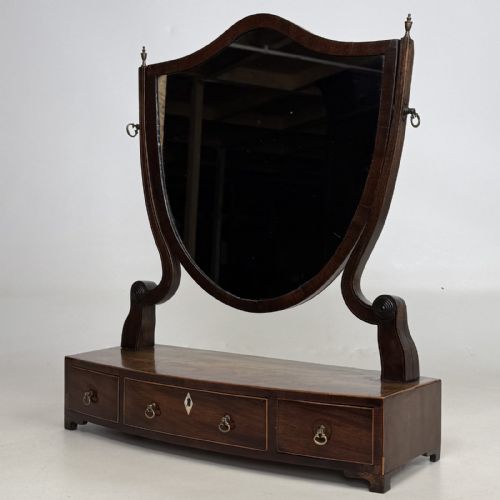
Table mirrors and toilet mirrors often incorporate small drawers within their base structures, while larger cheval mirrors stand independently on four legs or sturdy scroll feet. These objects originate from English, Scottish, Italian, Dutch, and Chinese workshops.
Materials and Construction Techniques
Makers utilised solid timbers and veneers, predominantly mahogany and walnut, applying crossbanding, marquetry inlay, and bone or mother of pearl details to decorate the frames. Brass fittings such as candle sconces, screw knobs, and pivoting armatures secure the glass plates within their upright supports.
The mirror glass itself rests within rebated wooden frames, hung upon pivoting side screws that allow the angle of reflection to alter. Base units utilise traditional cabinet-making joints for the small drawers often positioned beneath the glass plate.
Wood Swing Mirror Retail Price Guide 2026
Typical asking prices for wood swing mirror among the pieces listed under this phrase on Sellingantiques today, from the lower quarter to the upper quarter. They describe what is for sale here now, not the wider market.
Listings feature pieces spanning the Georgian, Regency, Victorian, and Edwardian periods, constructed in mahogany, walnut, satinwood, and giltwood.
Distinctions in Execution
The refinement of the carving, the choice of timber figure, and the precision of the crossbanding separate standard utilitarian pieces from high workshop productions. Superior examples display balanced proportions, fine brass mounts, and well-figured grain selected by the maker.
Structural integrity depends upon the joinery connecting the upright arms to the heavy weighted base or box stand, ensuring the pivoting mirror plate remains stable at any chosen angle.
Heal & Sons·P & MA Nicholson·Gillow
The Wood Swing Mirror Glossary
- Cheval mirror
- A large freestanding swing mirror supported on four legs or a solid frame, tall enough to reflect the entire figure.
- Toilet mirror
- A smaller dressing table mirror, frequently mounted on a box base containing one or more small drawers.
- Crossbanding
- A decorative border of veneer laid with the grain running perpendicular to the main panel surface, often seen on fine Georgian pieces.
- Gesso
- A plaster-like mixture applied to wooden surfaces as a base for gilding, characteristic of Italian rococo frames.
- Marquetry
- Inlaid patterns of contrasting wood veneers, bone, or shell forming decorative scenes or geometric motifs on the cabinet work.
Wood Swing Mirror: Frequently Asked Questions
What is a wood swing mirror?
A wood swing mirror is an adjustable looking glass mounted on pivoting side pins within a wooden frame, designed to tilt for personal grooming.
These pieces range from small table-top boxes with drawers to tall freestanding cheval designs intended for bedroom placement.
How were these mirrors used?
They were placed upon dressing tables, chest tops, or directly on the floor to provide adjustable angles for dressing, shaving, and hair styling.
The small drawers incorporated into many table versions served to store jewellery, cosmetics, and small personal accessories.
How do I date a swing mirror?
Dating relies upon identifying the prevailing timber, stylistic details such as bracket feet or rope twist columns, and construction methods.
Georgian and Regency pieces favour mahogany with fine crossbanding, while Victorian and Edwardian examples often display heavier proportions or alternative woods like satin birch.
Where should I place one?
These mirrors suit bedrooms and dressing rooms, placed upon sturdy chests of drawers, dressing tables, or positioned as freestanding floor items.
Ensure the supporting surface is level and secure enough to bear the weight of the timber frame and glass plate.