



Wood Pillar Table
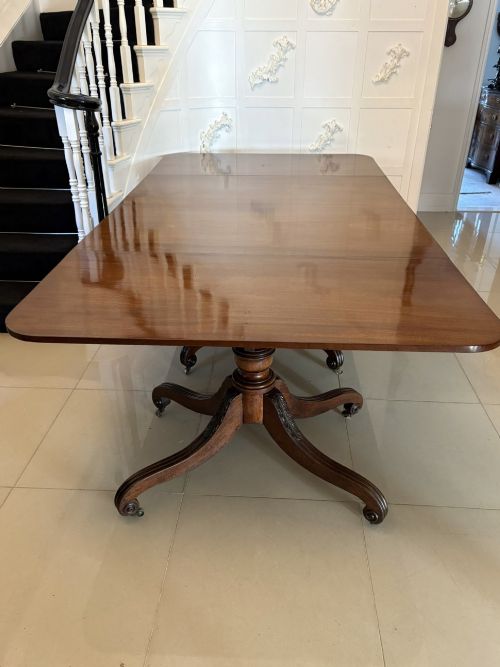
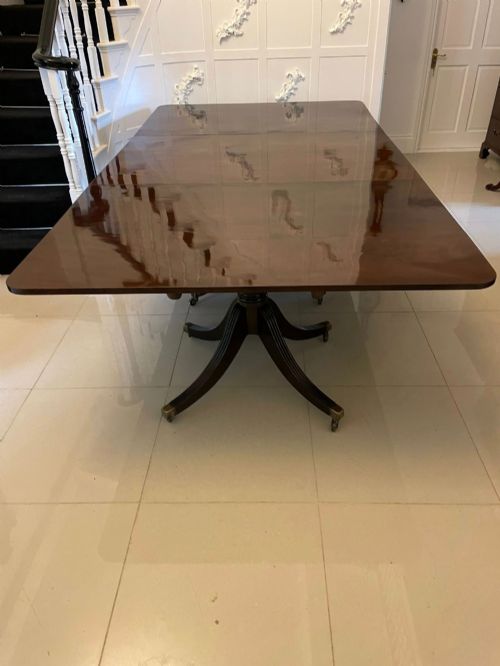
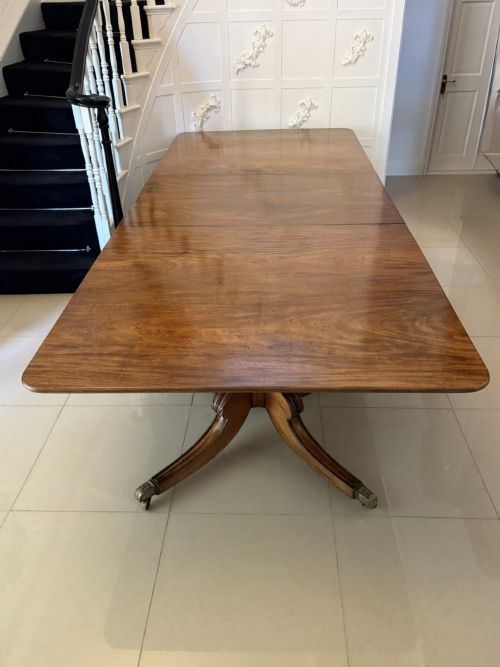
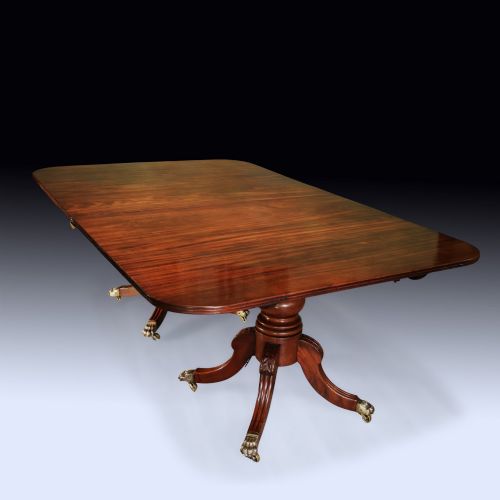
A wood pillar table brings architectural presence and versatile dining or display space to a room, uniting solid timbers with sturdy central supports.
Wood Pillar Table
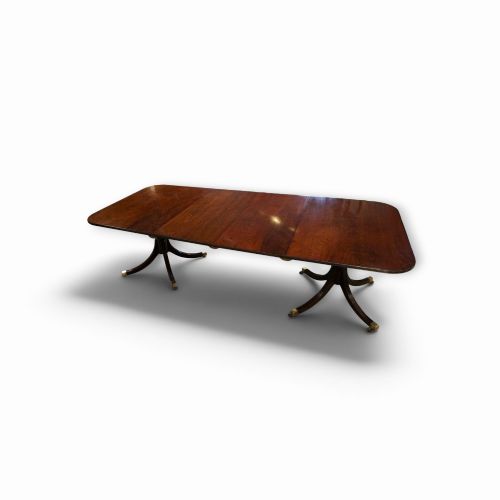
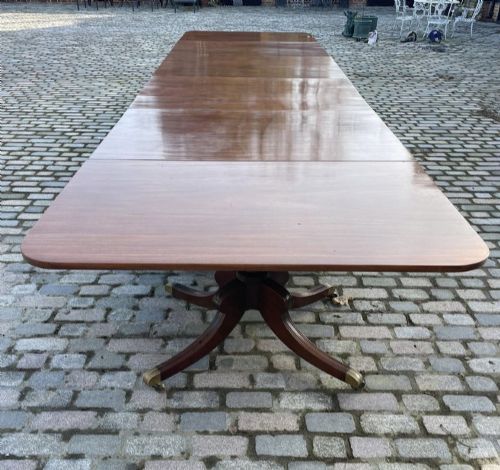
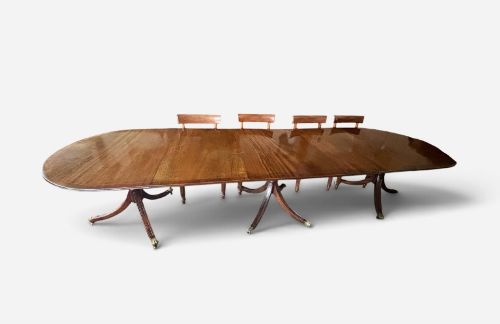
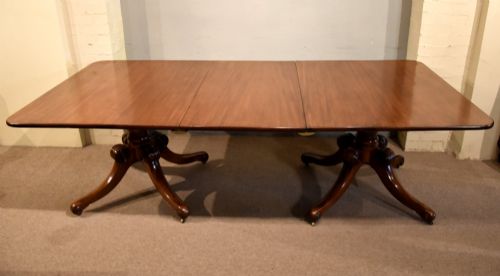
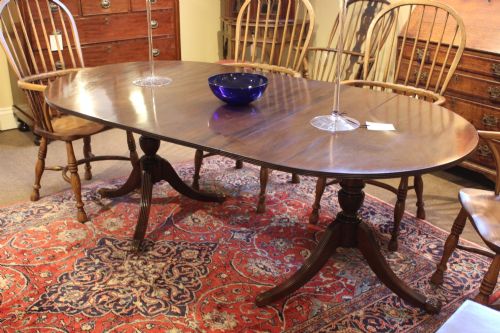
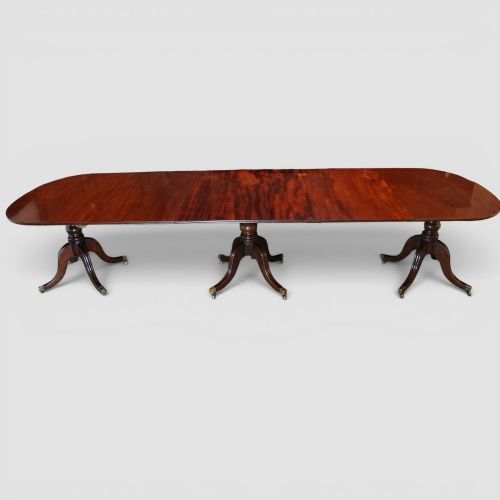
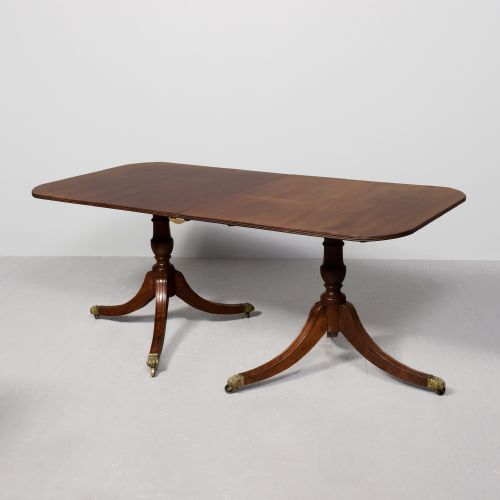
When searching for a wood pillar table, buyers encounter a diverse selection ranging from expansive dining furniture to compact occasional and side tables. The majority of pieces appearing here are grand multiple-pillar dining tables designed for large gatherings, alongside smaller pedestal, console, and sofa tables.
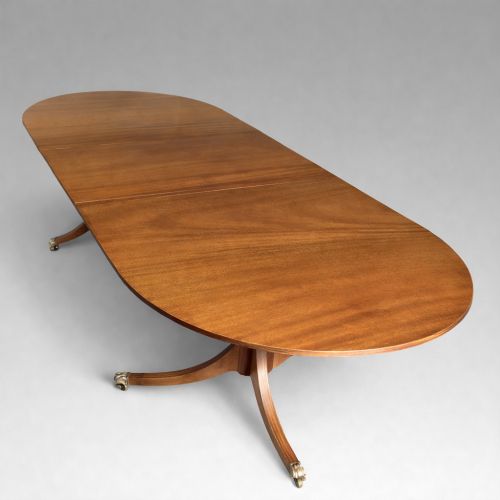
The evidence shows periods stretching from the seventeenth century through the Georgian, Regency, and Victorian eras, up to later revivals from the twentieth century. Dining versions often incorporate removable leaves to adjust length, whilst smaller examples serve specific functions in sitting rooms and hallways.
Makers and designers from the Regency and George III periods established enduring forms that later nineteenth- and twentieth-century workshops frequently copied or adapted. Buyers select these tables for their combination of figured timber surfaces and stable column or pedestal structures.
Materials and Construction
Mahogany dominates the listings, frequently selected for its rich grain, stability, and suitability for large dining surfaces. Carpenters also utilised oak, burr walnut, walnut, and rosewood, sometimes combining solid timbers with figured veneers to create decorative tabletops.
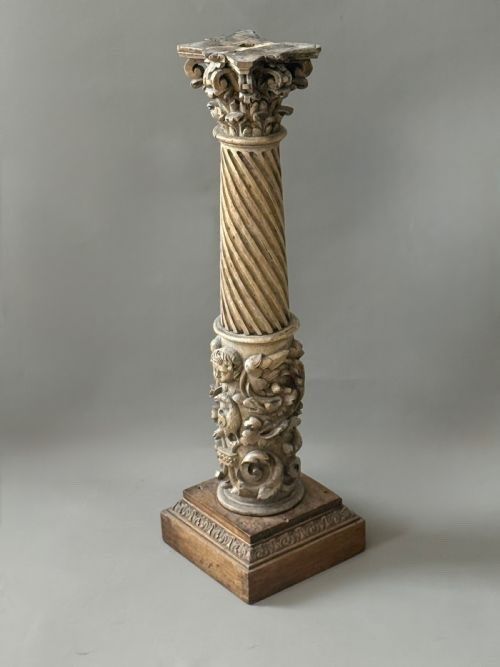
Structural support relies on robust central pillars, pedestals, or carved wooden columns that distribute weight outward to feet or tripod bases. Brass fittings, castors, and inlaid details often complement the primary wood, while gesso and paint appear on specific decorative items.
Wood Pillar Table Retail Price Guide 2026
Typical asking prices for wood pillar table among the pieces listed under this phrase on Sellingantiques today, from the lower quarter to the upper quarter. They describe what is for sale here now, not the wider market.
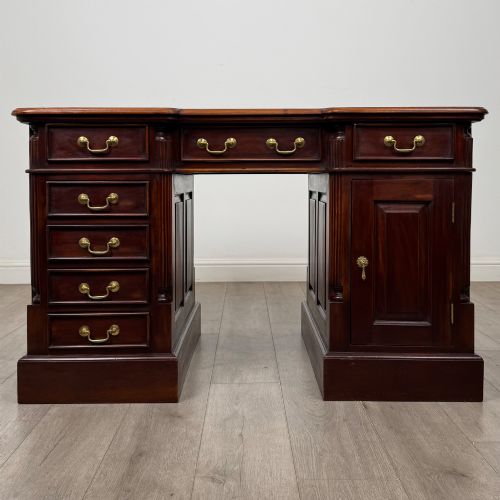
Listings feature mahogany, oak, burr walnut, walnut, rosewood, brass, gesso, and paint across dining tables, desks, lamp bases, and console tables.
Assessing Quality and Craftsmanship
Quality in these tables depends on the selection of figured mahogany or walnut veneers and the integrity of the timber joints connecting the pillars to the top and base. Superior examples demonstrate careful matching of wood grain across extension leaves and robust internal framing that prevents sagging.
The crispness of carved details on the pillars and feet distinguishes standard production from finer cabinetmaking. Well-executed turning, stable weight distribution, and original brass hardware elevate certain pieces above later revival or standard commercial alternatives.
William Trotter
The Wood Pillar Table Glossary
- Pillar table
- A freestanding table supported by one or more central columns or pedestals rather than four corner legs. This construction allows greater legroom around the perimeter.
- Twin-pillar dining table
- A long dining table supported by two central pedestals, often designed to accept removable leaves for extension. Multiple pillar variations accommodate seating for twelve to twenty-eight people.
- Figured mahogany
- Timber cut to reveal distinctive grain patterns such as flame or fiddleback. Cabinetmakers prized this material for formal tabletops.
- Sofa table
- A rectangular side table traditionally placed in front of a sofa, usually featuring drop leaves and small drawers. These pieces often rest on pillar supports or twin pedestals.
- Console table
- A table designed to stand flat against a wall, frequently utilised in hallways or reception rooms. They appear in woods such as bleached oak.
- Tripod table
- A small occasional table supported by a single central pillar resting on three spreading feet. This form allows the top to tilt on many historical examples.
Wood Pillar Table: Frequently Asked Questions
What is a wood pillar table?
A wood pillar table is a piece of furniture supported by one or more central columns instead of traditional corner legs. This design provides structural stability whilst maximising seating space.
Listings for this phrase include grand dining furniture with two, three, or six pillars, alongside smaller occasional, sofa, and console tables.
How do I use a pillar dining table?
Pillar dining tables function primarily as central dining room fixtures, often equipped with removable leaves to alter the overall length. This flexibility allows hosts to seat anywhere from ten to twenty-eight guests.
Positioning requires sufficient clearance around the central pedestals and feet to ensure diners sit comfortably without obstruction.
How do I identify the period of a table?
Dating relies on observing stylistic markers, timber types, and construction methods characteristic of periods like the Georgian, Regency, or Victorian eras. For instance, George III and Regency pieces display specific classical carving motifs and dense figured mahogany.
Later revival pieces from the twentieth century often replicate these earlier proportions and design details using similar hardwoods.
What woods are common in these tables?
Mahogany is the predominant timber found across these listings, valued for its durability and rich appearance. Cabinetmakers also utilised oak, burr walnut, walnut, and rosewood for specific top surfaces and decorative inlay.
Secondary woods and brass components frequently support the primary structural timbers on pedestals and extending mechanisms.