





Wood Framed Photograph
A wood framed photograph brings immediate period character to a room, pairing original historical imagery with substantive timber surrounds.
Wood Framed Photograph
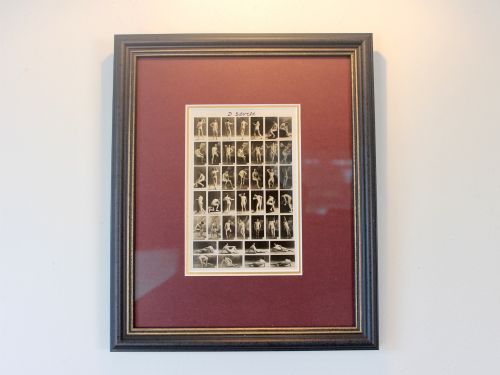
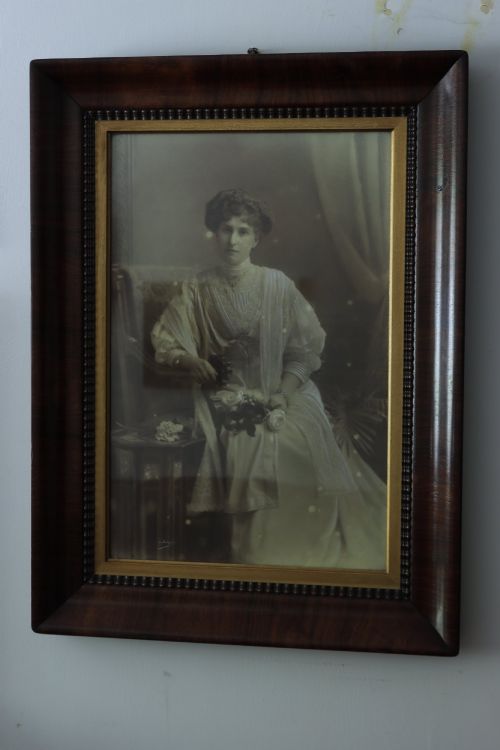
Every wood framed photograph combines historical photographic imagery with period framing, spanning the Victorian, Edwardian, and Art Deco eras. These pieces capture portraiture, male nudes, sporting scenes, and Continental views within protective timber structures.
The selection here encompasses individual framed portraits, multi-opening displays, and contact sheets preserved behind glass. Materials range from carved oak and hardwood to gilt gesso surfaces framing original sepia prints and early glass autochromes.
Buyers encounter diverse aesthetic movements within these listings, from Victorian Rococo Revival and Orientalism to Grand Tour aesthetics. The timber frames serve as the primary structural housing, protecting fragile paper and glass photographic media.
Materials and construction methods
Makers constructed these housings using solid timbers like oak and various hardwoods, frequently applying gold leaf, silver, or gilt gesso decoration to the surface. The frames secure the photographic contents behind glass protection, preserving delicate paper prints and autochromes against environmental degradation.
Photographic techniques span early sepia prints, contact sheets, and glass autochromes, reflecting the technological shifts of the nineteenth and early twentieth centuries. Artisans combined traditional woodworking joints with decorative surface carving to house these images securely.
Wood Framed Photograph Retail Price Guide 2026
Typical asking prices for wood framed photograph among the pieces listed under this phrase on Sellingantiques today, from the lower quarter to the upper quarter. They describe what is for sale here now, not the wider market.
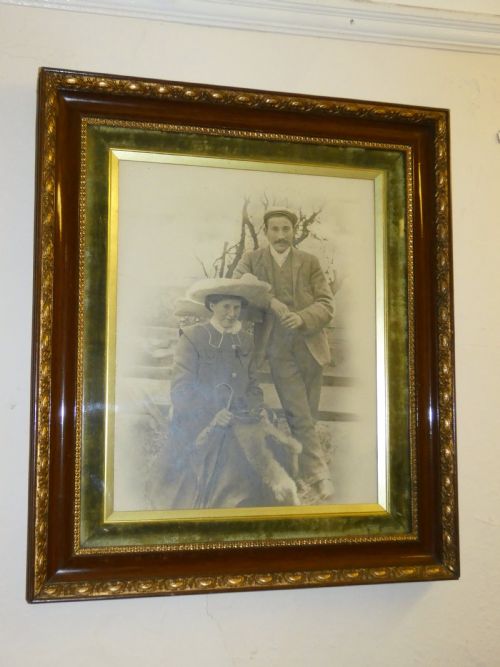
Several pieces capture men in uniform and gentlemanly pursuits, proving that Victorian men loved posing for the camera just as much as anyone else.
Quality factors in framing and photography
Quality rests in the harmony between the photographic medium and the execution of the timber frame, distinguishing workshop output from mass production. Deeply carved oak or carefully gilded gesso surrounds demonstrate higher artisanal investment than plain utility mouldings.
The preservation state of the photographic print or autochrome dictates the historical integrity of the piece. Intact glass plates, clear sepia tones, and original backing materials elevate the overall standard of the surviving object.
Julian Mandel
The Wood Framed Photograph Glossary
- Autochrome
- An early colour photographic process using dyed potato starch grains on a glass plate. These delicate plates require careful housing behind glass.
- Contact sheet
- A photographic print made by placing negatives directly against sensitive paper. These sheets reveal multiple sequential exposures from a single shoot.
- Crystoleum
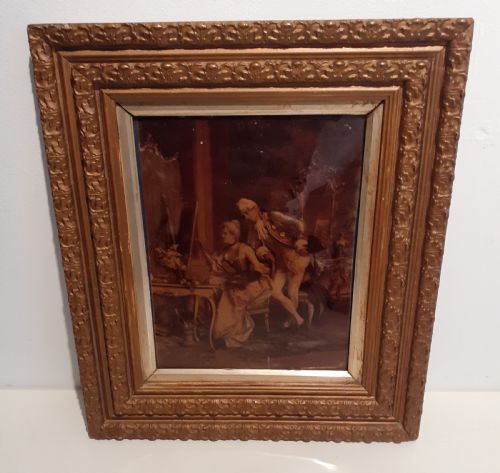
- A Victorian method of applying a hand-coloured photograph to the inside of concave glass and painting it from behind. The resulting image gains depth and luminosity.
- Gilt gesso
- A plaster-based material applied to wood and carved before gilding with gold leaf. This technique creates ornate, light-reflecting surfaces on period frames.
- Sepia
- A reddish-brown monochrome photographic tone produced by chemically altering silver in the print. This coloration characterises many late nineteenth and early twentieth-century images.
Wood Framed Photograph: Frequently Asked Questions
What periods do these wood framed photograph pieces cover?
The listings span from the late nineteenth century through the Edwardian era and into the nineteen-thirties, incorporating Victorian, Art Deco, and Grand Tour stylistic influences.
Each period utilises distinct framing conventions and photographic techniques, ranging from early sepia portraits to glass autochromes.
How are the photographs protected within the frames?
The images are held securely behind glass panes, which shield the delicate paper prints and glass plates from dust and handling.
Wooden surrounds, constructed from oak or hardwood, provide the structural rigidity necessary to support the glass and backing materials.
What subjects typically appear in these antique photographs?
Subjects include individual portraits of gentlemen, military officers such as Captains, huntsmen on horseback, and female nudes set within Orientalist scenes.
Some pieces feature photographic contact sheets or Continental landscapes, reflecting the diverse documentary interests of early photographers.