





Wire Mesh Fender
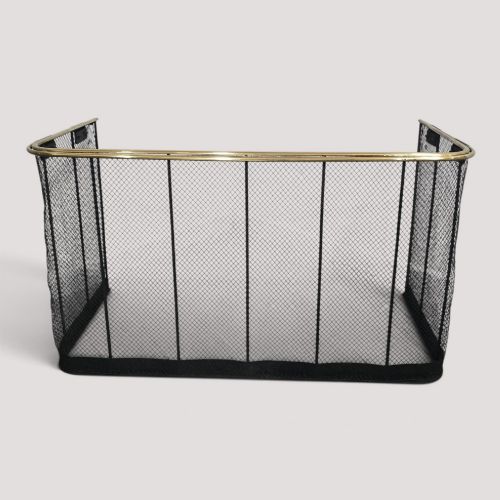
A wire mesh fender guards the hearth, keeping leaping sparks contained while allowing the fire's warmth to circulate freely into the room.
Wire Mesh Fender
When you search for a wire mesh fender, you are looking at practical fireplace accessories designed to protect interiors from stray embers and sparks. These pieces range from simple guards to larger enclosures often referred to as nursery fenders.
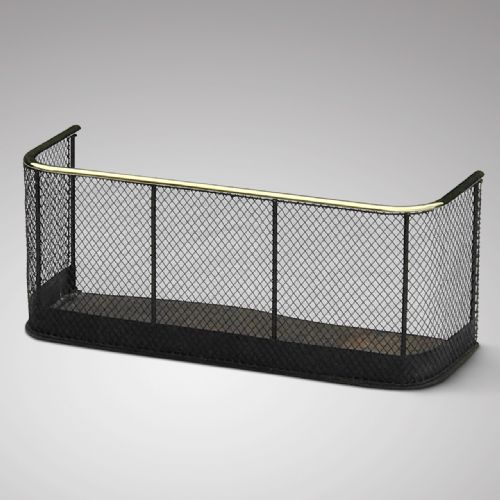
The most common versions met on this page date from the nineteenth century, including Regency, Victorian, and Edwardian examples. They typically combine sturdy metallic frames with fine woven wire panels to balance safety with visibility of the fire.
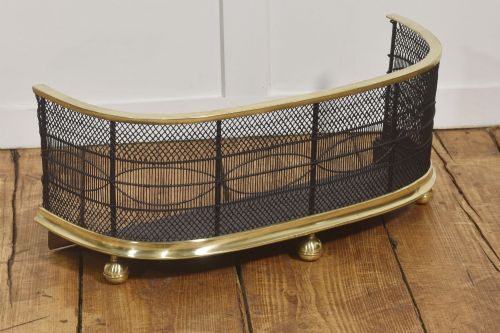
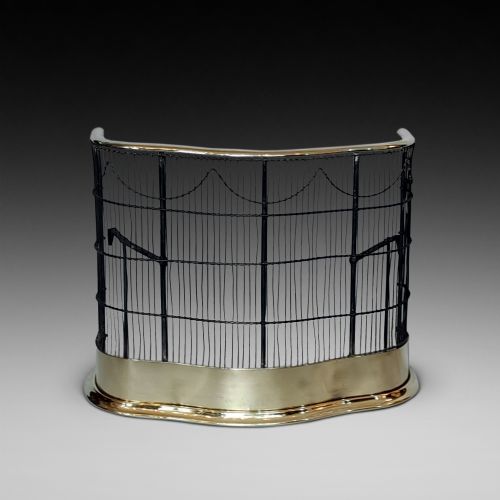
Formations vary from straight fronts to bowed and serpentine shapes designed to fit specific hearth configurations. Some incorporate functional additions such as brass top rails or integrated clothes rails for drying garments.
Materials and construction
Frames are constructed from durable metals like iron and steel, frequently accented with polished brass top rims or decorative brass framing. The structural rigidity supports the tension required to hold the wire panels securely in place.
Infilling the metal frames involves iron wire, steel wire, and fine wire mesh, often woven into neat grid patterns. This combination provides a barrier against flying sparks while maintaining an open visual aspect towards the flames.
Wire Mesh Fender Retail Price Guide 2026
Typical asking prices for wire mesh fender among the pieces listed under this phrase on Sellingantiques today, from the lower quarter to the upper quarter. They describe what is for sale here now, not the wider market.
Listings span the Regency, Victorian, and Edwardian periods, utilising brass, iron, and steel wire mesh.
Factors of quality
Superior examples demonstrate careful hand-weaving of the wire mesh and robust joinery in the metal frames. Finer pieces often feature well-finished brass top rails and elegant curved shapes such as serpentine or bowed outlines.
Simpler utilitarian guards rely on straightforward iron or steel construction without decorative brass mounts. The proportion of the frame and the neatness of the wirework distinguish finer domestic pieces from standard utility items.
The Wire Mesh Fender Glossary
- Nursery fender
- A tall protective enclosure designed to keep children and pets at a safe distance from an open fire. These guards typically enclose the hearth entirely.
- Serpentine
- A gently undulating curved shape resembling a snake's movement. In fenders, this describes a front edge that sweeps outward and inward symmetrically.
- Fire guard
- A movable barrier placed before a fireplace to catch stray sparks and cinders. They range from low mesh screens to tall protective nursery guards.
- Wirework
- Decorative or structural objects formed from intertwined, woven, or welded wire. This technique allows for strength combined with transparency.
Wire Mesh Fender: Frequently Asked Questions
What is a wire mesh fender used for?
These guards protect rooms from flying sparks and embers emitted by open fires. They act as a physical barrier between the hearth and the surrounding space.
Tall nursery versions were historically used to prevent small children and pets from getting too close to the flames.
How do I date a wire mesh fender?
Dating relies on stylistic clues and construction methods observed across the Regency, Victorian, and Edwardian periods. Regency examples often display lighter frames, while Victorian and Edwardian pieces frequently incorporate substantial brass top rails.
Material choices, such as iron wire versus steel wire, also help narrow down the period of manufacture.
What is the difference between a fender and a fire guard?
A fender traditionally sits directly on the hearth to contain ashes and logs, whereas a fire guard stands taller to block sparks from entering the room. Many period pieces combine both functions into a single nursery fender.
Guards are typically designed to be easily moved when tending the fire.
Can these fenders be used with modern fireplaces?
These pieces fit standard hearth layouts and serve the same practical safety purpose today as they did historically. Their traditional metal finishes complement both period and contemporary interior settings.
Care should be taken to measure the hearth dimensions to ensure a stable and secure fit.