


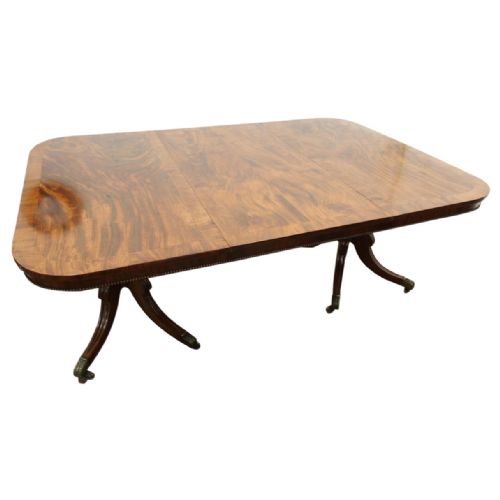


William Trotter Furniture
William trotter furniture brings the sophisticated cabinet-making of Edinburgh into your home through finely figured timbers and restrained Regency lines.
William Trotter Furniture
When you search for william trotter furniture, you are looking at distinguished pieces originating from Edinburgh during the Regency and Georgian periods. These works include tea tables, card tables, sofa tables, centre tables, dining tables, cabinets, bookcases, and chaise longues.
The versions you are most likely to encounter on this page span the Regency, George IV, and broader nineteenth-century eras. They reflect the refined output associated with William Trotter of Edinburgh.
Makers and attributions in this tradition display a mastery of form that defined Scottish cabinet-making during the early nineteenth century. Each piece carries the distinct regional interpretation of classical design prevalent in Edinburgh workshops.
How they were made
Makers utilised dense primary timbers such as mahogany and rosewood, often enhanced by striking veneers of burr oak, pollard oak, and lacewood. These cabinet-makers selected woods for their natural grain patterns and rich tonal depth rather than relying on heavy ornamentation.
Brass mounts and fine banding frequently punctuate the dark timber surfaces, adding crisp architectural definition to the tables and cabinets. Construction techniques focused on structural stability while showcasing the decorative qualities of the chosen wood.
William Trotter Furniture Retail Price Guide 2026
Typical asking prices for william trotter furniture among the pieces listed under this phrase on Sellingantiques today, from the lower quarter to the upper quarter. They describe what is for sale here now, not the wider market.
The listings span the Regency, George IV, and nineteenth-century periods, featuring materials such as brass, mahogany, rosewood, burr oak, and pollard oak.
What varies in quality
The selection of timber veneer dictates much of the visual hierarchy within this furniture. Pieces featuring highly figured burr oak, pollard oak, or symmetrical rosewood sit at the top of the range, displaying superior grain matching across large surfaces.
Execution of secondary details, such as precise lacewood banding and the integration of brass elements, separates standard workshop output from exceptional examples. The fluidity of the carved pillars and the integrity of the cabinet construction further define the tier of the piece.
William Trotter
The William Trotter Furniture Glossary
- Tea Table
- A folding-top table designed to hold tea service equipment when opened in a drawing room. These items often feature pivoting tops and polished rosewood or mahogany surfaces.
- Card Table
- A specialised table with a hinged top that folds open to reveal a baize-lined playing surface for evening entertainment. Examples in this tradition frequently employ burr oak or rosewood veneers.
- Sofa Table
- A rectangular table traditionally placed against the rear of a sofa, equipped with small drop leaves on either side. They often incorporate double pillar supports or trestle bases.
- Pollard Oak
- Timber harvested from trees that have been pollarded, producing a knotted and highly decorative grain pattern. Cabinet-makers used this wood for striking veneered panels on cabinets and tables.
William Trotter Furniture: Frequently Asked Questions
How were these tables used?
Tea tables and card tables served specific social functions in the Georgian and Regency drawing room. They were folded away against walls when not in use and opened for evening hospitality.
Sofa tables and centre tables provided functional surfaces for books, lamps, and decorative objects. Dining tables accommodated large household gatherings during formal meals.
How do I care for rosewood and mahogany?
Rosewood and mahogany surfaces require gentle dusting with a soft, dry cloth to prevent micro-scratching. Avoid placing these items in direct sunlight or near heat sources to protect the polished finish and underlying veneers.
Applying specialised furniture wax periodically helps maintain the moisture balance of the timber. This preserves the natural depth and lustre of the wood grain.
How can I identify a georgian piece?
Georgian and Regency pieces are distinguished by their adherence to classical proportions and structural symmetry. The joinery methods and timber selection reflect the prevailing design standards of the early nineteenth century.
Attributions often rely on specific construction traits, regional Scottish characteristics, and documented stylistic links to Edinburgh workshops. Examining the secondary timbers beneath the primary veneers provides further clues to the era of manufacture.