




White Wooden Fireplace
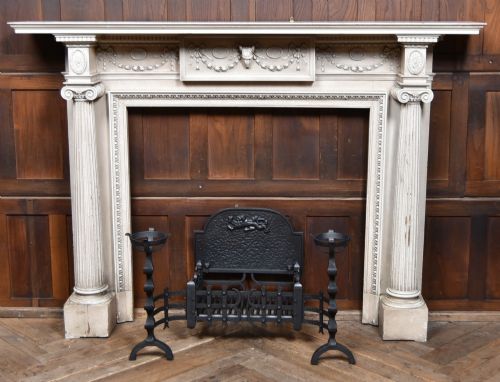
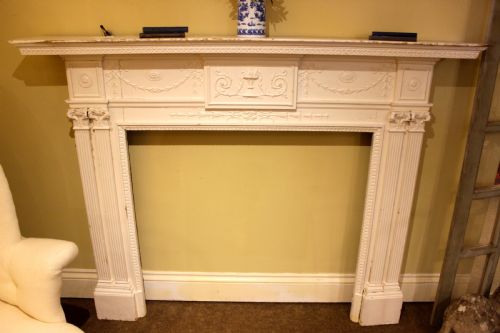
A white wooden fireplace brings architectural presence and period character to a room, offering the classic combination of painted pine, gesso and carved detail seen in these pieces.
White Wooden Fireplace
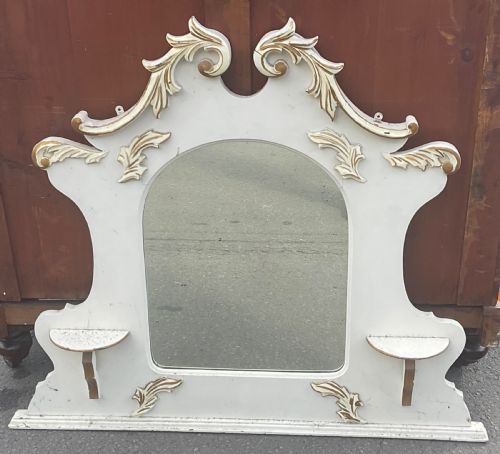
When searching for a white wooden fireplace, buyers encounter architectural salvage dominated by fire surrounds, mantlepieces and large overmantel mirrors. The listings show that most items combine painted wood, pine and gesso in styles ranging from Victorian and Edwardian to French Chateau and Neoclassical.
The dominant forms on this page are fire surrounds and overmantel mirrors designed to sit above a fireplace opening. These pieces date principally from the nineteenth century, including specific years such as 1860, 1870, 1900 and 1910, alongside broader Victorian and Edwardian periods.
Many examples incorporate integrated mirror glass or cast iron elements alongside their painted wooden frames. Buyers find items that retain their original painted surfaces, often finished in white or gilt and white paint.
How they were made
Makers constructed these architectural pieces primarily using pine and other woods, shaped with carved wood details and applied gesso ornamentation. Artisans then applied coats of paint, frequently in white, to achieve a smooth or distressed finish that complemented period interiors.
Overmantel mirrors combined heavy wooden framing with large sheets of mirror glass, secured to hold the weight of the structure. Many surrounds also integrated cast iron components within the fireplace opening to withstand direct heat from the hearth.
White Wooden Fireplace Retail Price Guide 2026
Typical asking prices for white wooden fireplace among the pieces listed under this phrase on Sellingantiques today, from the lower quarter to the upper quarter. They describe what is for sale here now, not the wider market.
Listings span the nineteenth and early twentieth centuries, featuring Victorian, Edwardian, Neoclassical and French Chateau styles.
What varies in quality
The distinction between standard and superior pieces rests upon the depth and crispness of the wood carving and gesso work. Finer examples display intricate, hand-carved details and well-proportioned mouldings rather than simplified or cast substitutes.
Original painted surfaces and untouched patination elevate a piece above those with later, heavy-handed repainting. The quality of the underlying pine and the structural integrity of the frame also determine the standing of each surround or mirror.
The White Wooden Fireplace Glossary
- Overmantel mirror
- A large wall mirror specifically designed to hang on the chimney breast directly above the mantelpiece. These pieces often feature arched or rectangular wooden frames and date from the Victorian and Edwardian periods.
- Gesso
- A plaster-like mixture applied to wood surfaces as a base for moulding fine decorative details before painting or gilding. It allows for crisp architectural relief work on fireplace surrounds and mirror frames.
- Pine
- A softwood commonly used by nineteenth-century joiners for architectural woodwork and fire surrounds due to its workability. It served as a stable base for the layers of white paint and gesso finishes found on these pieces.
White Wooden Fireplace: Frequently Asked Questions
What is a white wooden fireplace surround?
A white wooden fireplace surround is an architectural framework made from timber, typically pine, and finished with white paint or gesso. These pieces frame the fireplace opening and add structural presence to a chimney breast.
Surviving examples often feature period carving influenced by Victorian, Edwardian or Neoclassical design styles.
How do I style an overmantel mirror?
An overmantel mirror is traditionally hung directly above a mantelpiece to reflect light and create a sense of scale in a room. Because these mirrors are substantial in size, they anchor the fireplace wall as a primary focal point.
They pair naturally with fire surrounds, mantel clocks and decorative objects placed on the shelf below.
How do I date a painted fire surround?
Dating a painted fire surround involves examining the timber, construction methods, and decorative style such as Victorian or Edwardian moulding profiles. The presence of original paint layers and gesso details also provides clues to the period of manufacture.
Makers working in the nineteenth century utilised specific joinery techniques that distinguish earlier pieces from later reproductions.
Are these pieces made from solid wood?
The architectural pieces listed here are constructed from timber, primarily pine, often enhanced with applied gesso details for ornamentation. Some examples also incorporate cast iron inserts and mirror glass.
Solid wood construction gives these surrounds the weight and durability required for architectural fixtures.