





White Porcelain Lamp Shades
White porcelain lamp shades bring soft, diffused light to a room through repurposed ceramic vessels.
White Porcelain Lamp Shades
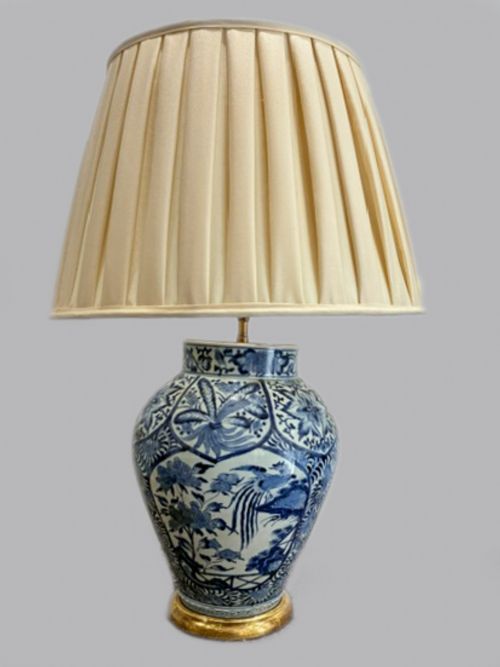
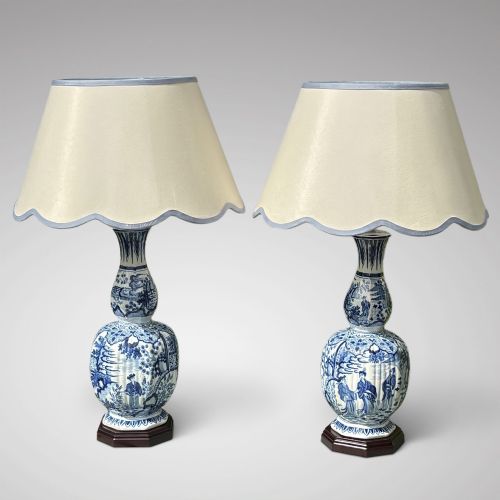
Most entries on this page originate from the nineteenth century, alongside eighteenth-century pieces and later twentieth-century examples. These items take the form of table lamps and oil lamps, often incorporating traditional motifs like blue and white painting or crackleware glazes.
Makers across different regions adapted oriental and European porcelain into lighting fixtures, combining ceramic bodies with brass, fabric, and gilt bases. Buyers select these items to introduce historical character and ambient illumination into domestic interiors.
Materials and conversion techniques
The primary material is porcelain, shaped into vases, ginger jars, and oil lamp reservoirs before undergoing high-temperature kiln firing. Artisans decorated many pieces with cobalt blue underglaze, famille rose enamels, or left the white biscuit porcelain plain.
Makers adapted older vessels into lamps by drilling the ceramic base to run electrical wiring or by mounting the porcelain onto brass, wood, and gilt metal hardware. Some configurations include handmade fabric or silk shades paired with the ceramic columns.
White Porcelain Lamp Shades Retail Price Guide 2026
Typical asking prices for white porcelain lamp shades among the pieces listed under this phrase on Sellingantiques today, from the lower quarter to the upper quarter. They describe what is for sale here now, not the wider market.
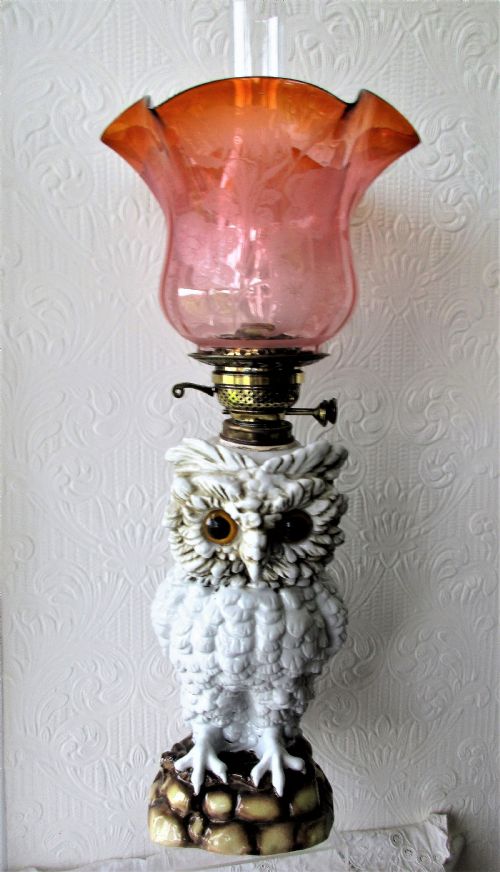
Several nineteenth-century German porcelain owls stare unblinkingly from lamp bases, ready to illuminate the darkest corners of your room.
Evaluating the craftsmanship
Quality rests in the purity of the porcelain body, the crispness of the hand-painted or moulded details, and the integrity of the original ceramic form. Pieces produced by established factories or skilled studio potters exhibit superior glaze consistency and refined proportions.
The standard of the metal mounts, including brass fittings and gilt bases, influences the overall execution. Alterations made during conversion also matter; professional wiring and minimal disruption to the original ceramic body preserve the integrity of the piece.
Sitzendorf·Ernst Bohne and Sohn·Meissen·Samson
The White Porcelain Lamp Shades Glossary
- Biscuit porcelain
- Unglazed ceramic fired once to a porous state, offering a matte white finish. It provides a tactile surface often used for sculptural figures and decorative table lamps.
- Famille rose
- A palette of opaque enamel colours dominated by pink, introduced to Chinese porcelain during the Qing dynasty. It allows for intricate, multicolored floral and figurative designs.
- Crackleware
- A ceramic glaze characterised by a network of fine cracks intentionally created during cooling. This texture appears across various nineteenth-century oriental vases and lamp conversions.
- Imari
- A style of Japanese export porcelain featuring underglaze blue and iron red, supplemented with gilt details. These pieces were traditionally produced in Arita and shipped through the port of Imari.
- Delftware
- Tin-glazed earthenware produced in Dutch and English workshops, mimicking the appearance of Chinese blue and white porcelain. It frequently appears in European table lamps from the nineteenth century.
White Porcelain Lamp Shades: Frequently Asked Questions
Are these lamps safe to use today?
Many older lamps retain vintage wiring that may require updating for modern electrical safety standards. A qualified electrician can easily rewire the fixture while preserving the historic ceramic base.
Buyers should check the lamp holder and cord condition upon arrival to ensure they meet current domestic regulations before daily use.
How do I clean a porcelain lamp base?
Dust the porcelain surface gently with a dry, soft cloth to prevent accumulation in textured areas or around mounts. Avoid harsh chemical cleaners that might damage hand-painted enamels or gilt metal hardware.
For stubborn marks, a slightly damp cloth with mild soap works well, provided the moisture stays clear of any electrical components.
Can I replace the fabric shade?
Fabric shades on these lamps can be swapped to match your interior decor preferences. Ensure the new shade fits the existing harp or bulb clip correctly.
Matching the scale of the replacement shade to the proportions of the ceramic base maintains the visual balance of the piece.
How can I tell an older vase conversion from a modern lamp?
Examine the drilling hole and the base fittings for signs of age, wear, and patina. Older conversions often feature hand-cut metal components and wiring methods consistent with past decades.
The wear patterns on the base and the condition of the ceramic glaze also offer clues regarding the age of the piece.