




White Calico Chair
A white calico chair offers clean lines and period comfort, making it a versatile choice for modern and traditional interiors alike.
White Calico Chair
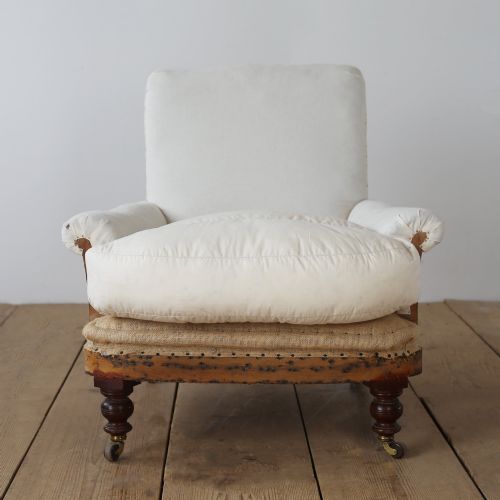
When you search for a white calico chair, you are looking at upholstered seating stripped back to its calico foundation or finished in plain cotton fabric. These pieces typically take the form of armchairs, wingbacks, and occasional chairs.
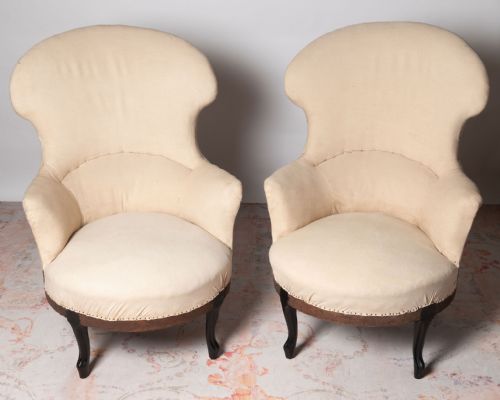
The versions you are most likely to meet on this page span the eighteenth, nineteenth, and early twentieth centuries. They originate from English country houses and French chateaux, displaying styles such as Victorian, George III, and French Napoleon III.
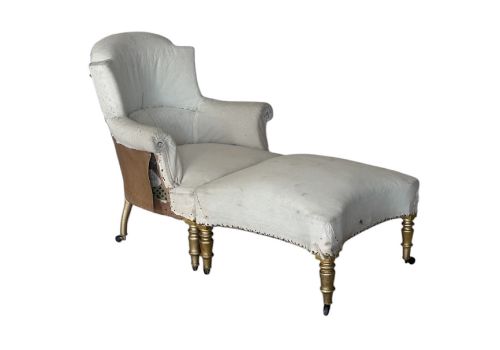
Many listings present these chairs prepared in calico as a blank canvas ready for final upholstery. Others retain traditional buttoning, exposed timber frames, or paired stools and chaises.
How they were made
Makers constructed the foundational frames of these chairs using hardwoods like mahogany, walnut, and general timber. Joinery methods relied on traditional mortise and tenon construction to ensure structural longevity.
Upholstery techniques involved layering natural stuffing materials secured with hessian webbing. Workers then applied durable cotton calico or plain cotton over the interior components to create a taut base for final coverings or to serve as the visible outer layer.
White Calico Chair Retail Price Guide 2026
Typical asking prices for white calico chair among the pieces listed under this phrase on Sellingantiques today, from the lower quarter to the upper quarter. They describe what is for sale here now, not the wider market.
Listings feature eighteenth and nineteenth-century periods, incorporating materials like brass, mahogany, walnut, hessian, and cotton calico across armchairs and chaise longues.
What varies in quality
The distinction between standard examples and superior pieces rests largely on the timber frame and the finesse of its carved details. Chairs featuring shaped walnut or mahogany show greater sculptural ambition than simple softwood or standard timber framing.
Proportion and scale also define the upper tier of these chairs, particularly in petite nineteenth-century models and substantial wingbacks. The integrity of the underlying frame work dictates whether a chair maintains its proper posture over generations of use.
Howard and Sons·Sopwith
The White Calico Chair Glossary
- Calico
- A plain-woven unbleached cotton textile used traditionally as the foundational upholstery layer beneath decorative fabrics or left exposed as a primary covering. It provides a neutral, durable surface.
- Wingback
- An armchair featuring side panels attached to the arms and rising to the back, originally designed to shield the sitter from draughts. These pieces often date from the eighteenth and nineteenth centuries.
- Duchess Brisee
- A two-part lounge combination consisting of an armchair and a matching stool or a chaise longue split into modular sections. French nineteenth-century makers frequently produced these for domestic relaxation.
- Hessian
- A coarse woven fabric made from jute fibres, utilised inside upholstered seating as a strong foundation material to support stuffing and springs. It remains a standard component in traditional restoration work.
- Napoleon III
- A nineteenth-century French revival style characterised by eclectic influences, comfortable proportions, and ornate framing. Pieces from this period often blend walnut or mahogany structures with plush cushioning.
White Calico Chair: Frequently Asked Questions
What is a white calico chair?
A white calico chair is an antique armchair upholstered in plain cotton calico, either as a temporary base cover or a finished aesthetic choice. These pieces range from Victorian buttoned designs to eighteenth-century wingbacks.
Buyers often select them for their neutral appearance, which fits easily into various decorative schemes while preserving antique craftsmanship.
How do I choose between French and English styles?
French styles, such as Napoleon III armchairs and chateau pieces, tend to emphasise decorative frames and curved woodwork. English country house pieces, including wingbacks and club armchairs, focus on deep comfort and sturdy timber construction.
Your choice depends on whether you prefer ornate woodwork or traditional British domestic seating forms.
Are these chairs suitable for daily use?
Most of these antique armchairs are built with robust timber frames of mahogany, walnut, or solid timber, making them durable for regular seating. Many listings have been restored and prepared to ensure the internal webbing and stuffing remain supportive.
Checking the proportions and arm height will help determine if a specific piece matches your daily seating preferences.
Can I reupholster a calico chair?
Calico serves as the traditional base upholstery layer, meaning these chairs are ideally suited for adding a top layer of your own fabric. The neutral cotton provides a smooth, stable foundation for any textile you choose.
Many pieces arrive in this prepared state specifically to allow custom finishing by the buyer.
How do I date a nineteenth-century armchair?
Dating relies on examining the timber frame, turning style, and upholstery methods used beneath the calico. Victorian and Edwardian examples often show distinct proportions and padding techniques compared to earlier George III designs.
Comparing the structural lines and material choices helps place the chair within its correct nineteenth-century or earlier period.