






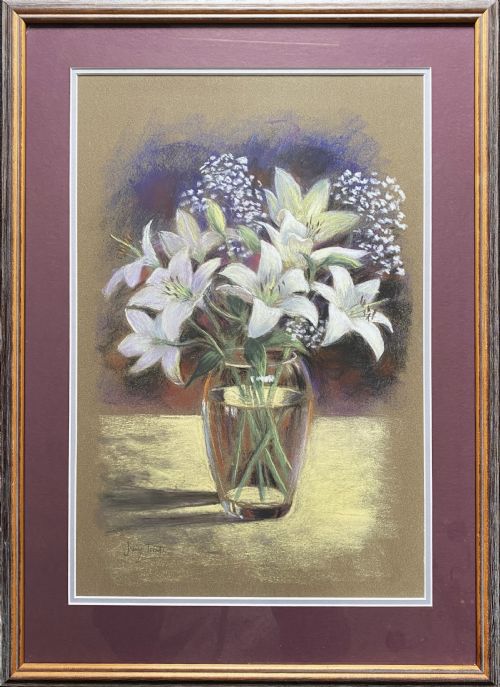


White Art Glass Vase
These white art glass vase pieces bring tactile presence and sculptural form to a room, offering tactile glass surfaces that collectors prize.
White Art Glass Vase
A white art glass vase selection spans Victorian, Art Nouveau, and Mid-Century Modern periods, incorporating opalescent glass, opaque glass, and cased glass forms. Makers and designers utilised techniques ranging from enamel decoration to moulded opalescence to achieve distinct visual depth.
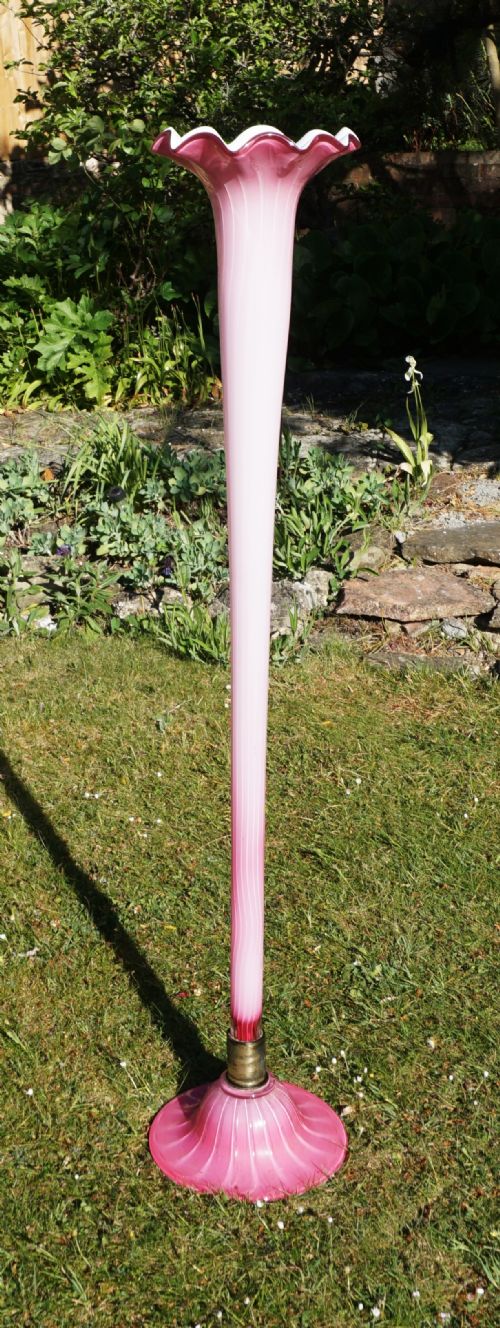
The objects listed under a white art glass vase query include tall lily vases, handkerchief vessels, and opalescent decorative pieces originating from makers across Britain and continental Europe.
Materials and manufacture
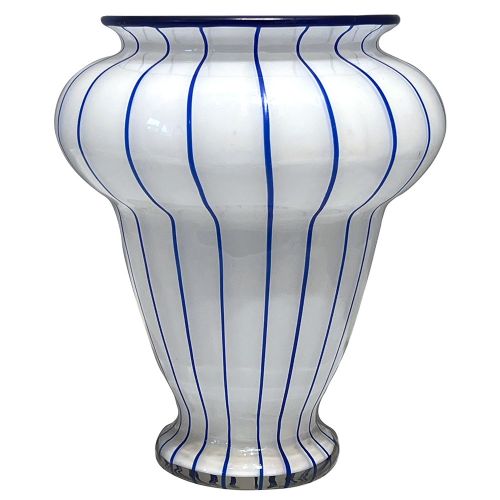
Makers shaped molten glass using cased techniques, layering white glass with contrasting canes, trails, or enamel to build complex surfaces. Opalescent glass formulations required precise chemical additives and controlled cooling to create milky translucency that catches light.
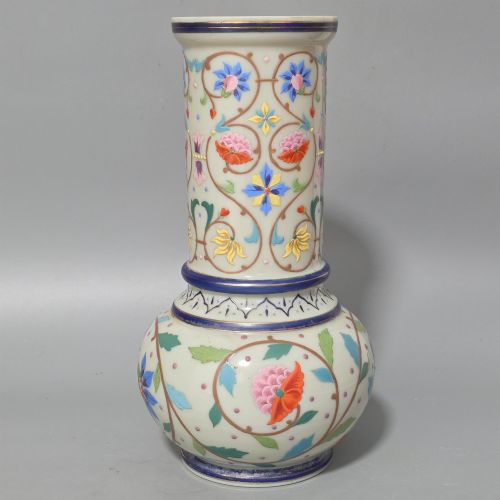
Finishing methods involved applied elements like gold leaf, brass mounts, or hand-painted enamel details, uniting glassblowing skill with surface ornamentation.
White Art Glass Vase Retail Price Guide 2026
Typical asking prices for white art glass vase among the pieces listed under this phrase on Sellingantiques today, from the lower quarter to the upper quarter. They describe what is for sale here now, not the wider market.
Listings feature pieces spanning the Victorian, Art Nouveau, Art Deco, and Mid-Century Modern periods, utilising cased glass, enamel, and opalescent glass materials.
Judging quality and execution
Quality rests in the precision of the glassblower's hand, the clarity of cased layers, and the subtlety of opalescent fire effects. Pieces by known designers display sharper moulding and more deliberate control over applied glass canes or colour trails.
The integration of decorative elements, such as enamelling or gold leaf application, distinguishes masterwork production from standard commercial output.
Thomas Webb·Fulvio Bianconi·Venini·Rene Lalique·Loetz
The White Art Glass Vase Glossary
- Opalescent Glass
- Glass that has a milky, semi-translucent appearance with bluish or pinkish highlights when lit from the side. This effect is achieved through specific heat treatment during the forming process.
- Cased Glass
- Glass made of two or more distinct layers of different colours fused together while molten. Craftsmen often cut through the outer layer to reveal the contrasting glass beneath.
- Secessionist
- An early twentieth century style characterised by geometric austerity and organic ornament originating from Central European artistic circles. It rejected traditional historical revivals in favour of modern design.
- Aesthetic Movement
- A late nineteenth century British design tendency focusing on art for art's sake and incorporating Japanese artistic influences. It prioritised visual beauty over moral or narrative purpose in decorative objects.
- Handkerchief Vase
- A vessel form shaped while hot to resemble a suspended piece of cloth caught by the centre. This blown glass technique relies on centrifugal force and skilled manipulation.
White Art Glass Vase: Frequently Asked Questions
How do I care for my white art glass vase?
Clean these glass objects gently using lukewarm water and mild soap, avoiding harsh abrasives that could damage delicate enamel or surface trails. Dry them immediately with a soft, lint-free cloth to prevent water spots.
Position vessels away from direct, intense sunlight to protect any sensitive opalescent properties or applied colour layers over extended periods.
What periods do these glass pieces come from?
The selection includes pieces spanning from the Victorian era through the Art Nouveau and Art Deco periods up to Mid-Century Modern designs. Each era brings distinct stylistic traits and manufacturing methods.
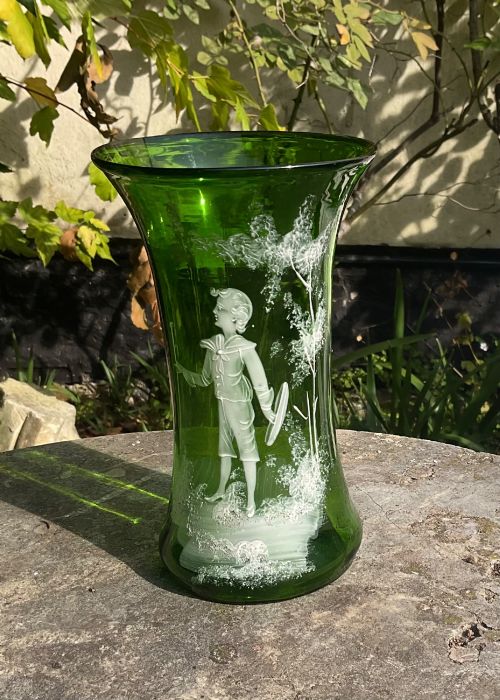
Victorian examples often feature Mary Gregory style enamel work, while later twentieth century works showcase mould-pressed opalescence or modernist vessel shapes.
How are cased glass pieces constructed?
Cased glass involves gathering multiple distinct layers of molten glass on the blowpipe, typically pairing a white interior with a clear or coloured exterior layer. The combined gather is then blown and shaped into the final vessel form.
This layered technique allows artists to create rich optical depth and contrast when light passes through the glass walls.
What defines opalescent glass vessels?
Opalescent glass contains specific chemical agents that scatter light, creating a milky white body that glows with subtle blue or amber tones under direct illumination. The effect changes depending on the angle of view and the light source.
Twentieth century makers utilised moulded opalescence to highlight sculptural reliefs on decorative vases and bowls.