



Welsh Kitchen Table
A welsh kitchen table brings solid domestic history into a room, offering sturdy work surfaces built for everyday labour.
Welsh Kitchen Table
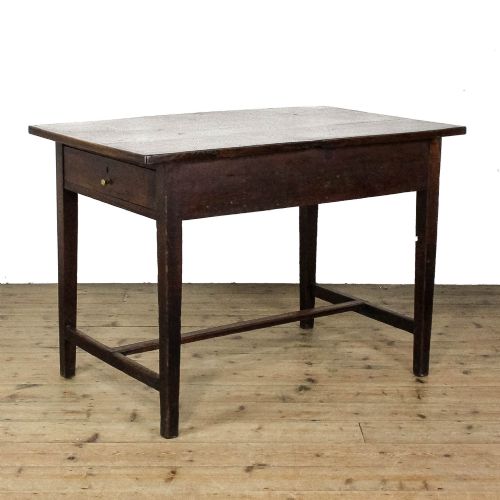
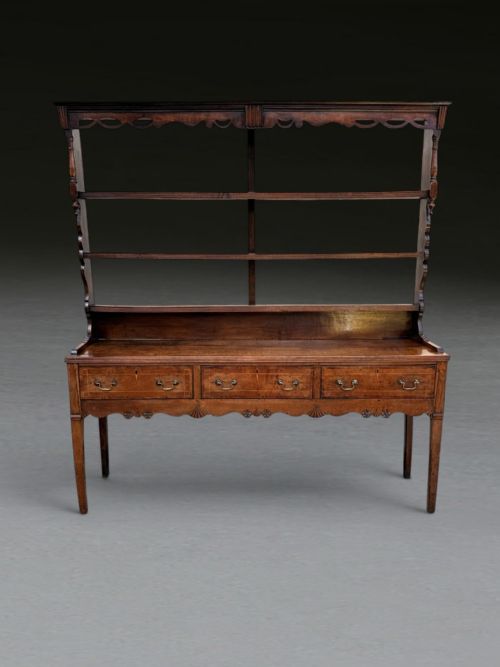
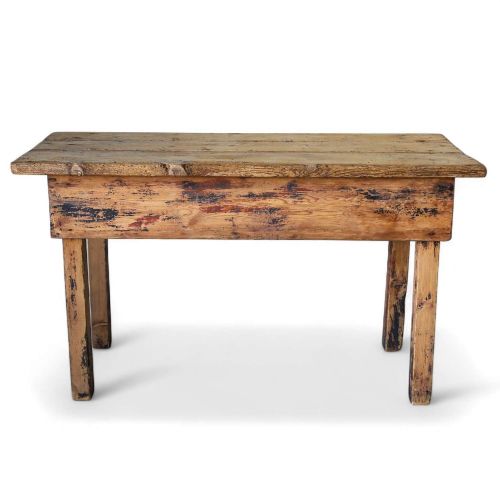
A welsh kitchen table embodies the utilitarian heart of rural domestic life, appearing across this page in forms that span the eighteenth century, the nineteenth century, and into nineteen thirty. Buyers examining these listings encounter heavy pine farmhouse work tables, long refectory boards, and low dairy or tavern surfaces alongside related dresser bases and servers.
The regional character of a welsh kitchen table emerges through vernacular proportions and robust timber construction rather than courtly ornament. Most examples documented here date from the georgian and nineteenth-century periods, showing how domestic furniture developed from simple working boards into enduring dining centerpieces.
Beyond standard dining tables, the selection includes specialised work surfaces like butcher or dairy tables alongside servers and dresser bases. This variety reflects the diverse utility demanded of timber furniture in rural Welsh households.
How they were made
Makers constructed a welsh kitchen table primarily from regional timbers like oak, pine, and ash, selecting heavy boards capable of withstanding daily chopping, scrubbing, and general kitchen labour. Surfaces often reveal the honest grain of solid wood without elaborate veneer work.
Some examples incorporate secondary materials such as brass fittings or applied painted timber finishes, though structural integrity relied on pegged joints and solid framing. Carpenters prioritized functional durability over decorative flourish, ensuring each table could endure decades of heavy household use.
Welsh Kitchen Table Retail Price Guide 2026
Typical asking prices for welsh kitchen table among the pieces listed under this phrase on Sellingantiques today, from the lower quarter to the upper quarter. They describe what is for sale here now, not the wider market.
Several tables retain the distinct scars of historical dairy work, where centuries of vigorous scrubbing and cheese-making left their permanent mark on the timber.
What varies in quality
The distinction between ordinary and exceptional examples rests upon timber selection, structural proportion, and the preservation of original working surfaces. Tables fashioned from thick, well-figured oak or dense pine possess a presence that thinner, altered boards simply cannot match.
Surface patination plays a major role in quality, where centuries of scrubbing, wax, and wear create a deep skin across the wood. Pieces retaining their original legs, stretchers, and uncompromised proportions command greater interest among those who study regional vernacular furniture.
The Welsh Kitchen Table Glossary
- Potboard dresser
- An open-shelf storage unit featuring a low lower shelf, or potboard, designed for storing heavy earthenware and copper pots.
- Refectory table
- A long, narrow dining table historically used for communal dining, characterised by sturdy legs joined by substantial stretchers.
- Vernacular
- Architecture and furniture built by local craftsmen using traditional regional methods and available materials, unconcerned with high-style metropolitan fashions.
- Patina
- The surface sheen and colour developed on wood through age, handling, and regular polishing over many decades.
- Farmhouse work table
- A heavy-duty utilitarian table constructed for kitchen preparation, dairy work, or general domestic labour rather than formal dining.
Welsh Kitchen Table: Frequently Asked Questions
What defines a welsh kitchen table?
A welsh kitchen table is characterised by sturdy regional construction, typically utilising native timbers like oak or pine to create a heavy, practical surface for domestic labour.
These pieces reflect the vernacular traditions of Welsh workshops, prioritising robust utility and simple joinery over ornate metropolitan decoration.
How do I care for old pine and oak?
Maintenance requires simple dusting with a dry cloth and occasional application of traditional beeswax to nourish the dry timber. Avoid excessive moisture and keep wooden tables away from direct heat sources to prevent timber splitting.
Allowing the wood to breathe preserves the historic surface and develops the natural skin over time.
Were these tables used only for dining?
Historical evidence shows these surfaces served multiple domestic roles, functioning as food preparation areas, laundry sorting spaces, and dairy workbenches.
The heavy construction was intended to withstand continuous daily work rather than serving solely as a decorative dining fixture.
How can I tell eighteenth century from nineteenth century?
Earlier eighteenth-century examples often display deeper timber patination, hand- cleft oak construction, and simpler peg fixings reflecting early workshop practices. Nineteenth-century pieces frequently utilise pine alongside oak and may show slight shifts in leg turning and overall proportions.
Examining the underside and joint construction reveals the working methods typical of each period.