






Welsh Folk Art Carving
Welsh folk art carving brings domestic craft into the room through lovespoons, miniature chests, and painted vernacular pieces.
Welsh Folk Art Carving
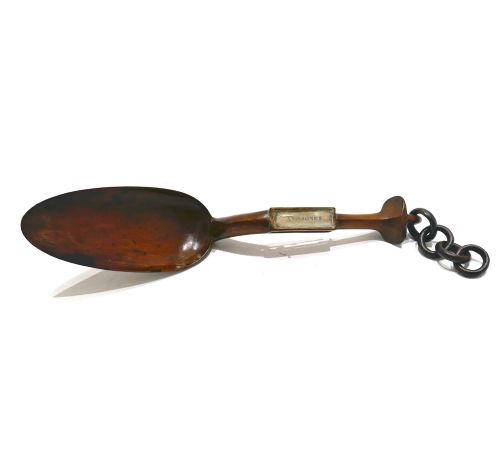
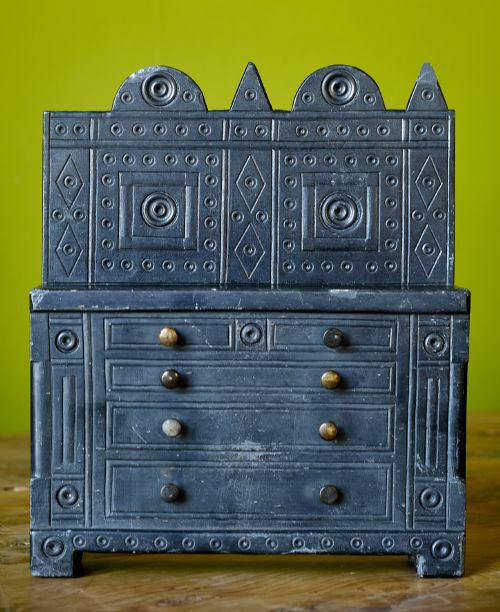
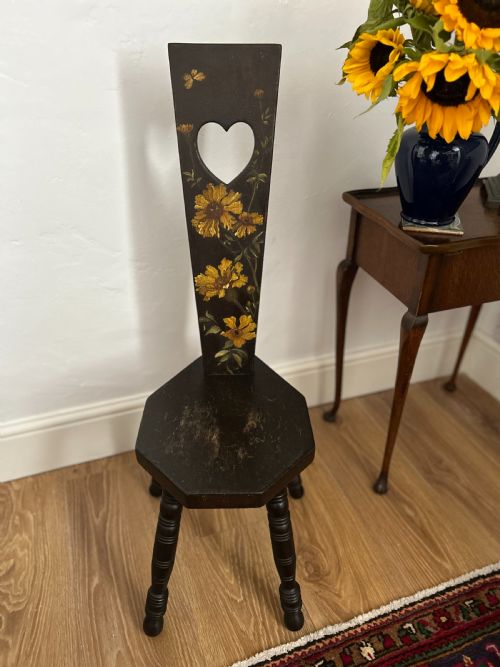
When you search for welsh folk art carving, you encounter domestic objects shaped by hand from local materials across the nineteenth century and earlier Georgian and Edwardian periods. These pieces range from intricate lovespoons and miniature carved slate models to spinning chairs and flour scoops.
The most frequent examples on this page are lovespoons fashioned in various timbers alongside miniature slate furniture models and treen items. Each piece reflects regional vernacular traditions and individual maker skill rather than mass production.
Materials and construction
The makers utilised domestic woods such as oak, fruitwood, sycamore, and hardwood, working them with simple hand tools to achieve chip carving, relief work, and smooth surfaces. Many objects retain traces of original paint or wax decoration that highlight the grain and detail.
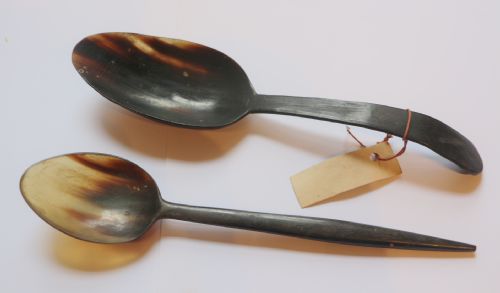
Mineral materials appear in the form of carved slate, utilised for miniature chests of drawers, fire surrounds, and architectural columns from regions like Caernarfonshire. Horn and brass also emerge in specific utilitarian tokens and spoons.
Welsh Folk Art Carving Retail Price Guide 2026
Typical asking prices for welsh folk art carving among the pieces listed under this phrase on Sellingantiques today, from the lower quarter to the upper quarter. They describe what is for sale here now, not the wider market.
Someone spent hours carving an entire miniature fire surround out of grey Welsh slate just to admire the mantelpiece.
Assessing quality and character
Quality rests in the crispness of the carving, the balance of the proportions on miniature models, and the complexity of the design, particularly on lovespoons featuring hearts, initials, and dates. Patina accumulated through age and handling plays a major role in the visual depth of wooden pieces.
Finer examples show deliberate detailing such as inlaid sections, wax decoration, or careful chip carving rather than basic execution. The integrity of the material, whether timber or slate, and the survival of original painted surfaces separate standard items from the finest works.
The Welsh Folk Art Carving Glossary
- Lovespoon
- A decorated wooden spoon traditionally carved by a suitor for a sweetheart, often featuring symbols such as hearts, chains, and initials. These pieces represent a central pillar of Welsh folk art traditions.
- Treen
- Small handmade wooden household objects produced before the widespread use of plastics and modern manufacturing. This broad category includes items like scoops, boxes, and small containers.
- Chip carving
- A technique where small chips of wood are removed from a surface with a knife or chisel to form geometric patterns. It appears frequently on boxes and small wooden items.
- Polychrome
- The practice of decorating surfaces with multiple colours of paint. In folk art, this finish often survives on furniture and decorative objects.
Welsh Folk Art Carving: Frequently Asked Questions
How do I date a piece?
Dating relies on recorded evidence within the titles, including specific years, century designations, and stylistic periods such as Georgian, Victorian, or Edwardian.
Material wear, tool marks, and inscribed dates or initials also provide physical clues to the approximate age of each item.
What are slate models?
Slate models are miniature sculptures carved from stone to represent domestic furniture, fire surrounds, or architectural columns.
Originating particularly from areas like Caernarfonshire, these items demonstrate the versatility of local slate in regional folk art.
Where were these items made?
These pieces were produced across Wales by local craftsmen, vernacular makers, and domestic workers using native materials.
Their origins tie directly into regional traditions of woodworking, slate carving, and household utility.