





Welsh Art Painting
When you search for a welsh art painting, you are looking at landscapes and coastal scenes captured in oil or watercolour across the nineteenth and twentieth centuries.
Welsh Art Painting
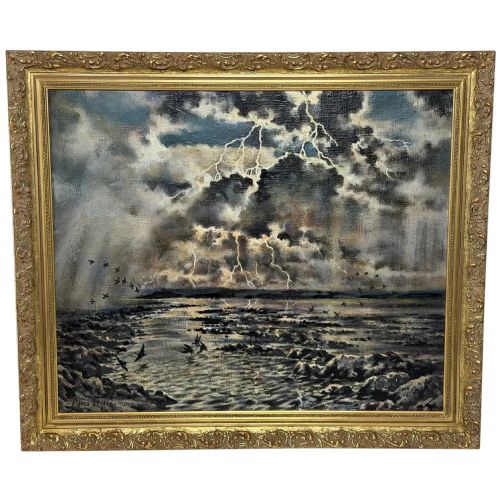
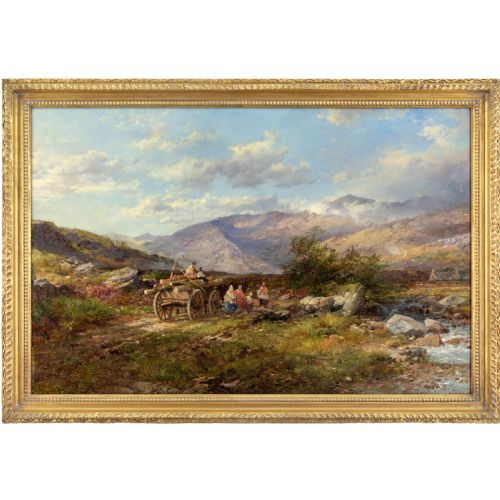
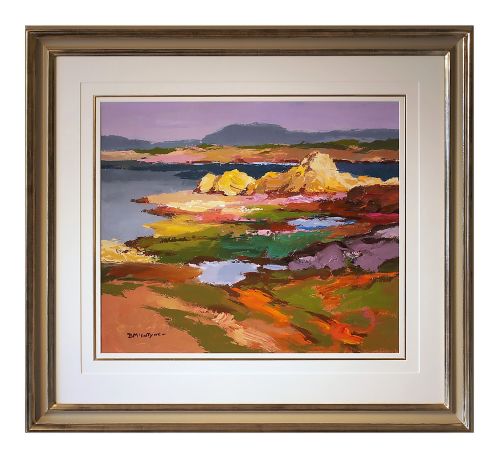
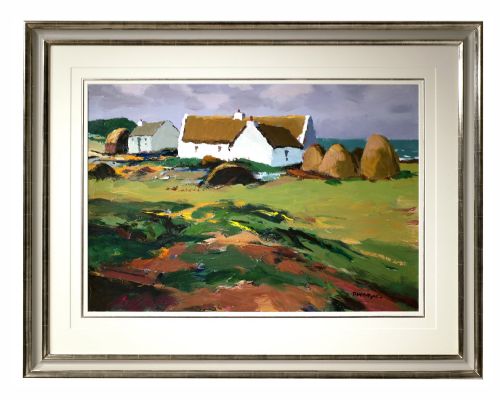
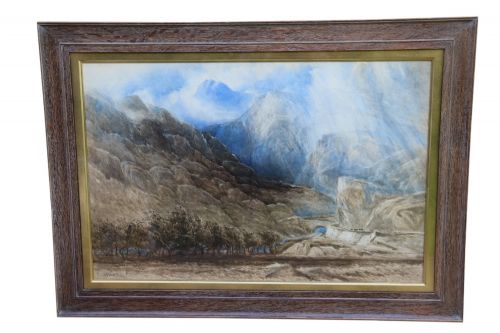
A welsh art painting encompasses framed works depicting topography, valleys, and coastal settlements across Wales. You will frequently encounter nineteenth-century oils and watercolours recording specific locations such as Snowdonia, the Conwy river, and Cardiganshire.
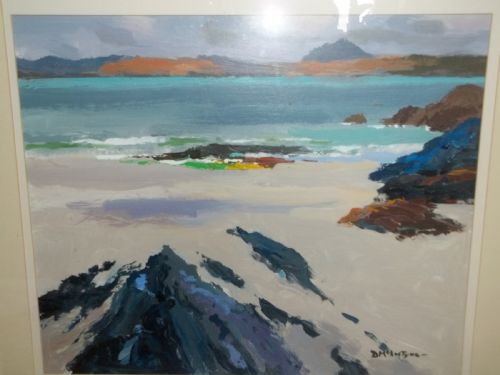
The selection ranges from Victorian pastoral and landscape depictions by artists working in the region to mid-century modern and British impressionist interpretations. Mediums span oil on canvas, wood panel, board, and watercolour on paper, often housed in period giltwood frames.
How they were made
Painters applied oil and watercolour pigments to prepared canvas, wood, card, or paper supports. Many works utilise traditional brushwork to build atmospheric depictions of light, weather, and mountainous terrain.
Framing often involves moulded gesso and giltwood frames that protect the perimeter of the canvas or paper sheet. Works on panel make use of seasoned wood boards selected to prevent warping over time.
Welsh Art Painting Retail Price Guide 2026
Typical asking prices for welsh art painting among the pieces listed under this phrase on Sellingantiques today, from the lower quarter to the upper quarter. They describe what is for sale here now, not the wider market.
The documented periods span the eighteenth century, the Victorian era, and mid-century modern movements.
What varies in quality
Quality rests in the handling of light, brushwork confidence, and the specificity of the topographical rendering. Stronger examples display assured draughtsmanship and a balanced composition that captures the particular atmosphere of the Welsh landscape.
Condition of the pigment and the original substrate influences desirability. Well-preserved surfaces retain their original varnish layers and colour saturation without excessive retouching or structural damage to the canvas or board.
Donald McIntyre·Sidney Richard Percy·Cornelius Pearson·Henry Martin Pope·John Cuthbert Salmon
The Welsh Art Painting Glossary
- Giltwood
- Wood carved and coated with a thin layer of gold leaf or metallic gilt. It is commonly found on nineteenth-century picture frames surrounding oil paintings.
- Gesso
- A plaster-like mixture applied to wood panels or frame mouldings to provide a smooth surface for gilding and decoration. It creates crisp relief details on period frames.
- Watercolour
- A paint consisting of pigment suspended in a water-based solution, typically applied to paper. It allows for transparent washes of colour used frequently in nineteenth-century topographical views.
- Oil on Canvas
- Pigment bound in an oil medium spread across a woven textile stretched over a wooden frame. This combination provides a durable surface for textured impasto and rich colour blending.
Welsh Art Painting: Frequently Asked Questions
How do I identify the age of a painting?
Look closely at the stretcher frames, canvas type, and paper characteristics. Pigment analysis and framing styles often offer clear clues to the decade of creation.
Signatures, dates inscribed on the reverse, and exhibition labels provide additional documentation to narrow down the period.
Where were these landscapes usually painted?
Artists traditionally set up their easels outdoors to capture natural light across Snowdonia, river valleys, and coastal harbours. Popular locations included the Menai Strait, Betws-y-Coed, and various Cardiganshire valleys.
Many painters travelled through Wales on sketching tours, recording familiar landmarks and rural settlements.
How should I care for an oil painting?
Keep the painting away from direct sunlight and fluctuating humidity levels to protect the canvas and wood panels. Gentle dusting with a soft, dry brush maintains the surface.
Avoid using liquid cleaners on the paint or the giltwood frame, as moisture can damage the fragile gesso and varnish.
What is the difference between oil and watercolour?
Oils use a slow-drying binder that allows artists to build heavy textures and rich, opaque layers. Watercolours rely on translucent washes on paper, creating lighter and more immediate effects.
Watercolours require glass framing for protection against dust and humidity, whereas oils on canvas remain open to the room environment.