

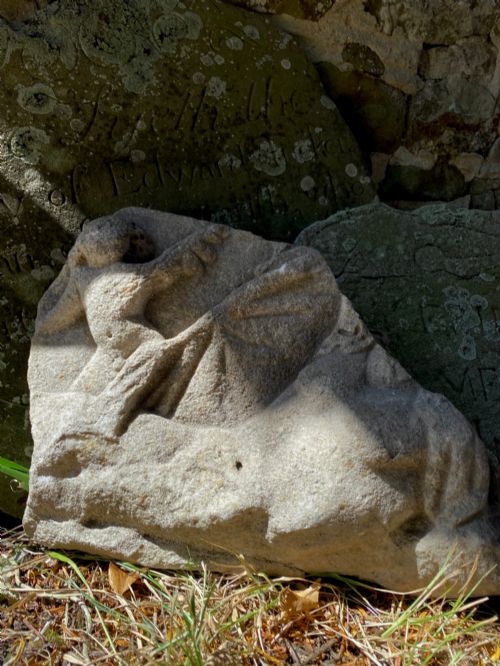
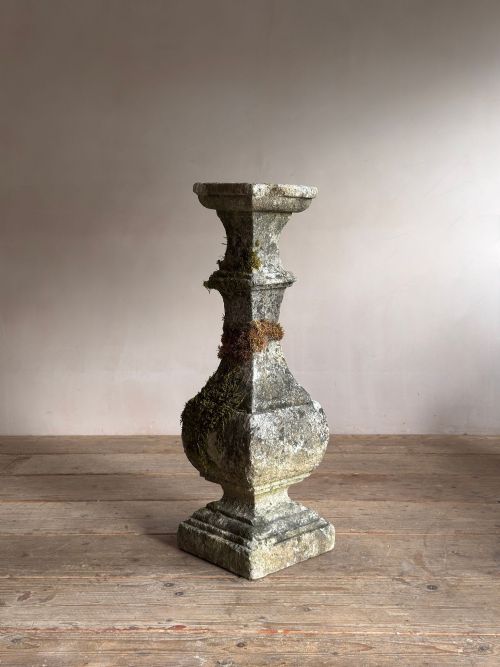


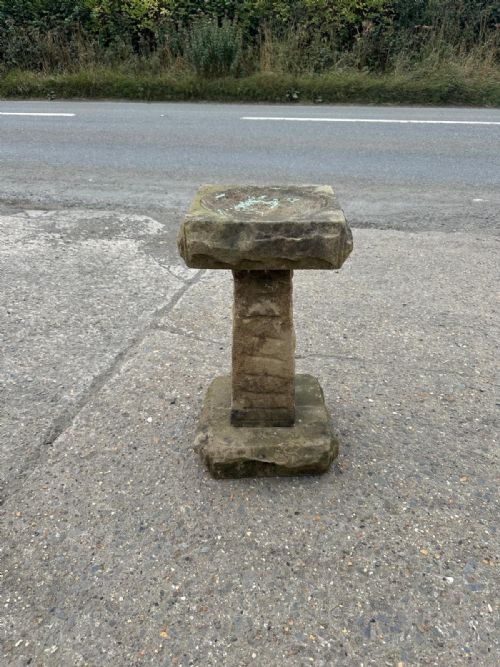


Weathered Limestone Carving
Weathered limestone carving brings ancient garden architecture and ecclesiastical fragments directly into modern spaces through centuries of natural outdoor ageing.
Weathered Limestone Carving
A weathered limestone carving represents architectural salvage, garden ornaments, and structural fragments shaped from natural stone across several historical periods. Buyers seeking a weathered limestone carving will encounter garden pedestals, bird baths, urns, capitals, and architectural elements shaped by centuries of exposure.
The pieces on this page span the eighteenth century, nineteenth century, nineteen hundred, and earlier eras including pre sixteenth century examples. Forms range from utilitarian mill stone bases and plinths to decorative Gothic pinnacles, sundials, and carved stone baskets.
Originating from ecclesiastical and domestic settings alike, these items show genuine age through moss growth and surface erosion. Yorkshire limestone and Purbeck stone dominate the material record for these particular pieces.
Materials and methods
Masons shaped these items directly from sedimentary rock using hand chisels and mallets, leaving tool marks appropriate to their period. Limestone and Purbeck stone provide the dense, workable base material for both architectural capitals and garden urns.
Decades or centuries of outdoor placement cause the natural calcium carbonate structure to weather, creating porous surfaces often colonized by moss. This elemental exposure alters the crispness of the original carved details, whether Corinthian acanthus leaves or Gothic tracery.
Weathered Limestone Carving Retail Price Guide 2026
Typical asking prices for weathered limestone carving among the pieces listed under this phrase on Sellingantiques today, from the lower quarter to the upper quarter. They describe what is for sale here now, not the wider market.
Listings span the eighteenth century, nineteenth century, nineteen hundred, and pre sixteenth century eras, featuring Purbeck stone and general limestone.
Judging quality in aged stone
Quality rests in the depth and clarity of the original hand carving, which remains visible beneath centuries of surface weathering. Architectural fragments from significant structures display superior sculptural ambition compared to utilitarian garden elements.
The integrity of the stone substrate dictates longevity, with denser limestones holding distinct sculptural edges against frost and rain. Provenance adds distinction, particularly when items originate from recognised ecclesiastical or civic buildings.
The Weathered Limestone Carving Glossary
- Corinthian capital
- The uppermost member of a column, decorated with carved acanthus leaves and scrolls. This classical form appears in nineteenth century limestone examples.
- Gothic pinnacle
- A relatively small, pointed architectural ornament often terminating buttresses or towers. Pre sixteenth century examples demonstrate medieval ecclesiastical masonry.
- Corbel
- A structural piece of stone projecting from a wall to support a weight. Eighteenth century examples show functional stone shaped for architectural support.
- Architectural salvage
- Building elements rescued from structures slated for alteration or demolition. These fragments retain historical context from churches and historic estates.
Weathered Limestone Carving: Frequently Asked Questions
What is a weathered limestone carving?
A weathered limestone carving is an architectural fragment, garden ornament, or structural element shaped from natural stone and aged through outdoor exposure. These pieces include garden pedestals, bird baths, urns, capitals, and sundials dating from earlier centuries.
They reflect historical masonry techniques applied to sedimentary rock, acquiring distinct surface textures, moss, and erosion over long periods.
How do I place stone carvings in a garden?
These stone pieces integrate naturally into outdoor landscaping as focal points, bird baths, or structural plinths. Their established weathering allows them to blend immediately with established planting schemes and garden borders.
Placing them on firm foundations prevents settling into soil and protects the porous limestone from excessive moisture absorption at the base.
How do I date a stone carving?
Dating relies on stylistic markers such as classical Corinthian capitals, Gothic pinnacles, or eighteenth century urn profiles. Tool marks left by masons and the specific type of limestone, such as Purbeck stone, also indicate period origins.
Surface patination and moss coverage demonstrate age, though environmental conditions mean weathering alone cannot determine exact centuries.
What is the difference between limestone and sandstone?
Limestone is a sedimentary rock composed mainly of calcium carbonate, often containing fossils, while sandstone consists mainly of quartz sand grains. Limestone weathers with characteristic softening of carved details and supports moss growth readily.
Both materials were utilised for architectural salvage and garden ornaments across the eighteenth and nineteenth centuries.