
Weathered Grey Garden Ornament
A weathered grey garden ornament brings classical form and aged stone to an outdoor space, offering decades of quiet character.
Weathered Grey Garden Ornament
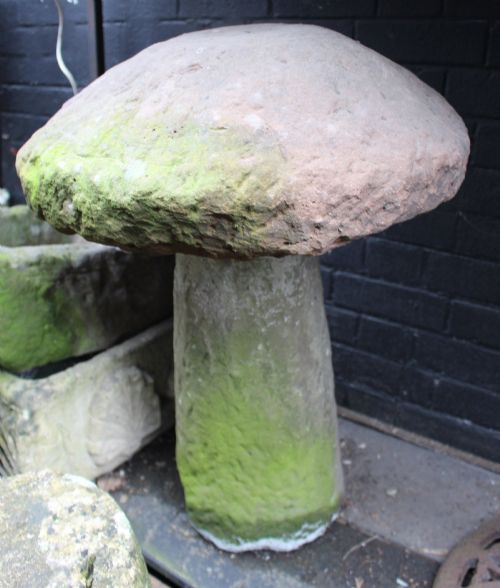
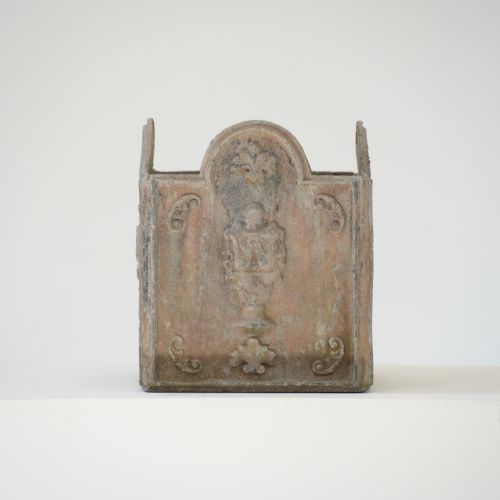
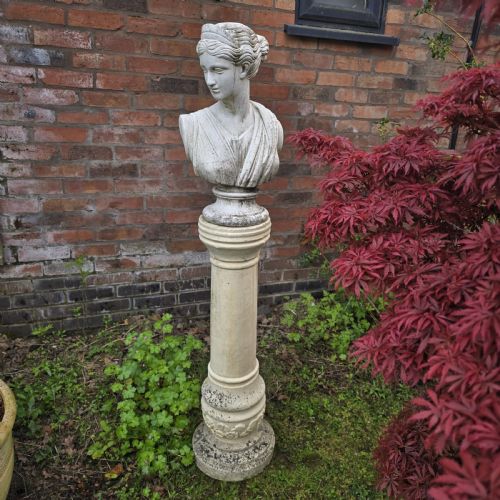
When searching for a weathered grey garden ornament, you encounter pieces designed to anchor outdoor spaces through classical form and aged surfaces. These objects range from architectural salvage and staddle stones to figurative statues and bird baths, drawing on centuries of traditional design.
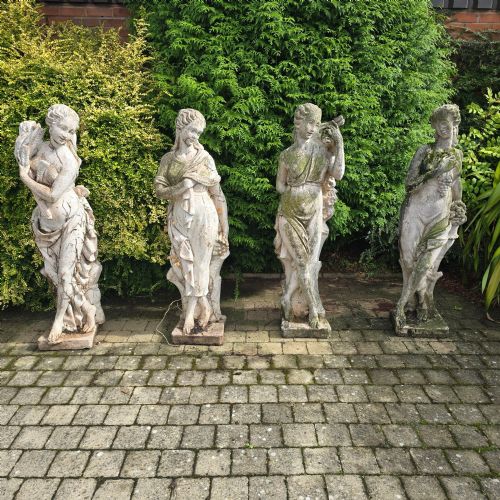
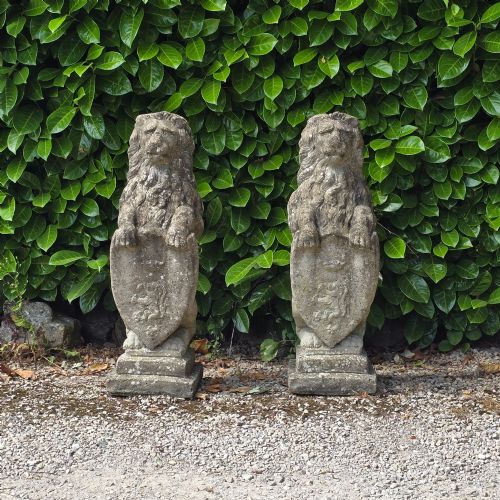
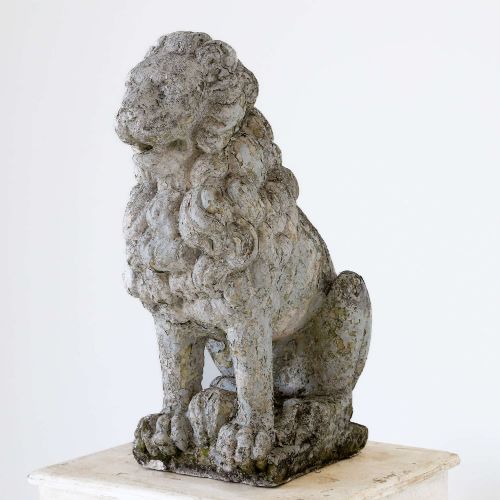
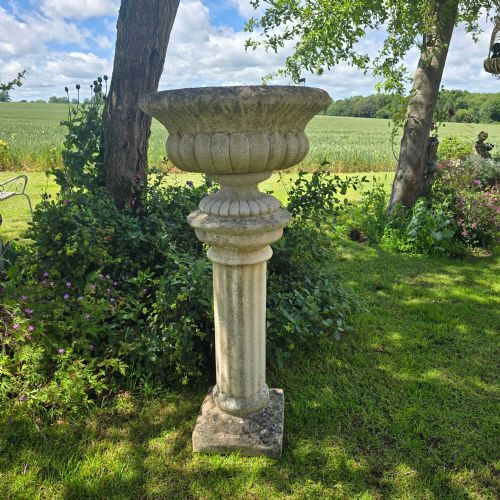
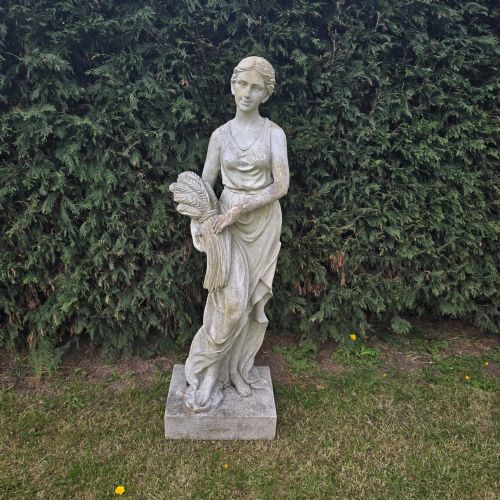
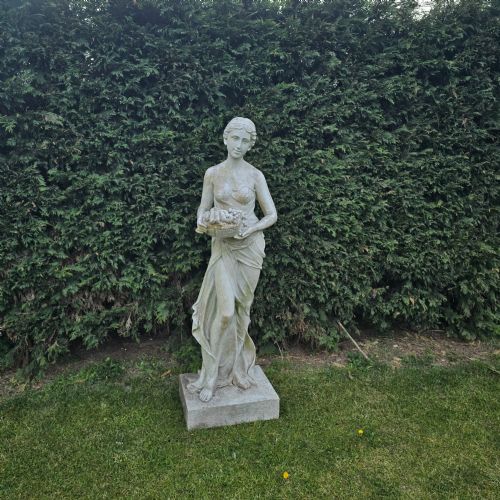
The selections on this page lean heavily towards mid-century interpretations alongside pieces from the nineteenth and eighteenth centuries. Forms include campana urns, classical figures representing the seasons, and pairs of stone lions that once guarded country house grounds.
How they were made
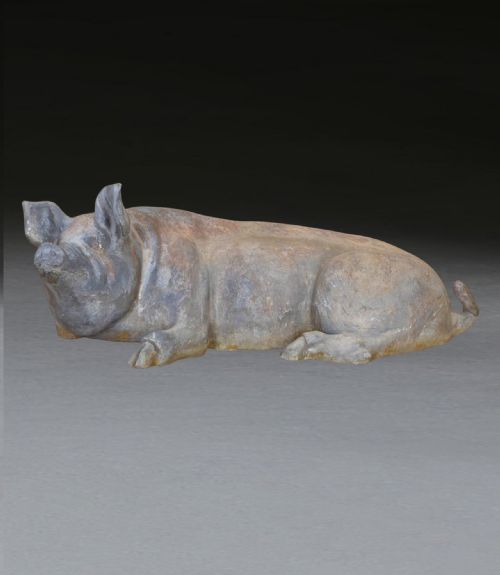
The pieces recorded here rely primarily on cast stone, reconstituted stone, and natural sandstone or limestone, often shaped through traditional moulding or carving techniques. Lead also appears frequently, offering a malleable medium for figures and planters that accept patination over decades.
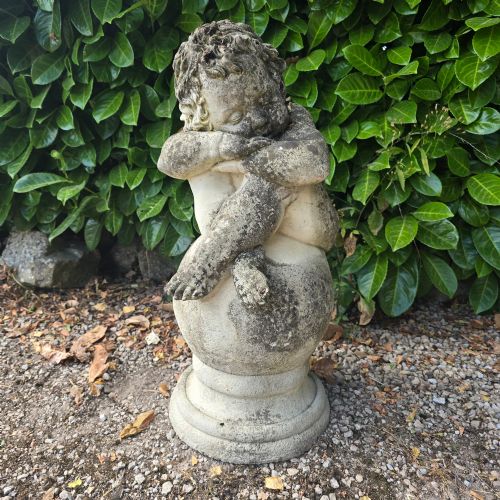
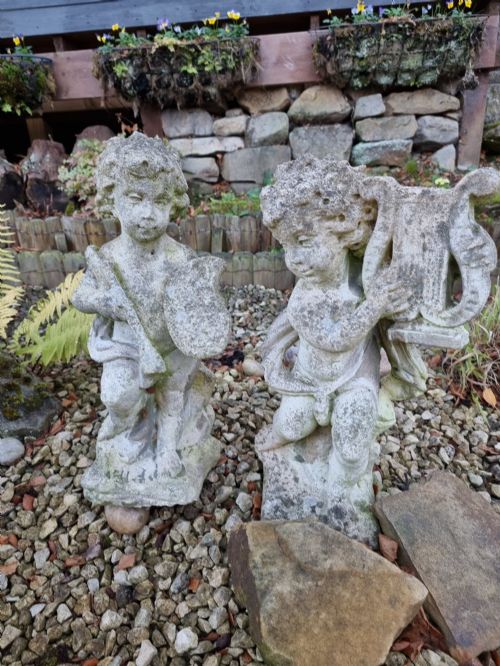
Surface texture is typically achieved through natural weathering or original paint layers interacting with moisture and age. Over time, moss and lichen accumulate on the stone and concrete substrates, creating the distinct grey tones characteristic of these outdoor objects.
Materials recorded across these listings include reconstituted stone, lead, sandstone, limestone, and cast concrete.
What varies in quality
The authenticity of the surface patina marks another distinction between ordinary items and superior pieces. Natural weathering built up over generations holds greater visual depth than artificial surface treatments applied to simulate age.
The Weathered Grey Garden Ornament Glossary
- Staddle stone
- A mushroom-shaped stone support originally used to elevate granaries above damp ground and deter vermin. These now serve as sculptural garden ornaments.
- Campana urn
- A bell-shaped garden vessel with a flared rim and footed base, frequently cast in stone or iron. They derive from classical antiquity and suit formal garden settings.
- Reconstituted stone
- A composite material made from crushed stone or aggregate mixed with cement and water, then cast in moulds. It provides a durable alternative to quarried stone.
- Architectural salvage
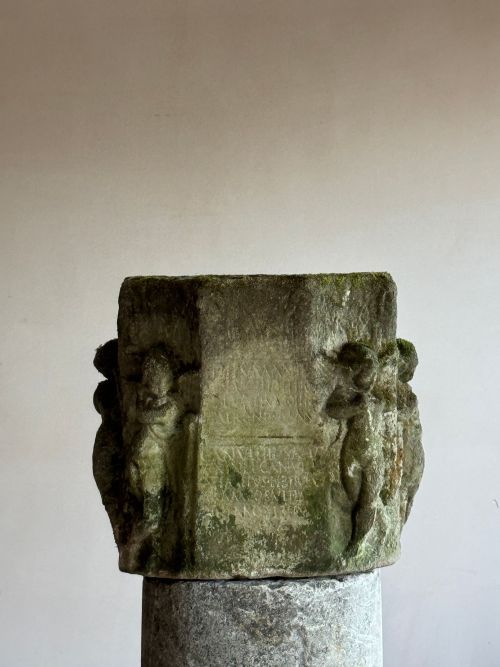
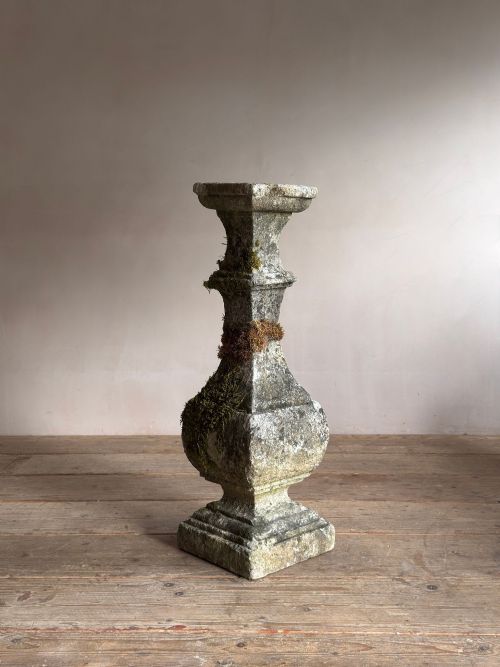
- Building elements and decorative fragments rescued from older structures for reuse in gardens or interiors. Examples include columns, plinths, and carved stone baskets.
Weathered Grey Garden Ornament: Frequently Asked Questions
What is a staddle stone?
A staddle stone is an agricultural support formed of a mushroom-shaped cap and a separate base. They were historically placed beneath timber granaries to keep grain stores dry and safe from rodents.
In contemporary gardens, they function as sculptural objects or focal points on lawns. Their simple, utilitarian origins give them a distinct rustic presence outdoors.
How do I clean a stone ornament?
Stone garden ornaments typically require little more than gentle brushing to remove loose debris and dirt. Allowing moss and lichen to remain is often preferred because it enhances the aged grey surface.
Aggressive cleaning methods or harsh chemicals can strip away the desirable patination accumulated over decades. Preserving the natural weathering maintains the historical character of the piece.
Where should I place a garden urn?
Garden urns look best positioned on sturdy pedestals, stone plinths, or at the termination of garden pathways. Raising them off the ground improves their visual proportions and protects them from prolonged dampness.
They can be planted with trailing foliage or left empty to highlight their classical form. Placing them near evergreen planting creates a striking contrast with grey stone.
How do I date an old statue?
Dating stone and lead garden ornaments involves examining the style of the carving, the casting technique, and the composition of the material. Georgian and eighteenth-century pieces often display hand-carved details in sandstone or limestone, while later examples frequently utilise cast or reconstituted stone.
Surface wear, lichen growth, and original paint remnants also offer clues to age. Comparing the sculptural style to known architectural periods helps narrow down the decade or century of production.