




Warm Wood Display Cabinet
A warm wood display cabinet brings character to a room while keeping treasured collections visible and protected.
Warm Wood Display Cabinet
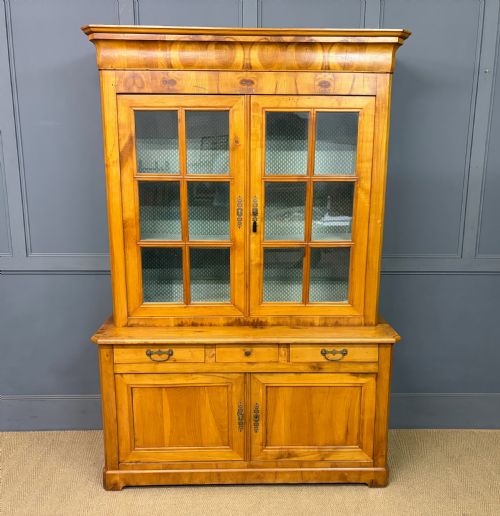
A warm wood display cabinet encompasses various forms designed to showcase and store objects, predominantly appearing as glazed cabinets, bookcases, dressers, and cupboards. Buyers search for these pieces to introduce rich timber tones and practical storage into interiors.
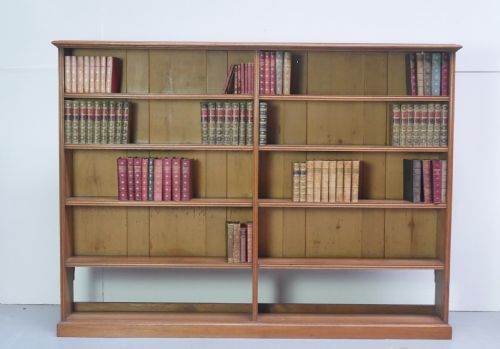
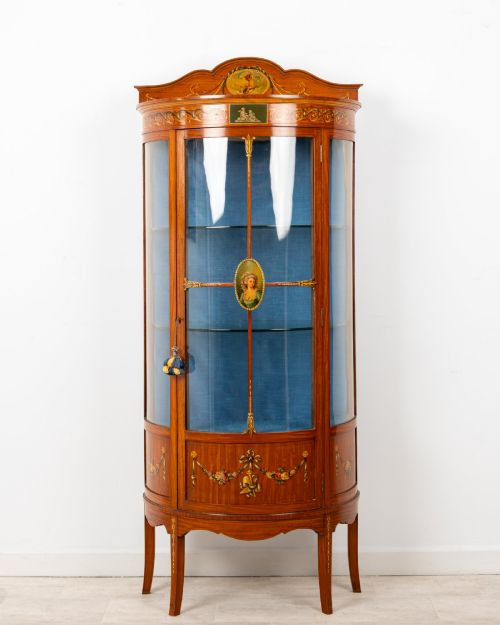
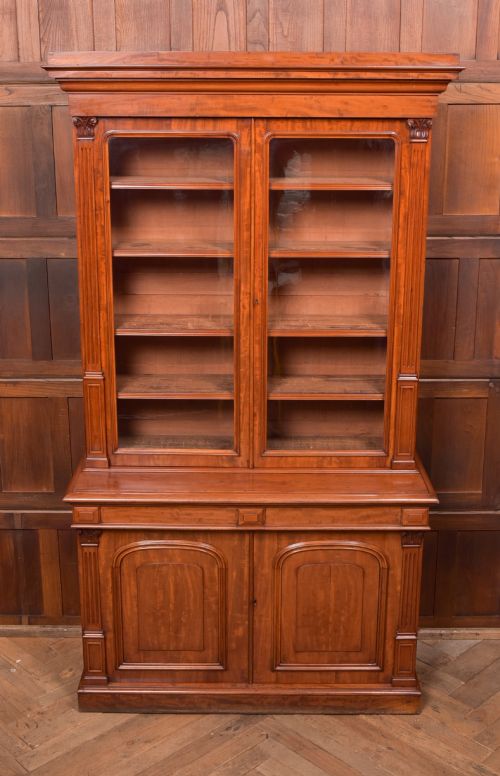
The selections span multiple eras, including the eighteenth century, Victorian period, and Edwardian epoch, alongside later twentieth-century examples. Forms range from tall open bookcases and two-part library units to bowed vitrines and Dutch marquetry cupboards.
The evidence shows diverse stylistic influences, touching upon Louis XVI Revival, Jacobean Revival, Gothic Revival, French Provincial, and Dutch Baroque alongside Mid-Century Modern. Oak, mahogany, walnut, cherrywood, and satinwood dominate the material palette.
How they were made
Construction relies on solid timbers and veneered surfaces applied to foundational woods like pine, oak, and mahogany. Cabinet makers utilised traditional joinery methods to build structural carcases capable of supporting heavy glazed doors and shelving.
Decorative techniques recorded in the evidence include fine marquetry, satinwood painting, and intricate wood inlay. Brass hardware secures doors and drawers, while glazed panels allow light to enter the interior display spaces.
Warm Wood Display Cabinet Retail Price Guide 2026
Typical asking prices for warm wood display cabinet among the pieces listed under this phrase on Sellingantiques today, from the lower quarter to the upper quarter. They describe what is for sale here now, not the wider market.
An extraordinary polished wood apothecary's display box from 1890 sits among the grand bookcases and dressers, offering miniature storage.
What varies in quality
Quality differences emerge in the selection and application of timber veneers, where finely figured grain patterns and careful matching elevate a piece. The sophistication of decorative embellishments, such as hand-painted satinwood details or complex marquetry, marks the distinction between standard and finer examples.
Structural refinement also defines the range, seen in the proportion of breakfront forms, the clarity of glazed panels, and the integration of specialised hardware like brass mounts. The fidelity to historical revival styles further separates workshop output.
The Warm Wood Display Cabinet Glossary
- Vitrine
- A glass-fronted cabinet designed specifically for displaying fine objects or porcelain. These pieces often feature glazed sides as well as doors to maximise visibility.
- Marquetry
- The art of applying pieces of veneer to a structure to form decorative patterns and pictures. Craftsmen use various coloured woods to achieve detailed pictorial designs.
- Breakfront
- A piece of furniture whose front projects forward in sections, typically with a central section advancing beyond the flanking wings. This architectural arrangement creates depth and shadow.
- Glazed Top
- An upper cabinet section fitted with glass panes to enclose shelves while permitting a clear view of the contents. It is commonly found on bookcases and library units.
- Bow Front
- A convex, outwardly curved front elevation typical of certain Edwardian and Georgian cabinets. This shaping softens the rectangular geometry of the furniture carcase.
Warm Wood Display Cabinet: Frequently Asked Questions
What is a warm wood display cabinet used for?
These cabinets serve primarily to exhibit decorative items, ceramics, and books while keeping them free from dust. The glazed doors and open shelving provide clear visibility for collections.
Beyond simple storage, they function as substantial furniture pieces that introduce traditional warmth and craftsmanship into living spaces or libraries.
How do I identify an Edwardian cabinet?
Edwardian pieces often feature lighter woods, delicate inlays, and painted satinwood decorations reflecting eighteenth-century revivals. Proportions tend to be lighter and more refined than earlier Victorian furniture.
Looking at the interior construction and secondary timbers helps confirm the era of manufacture alongside characteristic design motifs.
How do I care for antique wood furniture?
Maintain stable humidity and temperature levels to prevent the timber and veneers from splitting or warping. Keep pieces away from direct sunlight and heat sources to preserve the finish.
Regular, gentle dusting with a soft cloth protects the polished surface without the need for heavy chemical polishes.