



Warm Brown Tier Table
A warm brown tier table brings rich timber tones and stacked surfaces to a room, offering practical display space with distinct period character.
Warm Brown Tier Table
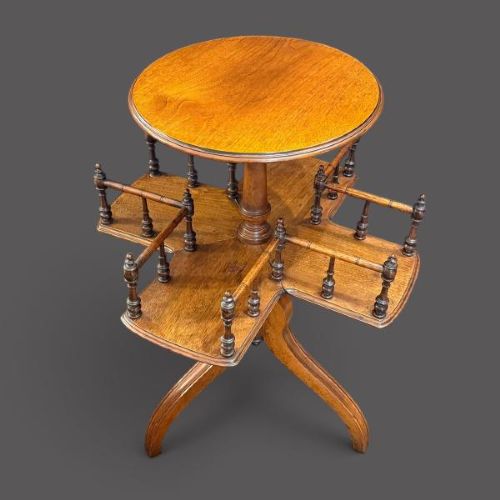
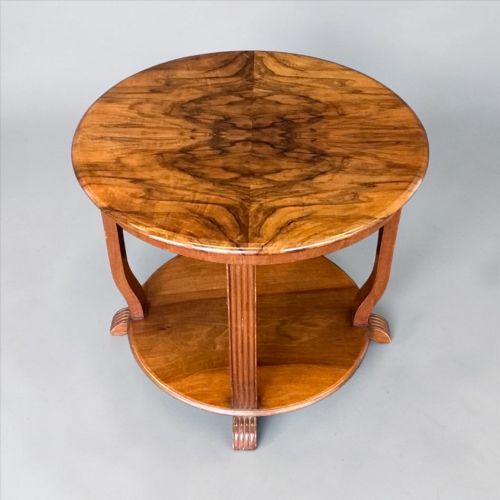
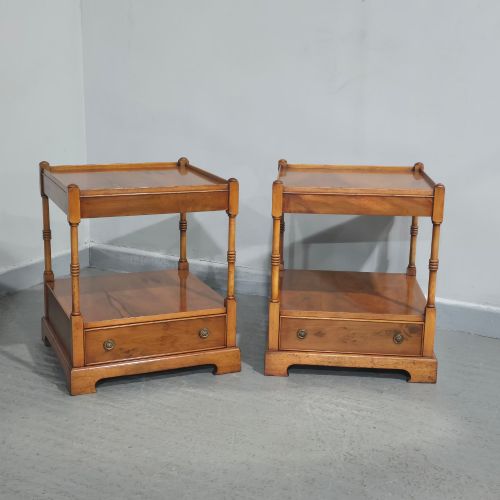
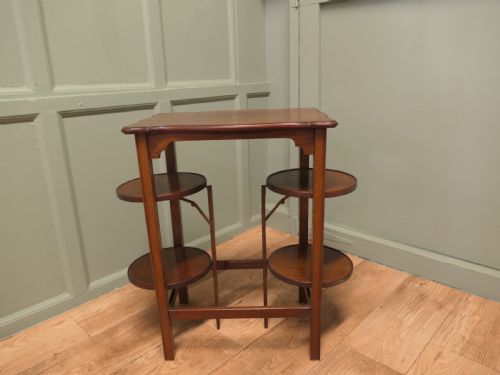
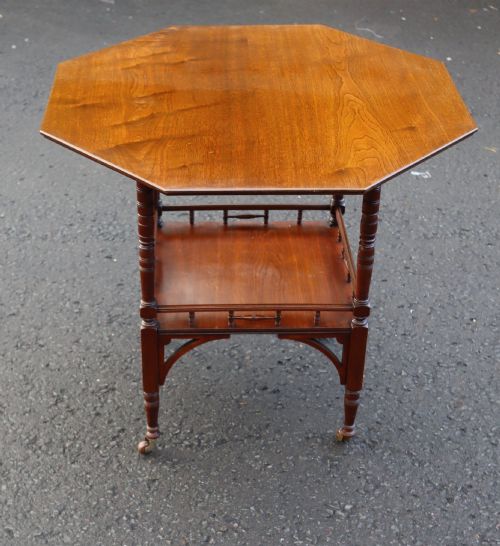
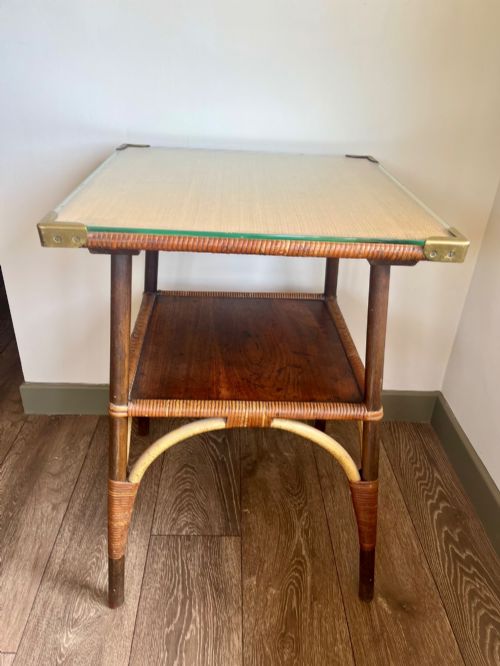
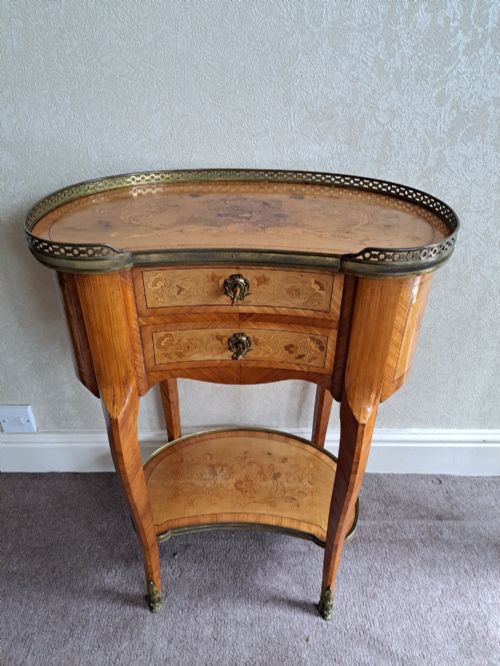
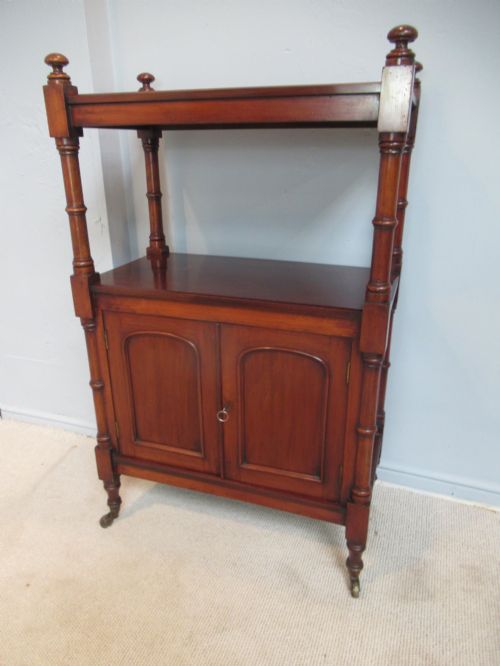
When searching for a warm brown tier table, buyers encounter multi-level furniture designed for practical service and display across several historical periods. The listings here span diverse forms, including dumb waiters, occasional tables, and étagères made in rich timbers.
The most common interpretations of a warm brown tier table on this page date from the nineteenth and early twentieth centuries, drawing on Victorian, Edwardian, and Regency traditions. These pieces utilise woods such as mahogany, walnut, and oak to create functional stacked surfaces.
How they were made
Makers constructed these multi-level pieces using dense hardwoods like mahogany, walnut, and oak, often selected for deep natural grain patterns and warm brown tones. Surfaces frequently incorporate brass hardware or subtle inlay work to define the edges of each tier.
Joinery techniques varied from traditional cabinetmaking methods used on Regency dumb waiters to the simpler pegged construction seen in Arts and Crafts oak tables. Timber selection focused on durability and visual warmth across the multiple stacked platforms.
Warm Brown Tier Table Retail Price Guide 2026
Typical asking prices for warm brown tier table among the pieces listed under this phrase on Sellingantiques today, from the lower quarter to the upper quarter. They describe what is for sale here now, not the wider market.
Listings feature mahogany, walnut, and oak across Victorian, Edwardian, and Art Deco periods.
What varies in quality
Quality in a tier table rests on the selection of timber and the precision of the turning on the central supports or columns. Superior examples display consistent grain alignment across multiple tiers and sturdy construction that prevents wobbling between levels.
The refinement of brass fittings, carving details, and the depth of the polish further separate standard production pieces from finer cabinetwork. Finish condition and timber selection dictate the overall visual weight of the brown surface.
Maison Giroux·Dryad Leicester·Gilbert Rohde
The Warm Brown Tier Table Glossary
- Tier table
- A piece of furniture featuring multiple stacked surfaces or shelves supported by a central column or corner uprights. These designs maximise display area within a compact footprint.
- Dumb waiter
- A multi-tiered serving table traditionally used in dining rooms for holding dishes or drinks without requiring a servant. Examples range from revolving designs to fixed stacked shelves.
- Étagère
- A set of open shelves for displaying small objects, often taking the form of a freestanding multi-tiered table. The style gained popularity during the nineteenth century.
- Occasional table
- A small, versatile table intended for use as needed in a living space or bedroom. These pieces often feature a secondary lower tier for storage.
- Mahogany
- A durable tropical hardwood prized for its deep reddish-brown colour and stable grain. It served as the primary material for high-end cabinetmaking throughout the Georgian and Victorian eras.
Warm Brown Tier Table: Frequently Asked Questions
How were tier tables used?
Tier tables provided extra surface area for serving food, holding books, or displaying decorative objects in period homes. Multiple levels allowed items to be organised efficiently without taking up additional floor space.
In dining rooms, versions with revolving tiers served meals, while smaller occasional versions sat beside seating in drawing rooms for lamps and tea.
What woods are common?
Mahogany, walnut, and oak form the primary timber choices found across these multi-level tables. These woods provided the structural strength needed to support stacked shelves while offering rich brown tones.
Finer examples also incorporate decorative veneers such as satinwood or kingwood on the upper surfaces to create contrast.
How do I date a tier table?
Dating relies on observing the turning style of central columns, the method of joinery, and the wood species used in construction. Regency and Victorian examples typically feature heavy turned pillars and dense mahogany.
Later pieces from the Arts and Crafts movement or the nineteen-thirties display simpler geometric lines, lighter oak construction, or distinct coffee table proportions.
Are these tables sturdy?
Solid hardwood construction ensures that most tier tables remain stable under normal use for books or decorative items. The central support column and the fixing points beneath each shelf determine overall rigidity.
Revolving mechanisms and multi-tiered joints require secure fitting to prevent movement between the stacked surfaces during everyday handling.